Granite Urns vs. Marble Urns: Which Is Better?
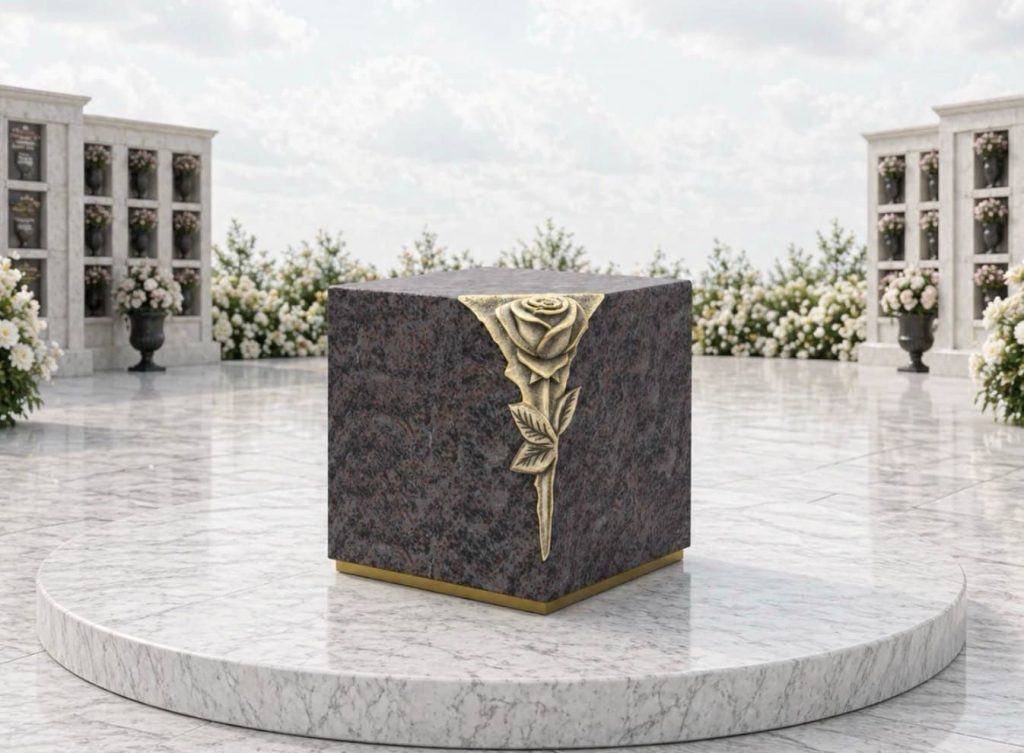
Memorializing a cherished loved one involves deeply personal decisions that carry immense emotional weight. Selecting the right cremation vessel is a lasting, physical testament to a life well-lived, serving as a focal point for grief, remembrance, and enduring love. Natural stone has remained historically prominent in memorialization due to its profound beauty, inherent dignity, and connection to the earth. Families navigating this process often find themselves contemplating between two of the most revered and popular materials: granite and marble. Both of these majestic stones offer highly distinct characteristics, structural properties, and practical considerations that must be carefully weighed. Understanding all their nuances is essential for making an informed, clear, and comforting decision during a difficult time. The perfect urn is not simply a mere container; it is a respectful tribute echoing a unique personal legacy. As experts at Memoria Columbaria deeply understand, choosing the correct material ensures the memorial remains beautiful and structurally sound for generations to come. This comprehensive guide explores the fascinating intricacies of granite and marble urns, evaluating their geological origins, strengths, vulnerabilities, and ideal applications to help you determine which is ultimately better for your specific memorialization needs.
Understanding Granite Urns: The Pillar of Strength
Granite is a coarse-grained igneous rock formed from the incredibly slow crystallization of magma deep below the Earth’s surface. This gradual cooling process, which takes place over millions of years under extreme geological pressure, results in a highly dense, exceptionally hard, and remarkably resilient natural material. Composed primarily of quartz, feldspar, and mica, granite features a distinctive granular appearance that gives it a unique, speckled beauty alongside its profound structural strength. Throughout history, it has been used to build monuments designed to withstand the test of time.
Unmatched Durability and Maintenance
The primary hallmark of a granite urn is its virtually indestructible nature. Ranking exceptionally high on the Mohs scale of mineral hardness, granite is highly resistant to scratching, chipping, cracking, and general weathering. For families intending to place the urn outdoors—whether buried in a traditional cemetery plot, placed in a dedicated memorial garden, or resting in an exposed outdoor columbarium niche—granite is overwhelmingly the superior choice. It can effortlessly withstand severe temperature fluctuations, freezing rain, intense ultraviolet radiation from the sun, and strong winds without losing its structural integrity or its polished finish. Furthermore, when properly polished, granite becomes non-porous, meaning it completely resists moisture absorption and the subsequent risk of fracturing during freeze-thaw cycles. Maintenance is incredibly minimal; simply wiping the surface with a soft, damp cloth is usually enough to keep it looking pristine for decades.
Aesthetic Appeal and Customization
While often chosen for its monumental durability, granite also offers a striking visual appeal. It is available in a surprisingly diverse array of natural colors, ranging from absolute, deep black and varying shades of storm gray to vibrant reds, deep oceanic blues, and elegant forest greens. The natural mineral deposits and flecks within the stone catch the light, providing beautiful depth and character. Because of its extreme hardness, granite can also hold highly intricate engravings. Artisans can laser-etch detailed portraits, complex typography, and elaborate symbolic artwork into the stone with remarkable crispness that will never blur or fade over time.
Exploring Marble Urns: The Canvas of Elegance
Marble, in stark contrast to granite, is a metamorphic rock. It originates as a sedimentary rock, primarily limestone or dolomite, which is then subjected to immense heat and pressure within the Earth’s crust. This intense transformative process causes the original minerals to recrystallize, resulting in the intertwining veining and smooth, luxurious texture that has made marble a preferred medium for master sculptors and architects throughout human history, from ancient Greece to the Renaissance.
Unparalleled Classic Beauty
The aesthetic allure of marble is undeniably its greatest and most captivating asset. It exudes a soft, luminous, and almost translucent quality that granite simply cannot replicate. The characteristic veining—created by various mineral impurities such as clay, silt, sand, or iron oxides present during the metamorphic process—ensures that no two marble urns are ever exactly alike. Each individual piece is a distinctly unique, naturally occurring work of art. Marble is heavily associated with classical antiquity, high art, and profound elegance, typically coming in soft, soothing hues like pristine whites, gentle creams, subtle pinks, and light grays. For indoor displays, marble imparts an unparalleled sense of peace, warmth, and refined grace.
Care and Placement Vulnerabilities
While its classical beauty is unmatched, marble requires a much more delicate touch. It is a significantly softer and more porous material than granite. Because of its calcium carbonate composition, marble is highly susceptible to staining from liquids and can be easily etched by acidic substances, including the natural oils from human hands or common environmental pollutants. If placed outdoors without substantial, ongoing protection, marble will gradually weather and degrade. Acid rain can slowly wear away its beautifully polished finish, leading to a dull, “sugared” appearance over time. Therefore, marble urns are strongly recommended primarily for indoor use. Cleaning requires specialized, pH-neutral stone cleaners, as standard household chemicals can cause irreversible damage to the surface.
Key Differences: A Comparative Overview
For a quick, easy-to-read summary of how these two premium materials compare across the most critical decision-making factors, please refer to the thematic table below.
| Feature | Granite Urns | Marble Urns |
| Geological Formation | Igneous rock (slow magma cooling) | Metamorphic rock (heated limestone) |
| Hardness & Durability | Exceptionally high; highly scratch-resistant | Moderate to low; softer, susceptible to scratches |
| Visual Characteristics | Granular, speckled, high-gloss polish | Smooth, flowing veins, soft luminous finish |
| Ideal Placement | Indoors or completely exposed outdoors | Strictly indoors or highly protected outdoors |
| Maintenance Required | Very low; a simple damp cloth suffices | High; requires specialized pH-neutral cleaners |
| Engraving Capabilities | Excellent for detailed text and photographs | Good for text, but deep carving can be delicate |
Evaluating the Advantages and Disadvantages
To further clarify the fundamental distinctions between these two premium materials, let us weigh their respective pros and cons directly.
Pros and Cons of Granite Urns
- Extreme Durability: Highly resistant to environmental damage, severe weather conditions, accidental scratches, and chips.
- Minimal Upkeep: Requires virtually no ongoing maintenance and easily retains its high-gloss, mirror-like polish for decades.
- Outdoor Suitability: The absolute ideal choice for outdoor burial, placement in a garden, or exposed columbarium niches.
- Engraving Precision: Holds incredibly detailed, laser-etched inscriptions and high-resolution photographs perfectly.
- Heavy Weight: Granite is an incredibly dense and heavy material, making transportation and handling somewhat more challenging.
- Aesthetic Rigidity: While undeniably beautiful, it generally lacks the soft, flowing veining found in metamorphic rocks.
Pros and Cons of Marble Urns
- Supreme Aesthetics: Offers unparalleled elegance, classical beauty, and a soft, luminous, artistic coloration that brings warmth to a room.
- Unique Veining: Every single urn is distinctly unique due to the unpredictable, organic natural metamorphic patterns within the stone.
- Artistic Heritage: Carries a profound historical weight associated with fine art, monumental classical sculpture, and architectural prestige.
- High Maintenance: Requires careful handling, specific cleaning agents, and strict protection from common acidic elements to prevent etching.
- Surface Porosity: Highly vulnerable to staining and moisture absorption if not properly sealed, handled, and cared for over time.
- Outdoor Vulnerability: Strictly not recommended for exposed outdoor placement due to severe, unavoidable weathering and degradation risks.
Choosing the Right Material for Your Needs
The question of whether granite or marble is definitively “better” does not have a single, universal answer. Instead, the superiority of one material over the other is entirely dependent on your specific circumstances, placement intentions, and personal aesthetic preferences. If your primary goal is to find a vessel that will endure the harsh elements in a cemetery or outdoor memorial space with absolutely zero degradation, granite is undeniably the better choice. Its stoic strength provides immense psychological comfort, knowing the memorial will stand unyielding against time, weather, and the elements. Conversely, if the urn is destined to rest peacefully on a mantle piece, inside a beautiful glass display cabinet, or in a highly protected indoor columbarium, and you prioritize classical elegance and unique artistic beauty above all else, marble becomes the superior option. The soft, classical nature of marble provides a highly comforting presence in a domestic setting.
Ultimately, your final selection should be carefully guided by the environment where the urn will permanently reside and the specific visual legacy you wish to create for your loved one. Both of these incredible materials offer a sense of permanence, weight, and dignity that synthetic, mass-produced materials simply cannot match. They anchor our memories in the steadfast reality of natural stone, offering a tangible, beautiful connection to the earth itself. When making this profound and difficult choice, consider consulting with dedicated professionals who intimately understand the subtle intricacies of natural memorial products. The compassionate team at Memoria Columbaria provides invaluable guidance, ensuring that whether you choose the unyielding, everlasting strength of a granite urn or the timeless, elegant grace of a marble urn, your final tribute will be a perfect, enduring reflection of a cherished life.