How Understaffing In Skilled Nursing Facilities Leads To Preventable Injuries
Key Takeaways:
- Understaffing in skilled nursing facilities significantly increases the risk of preventable injuries among residents.
- Common injuries resulting from inadequate staffing include falls, pressure ulcers, and medication errors.
- Implementing adequate staffing levels and comprehensive staff training can mitigate these risks and enhance resident safety.
The Impact of Understaffing on Resident Safety
Skilled nursing facilities are entrusted with the care and protection of elderly individuals and those with chronic medical conditions. However, when these facilities are understaffed, the consequences can be severe. Residents may not receive timely assistance, leading to a substantial rise in avoidable injuries. Data and expert analyses consistently show that facilities with staffing shortages experience higher rates of adverse incidents, underscoring the critical role of adequate staffing in protecting vulnerable individuals. If serious injuries occur due to negligent care, families often turn to experienced legal professionals, such as skilled nursing facility abuse lawyers or a nursing home injury attorney Georgia, to help advocate for their loved ones.
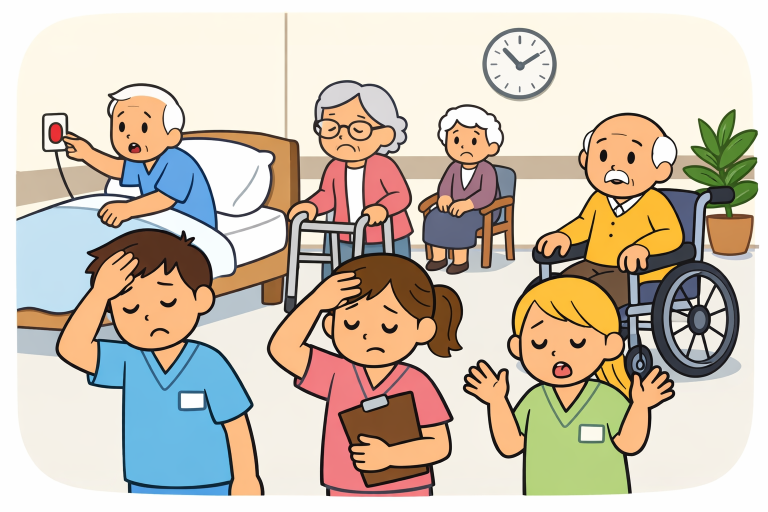
When there are not enough nurses or aides to supervise and assist residents, many individuals may be left unattended for extended periods. This increases their vulnerability to falls, pressure ulcers, and medication mistakes. The lack of supervision directly contributes to a decline in care quality and raises the likelihood of serious but preventable health complications.
Understaffed environments can also create ongoing stress for caregivers. Overworked staff may experience fatigue, reduced focus, and difficulty identifying early warning signs of medical distress. This can lead to missed care steps or treatment errors, further increasing residents’ risks.
Inadequate staffing affects more than just physical health outcomes. It can also negatively impact the emotional well-being of both residents and staff while reducing trust between families and care providers. These combined effects show why understaffing remains a major concern in long-term care settings.
Common Injuries Resulting from Inadequate Staffing
Falls: Delayed responses to call lights and limited supervision may cause residents to attempt movement without assistance. This increases the likelihood of falls, which can lead to fractures, loss of mobility, and serious complications.
Pressure Ulcers: Regular repositioning is essential to prevent pressure ulcers. When staffing is insufficient, repositioning schedules are often missed, leading to painful wounds that may become infected and result in severe health issues.
Medication Errors: Proper medication administration requires attention and consistency. Overburdened staff may skip doses, administer incorrect medications, or make timing errors, all of which can worsen existing medical conditions.
Each of these injuries is closely tied to insufficient staffing levels, underscoring the importance of maintaining adequate personnel at all times.
Legal and Regulatory Standards
Skilled nursing facilities are subject to staffing regulations designed to ensure resident safety. These rules establish minimum requirements for nursing staff and aides per shift. When facilities fail to meet these standards, residents face increased risk of harm, and the facility may be subject to penalties or regulatory action.
Federal oversight also plays a role in monitoring compliance with staffing guidelines. However, even with regulations in place, some facilities continue to struggle due to financial limitations and workforce shortages. Research from major healthcare policy organizations highlights ongoing challenges in maintaining adequate staffing levels across the long-term care system.
When facilities are cited for understaffing, there is often a corresponding increase in resident complaints and documented injuries, reinforcing the strong connection between staffing and quality of care.
Strategies to Mitigate Understaffing Risks
Enhanced Recruitment and Retention:Competitive wages, benefits, and supportive workplace environments can help attract and retain qualified staff, reducing turnover and stabilizing care teams.
Comprehensive Training Programs:Ongoing education ensures staff are prepared to meet complex resident needs. Proper training improves the accuracy of care delivery and reduces preventable errors.
Use of Technology: Digital health records and monitoring systems can streamline administrative tasks, allowing caregivers to focus more on direct patient care.
These strategies not only support compliance but also improve residents’ safety and quality of life.
Community Involvement and Advocacy
Families and community members play an important role in holding care facilities accountable. Regular visits, active communication with staff, and participation in care planning meetings can help identify early warning signs of inadequate staffing or declining care quality.
When families stay engaged, they can advocate more effectively for improvements and ensure that concerns are addressed promptly. Combined with regulatory oversight, this engagement helps foster safer, more transparent care environments.
Frequently Asked Questions (FAQ)
What are the signs of understaffing in a nursing facility?
- Common signs include delayed responses to call lights, unclean or unkempt residents, rushed caregiver interactions, and an increase in preventable injuries or infections.
How can families ensure loved ones receive adequate care?
- Regular visits, reviewing care records, monitoring changes in condition, and maintaining open communication with staff can help ensure proper care is being provided.
What actions can be taken if a facility is understaffed?
- Concerns should be reported to the appropriate state or federal oversight agency, which has the authority to investigate and enforce compliance with staffing regulations.
Final Thoughts
Adequate staffing is the foundation of safe and effective care in skilled nursing facilities. When staffing levels fall short, residents face a significantly higher risk of injury, neglect, and medical complications. Understanding these risks allows families to make informed decisions and take action when necessary. Through continued awareness, advocacy, and accountability, care standards can improve, helping ensure that residents receive the attention and dignity they deserve.


