4 Common Treatments For Gum Disease Explained In Plain Language

You might be feeling a little worried right now. Maybe your gums bleed when you brush, your breath is not as fresh as it used to be, or a dentist or a Minneapolis periodontist has just mentioned the words “periodontal disease,” and your mind went straight to worst-case scenarios. It is a lot to take in, and it is normal to feel uneasy or even a bit ashamed.
Here is the truth. Gum disease is extremely common; it often creeps up slowly, and many people do not notice it until a professional points it out. The good news is that there are clear, proven treatments that can protect your smile and your health. This guide walks through 4 common treatments for gum disease, from the mild early stage to more advanced problems, so you understand what is happening and what your options are.
In short, mild gum disease can often be reversed with better home care and a professional cleaning. More advanced gum disease is usually managed with a deep cleaning called scaling and root planing, sometimes with antibiotics, and in severe cases with gum or bone surgery and dental implants. You do not have to remember all the terms right now. You only need to know that there is a path forward and you do not have to walk it alone.
What exactly is gum disease, and why does it feel so overwhelming?
Gum disease starts quietly. Plaque, which is a sticky film of bacteria, builds up on your teeth. If it is not cleaned away well, it hardens into tartar and irritates your gums. According to the Centers for Disease Control and Prevention, nearly half of adults over 30 have some form of periodontal disease, which shows how common this really is. You can read more about that on the CDC’s gum disease overview.
Early on, this irritation is called gingivitis. Your gums may look red and puffy, and they might bleed when you brush or floss. At this stage the bone that supports your teeth is usually still healthy, which means the condition is often reversible. If it is not treated, the infection can move deeper under the gum line. That is when it becomes periodontitis, which can damage the bone and lead to loose teeth or even tooth loss.
The emotional side can be just as hard. You might be thinking about the cost of treatment, worrying whether you waited too long, or feeling embarrassed about the state of your mouth. You might even avoid smiling or getting close to people because of bad breath. Because of this tension, you might wonder where to even begin and which treatment is right for you.
To make decisions calmly, it helps to understand what each common treatment actually does and when it is usually recommended.
How are 4 common gum disease treatments different and when are they used?
Gum disease treatment is not one size fits all. It depends on how advanced the problem is, how your body responds, and what your goals are. Here are four of the most common approaches, from least to most involved.
1. Professional cleaning and improved home care for early gingivitis
For many people, the first step in treating mild gum disease is a professional dental cleaning combined with better daily habits at home. A hygienist removes the plaque and tartar that regular brushing and flossing cannot reach, especially around the gum line. Then you keep that progress going with careful brushing twice a day, flossing once a day, and sometimes using an antibacterial mouthwash.
The National Institute of Dental and Craniofacial Research explains that gingivitis can often be reversed with this kind of care, which is reassuring if you are catching things early. You can explore their explanation of gum disease stages on the NIDCR gum disease resource.
Imagine someone who notices a little bleeding when they floss for the first time in years. Their dentist finds mild inflammation but no bone loss. A thorough cleaning and a few weeks of better home care can often calm the gums and restore health without more aggressive treatment.
2. Scaling and root planing for early to moderate periodontitis
When gum disease has moved beyond simple gingivitis, a regular cleaning is usually not enough. A deeper cleaning called scaling and root planing is often recommended. This is one of the most common treatments for gum disease, and you may hear it described as a “deep cleaning.”
Scaling removes plaque and tartar from below the gum line, where a regular cleaning cannot reach. Root planing then smooths the root surfaces of the teeth, so bacteria have a harder time sticking there. This helps the gums reattach more snugly to the teeth and can reduce pocket depths, which are the spaces that form between teeth and gums when disease progresses.
People often worry that this treatment will be painful. In reality, numbing is usually used, and most people describe it as uncomfortable rather than unbearable. Some tenderness is common afterward, but it generally fades in a few days. The goal is to stop the infection, protect the bone, and give your gums a chance to heal.
3. Antibiotic therapy and maintenance care
Sometimes deep cleaning is paired with antibiotics to reduce the bacteria causing the infection. These antibiotics can be used in a few ways. They might be placed directly into the gum pockets as a gel or tiny chip, or they might be prescribed as pills if the infection is more widespread.
This does not replace good cleaning. It supports it. Think of antibiotics as backup for your body while the mechanical cleaning removes the main source of the problem. After the initial treatment, regular maintenance visits are critical. These visits are usually more frequent than standard checkups and help keep the disease under control so it does not flare again.
4. Surgical treatment, gum grafting, and dental implants for advanced disease
In advanced periodontitis, the bone that supports your teeth can be destroyed. Pockets become very deep, teeth may loosen, and simple cleaning is no longer enough. At this stage, a Periodontist And Implant Dentist often becomes part of your care team.
Surgical options can include:
- Flap surgery. The gum is gently lifted so the roots and deep tartar deposits can be cleaned thoroughly. The gum is then repositioned to reduce pocket depth.
- Bone or tissue grafts. If bone or gum tissue has been lost, grafting procedures may be used to rebuild support around the teeth.
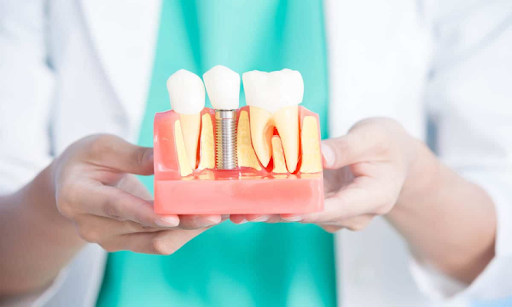
- Dental implants. If teeth are lost or must be removed, implants can replace them. This helps restore function and appearance and can protect remaining bone.
The idea of surgery can feel intimidating, yet for many people it brings real relief. Pain from infection can ease, chewing becomes more comfortable, and confidence can return. For more details on professional treatment options, the Mayo Clinic’s gingivitis treatment page offers a clear, patient-friendly overview.
So, where does that leave you when you are trying to choose the right path, especially if you are worried about cost, time, or results?
How do these gum disease treatments compare in reality?
It can help to see the differences in a simple side-by-side view. This is not a diagnosis. It is a guide so you can ask better questions during your visit.
| Treatment type | Typical use | What it does | Healing / follow up | Common concern |
|---|---|---|---|---|
| Regular cleaning & home care | Mild gingivitis | Removes plaque and tartar above the gum line and supports gum health | Little to no downtime. Continue strong brushing and flossing | “Is this enough to stop the bleeding?” |
| Scaling & root planing | Early to moderate periodontitis | Deep cleans below the gum line and smooths roots to help gums reattach | Soreness for a few days. Follow-up visits to measure pocket depths | “Will it hurt and will I need it again?” |
| Antibiotic support | Moderate to advanced disease or infection flare-ups | Reduces bacterial load in pockets or throughout the mouth | Depends on method. Often used together with deep cleaning | “Are antibiotics safe for me?” |
| Gum surgery / grafting / implants | Advanced periodontitis or tooth loss | Repairs or reshapes gums and bone. Replaces missing teeth when needed | Healing can take weeks to months. Careful follow-up with the specialist | “How much will this cost, and is it worth it?” |
Seeing the options laid out can reduce some of the fear. You can start to move from “I have no idea what this means” to “I see where I might fit and what questions to ask.” Understanding these 4 common treatments for gum disease is the first step toward taking control again.
What can you do right now to protect your gums and your future smile?
You do not have to fix everything overnight. A few focused steps can make a real difference, even before you sit in a dental chair.
1. Strengthen your daily routine starting today
Gum treatment in a dental office works best when it has support at home. Focus on three simple habits.
- Brush gently for two full minutes, twice a day, with a soft toothbrush and fluoride toothpaste.
- Floss once a day, even if your gums bleed a little at first. Bleeding is often a sign they need more attention, not less.
- Consider an antibacterial mouthwash if your dentist recommends it, especially if you are prone to plaque buildup.
Even if treatment is already planned, improving your home care now can help your gums respond better and heal faster.
2. Schedule a periodontal evaluation and ask clear questions
An exam with a dentist or gum disease specialist is the only way to know how advanced your condition is. During the visit, you can make it more productive by asking questions such as:
- “What stage is my gum disease and what does that mean for my long term health?”
- “Which gum disease treatment options do you recommend for me and why?”
- “How often will I need maintenance visits to keep this under control?”
You are not being difficult by asking. You are being an informed patient, and that usually leads to better outcomes.
3. Plan for cost, comfort, and support
Worry about cost and discomfort often keeps people frozen. A practical plan can ease that. You might:
- Ask for a written treatment plan with costs broken down step by step.
- Check what your dental insurance covers for periodontal care and implants.
- Talk honestly with your dental team about pain control, from numbing to after care instructions.
- Tell a trusted family member or friend what you are going through so you have emotional support as you move forward.
When you bring these concerns into the open, your dentist or periodontist can help you find a path that fits your health, your budget, and your life.
Moving from worry to action with gum disease treatment
Gum disease can feel like it appeared overnight, yet it usually builds slowly over time. That can leave you feeling guilty or frustrated, as if you should have noticed sooner. Try to give yourself some grace. Many people are in the same situation, and modern periodontal care is designed to help you recover, not to judge you.
Whether you need a simple cleaning and better home habits, a deep cleaning, or advanced care with a Periodontist And Implant Dentist, there is a structured way forward. You do not have to understand every detail of periodontal treatment before you begin. You only need to take the next step and talk with a professional who can look at your gums, listen to your concerns, and guide you to the right plan.
Your gums support every tooth and every smile you share. Taking care of them now is not just about avoiding problems. It is about feeling comfortable when you eat, speak, and laugh with the people you care about. You deserve that, and with the right information and support, it is absolutely within reach.