Why Quick Diagnostics Matter In Veterinary Urgent Care
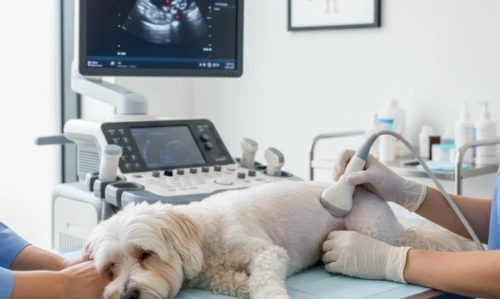
You might be reading this with your pet lying next to you, maybe still a bit wobbly after a scare, or you are replaying the moment you rushed to an urgent care clinic to see a veterinarian in Midlothian, Virginia and felt completely out of control. One minute your pet was fine, the next something was wrong, and suddenly every minute felt heavy. You were watching the clock, watching your pet, and wondering if anyone was moving fast enough.end
That tension between “I do not want to overreact” and “what if I am already too late” is exhausting. It is even harder when you do not fully understand what the clinic is doing, or why the team seems so focused on tests and machines instead of just “fixing” your pet right away. Because of this, you might wonder why quick diagnostics matter so much in veterinary urgent care, and whether they are worth the cost and worry.
The short answer is that fast, targeted testing often means the difference between guessing and truly knowing what your pet needs. It can change which treatment is used, how aggressively the team works, and even whether your pet needs to be hospitalized. When you understand how fast diagnostics guide decisions, it becomes easier to breathe, to ask better questions, and to feel more confident about the care your animal is getting.
When every minute feels long, what is really happening behind the scenes?
Picture this. Your dog suddenly collapses in the living room. You rush to Animal Urgent Care, where the team whisks your dog to the back. You hear words like “triage,” “blood pressure,” and “lactate.” Someone asks you about vomiting, toxins, or trauma. You are standing there with shaking hands, signing a consent form for “diagnostics,” and you are not even sure what you just agreed to.
The problem is that many different conditions look similar on the surface. A dog that is weak and pale could have internal bleeding, a severe infection, a heart issue, or a reaction to a toxin. A cat that is breathing fast might have asthma, heart failure, stress, or a blood clot. If the team only treats the symptoms, they might miss the true cause. That is where fast diagnostics come in.
Modern urgent care teams often rely on point of care testing. These are on the spot tests that give results in minutes, not days. According to continuing education materials for veterinarians, rapid blood work, lactate measurements, and imaging can help identify shock, organ failure, and bleeding much earlier, which then guides more precise treatment choices. You can see this approach described in veterinary emergency and critical care proceedings from Texas A&M University, which outline how early lab data improves stabilization and monitoring decisions. You can review an example of this kind of resource through these emergency and critical care proceedings.
Without fast answers, the team is forced to treat based on what is most likely, rather than what is actually happening inside your pet. That can mean treatments that are slower to work, or that only partially help, while the real problem continues to build.
Why slow or limited testing can quietly raise the risk for your pet
So where does that leave you if you are worried about cost or worried about putting your pet through “too much” testing. This is where the agitation phase often shows up. You want to help your pet, but each new test feels like another decision you could get wrong.
If diagnostics are delayed, several things can happen. The first is that the team may not notice early signs of organ damage, such as kidney or liver changes, until your pet is already much sicker. Rapid blood tests often pick up changes long before your pet looks dramatically worse. Research in veterinary science has shown that earlier identification of sepsis, organ dysfunction, and clotting problems increases the chances of survival in critical patients. For example, one study in veterinary emergency medicine highlighted how early lab markers and imaging findings improved the ability to predict which animals would need more aggressive treatment or hospitalization. You can see a discussion of this approach in a Frontiers in Veterinary Science article on emergency diagnostics.
The second issue is that without quick diagnostics, your pet might receive treatments that are not wrong, but not ideal. For example, a cat with breathing trouble might be treated with oxygen and sedation, which can help, but if the real issue is fluid around the lungs or heart disease, the cat might actually need a different medication or even a quick procedure to remove fluid.
There is also the emotional cost. When answers are slow, you are left in limbo. You watch your pet and wonder if you should have agreed to more tests, or fewer, or different ones. You might also face bigger bills later if your pet needs longer hospitalization because the right treatment started later than it could have.
Quick diagnostics are not about doing “everything under the sun.” They are about choosing the few tests that will change what the team does for your pet in the next hour. When that is done well, urgent veterinary care becomes more focused, which can actually reduce unnecessary procedures and help you make clearer financial decisions.
How do fast tests in veterinary urgent care actually change outcomes?
To make this more concrete, it helps to compare common scenarios with and without rapid diagnostics. This is where you can see how fast veterinary testing in urgent care can change both medical decisions and your overall experience.
| Situation | With Quick Diagnostics | Without Quick Diagnostics |
| Dog with sudden collapse and pale gums | Rapid ultrasound and blood tests show internal bleeding from a tumor. Team moves quickly to stabilize, discuss surgery, and address blood loss. You receive clear options within an hour. | Supportive care is started based on signs of shock. Bleeding source is suspected but not confirmed. Surgery or referral decisions are slower, and bleeding may continue while you wait. |
| Cat breathing rapidly and hiding | Immediate chest X rays and quick blood work identify fluid around the lungs and heart strain. Diuretics and oxygen are started, and fluid is removed if needed. Hospitalization is targeted and explained. | Cat is treated for “respiratory distress” with oxygen alone. Exact cause remains unclear. Some treatments might be delayed or adjusted only after the cat worsens or new signs appear. |
| Dog with vomiting and diarrhea after possible toxin | Point of care blood tests quickly show kidney damage. Treatment focuses on aggressive fluids and toxin management. You are warned early about the risk and monitoring needs. | Symptoms are treated as simple gastroenteritis. Kidney damage may not be obvious until urine output changes or your pet appears much sicker, by which time the risk is higher. |
When you look at scenarios like these, it becomes clearer why rapid veterinary urgent care diagnostics matter so much. They are not just about information. They are about giving your pet the right treatment at the right time, and giving you a clearer picture of what to prepare for.
What can you do right now to be ready for urgent care decisions?
You cannot predict every emergency. You can, however, prepare yourself so that if you ever find yourself in an Animal Urgent Care exam room, you feel less overwhelmed and more equipped to make choices.
1. Decide in advance how you feel about urgent testing
Take a quiet moment and ask yourself what your comfort level is with common urgent care diagnostics like blood work, X rays, and basic ultrasound. You do not need to know every detail. You just need a general sense of whether you prefer to be cautious and approve most recommended tests, or whether you want to set limits and focus only on what changes treatment in the next few hours. Writing this down for yourself can help when emotions are running high.
2. Ask one simple question in the exam room
When a veterinarian recommends a test, you can ask, “How will this result change what you do for my pet today.” This question is powerful. It invites the doctor to explain why the test matters, what decisions depend on it, and whether there are lower cost or staged options. It also gives you a chance to say, “Yes, that makes sense,” or “Can we start with the most urgent one.”
3. Keep a basic medical history handy
Fast diagnostics work best when paired with good background information. If you keep a simple note in your phone with your pet’s medications, allergies, chronic conditions, and any past reactions to anesthesia or vaccines, you can hand that over quickly in an emergency. This saves time, reduces the risk of missed details, and helps the team interpret rapid test results more accurately.
Finding a sense of steadiness when your pet needs urgent care
When your pet is in trouble, it is normal to feel scared, guilty, angry, or all three. None of that means you are doing anything wrong. It simply means you care deeply and you are being asked to make decisions under pressure. Understanding why quick diagnostics matter in veterinary urgent care does not remove the fear, but it can give you a steadier ground to stand on.
Fast testing is not about doing “more” for the sake of it. It is about doing what matters most, sooner. The goal is always the same as yours. To understand what is happening inside your pet, to choose the safest and most effective treatment, and to give you clear, honest information so you can decide what is right for your family.
The next time you find yourself facing urgent veterinary decisions, remember that you are allowed to ask questions, you are allowed to ask how each test will help, and you are allowed to say what you are worried about. When you and the medical team work together around quick, focused diagnostics, your pet receives care that is not only faster, but also more thoughtful and more tailored to what they truly need.