3 Key Reasons General Vets Recommend Regular Dental Cleanings
You might have noticed your dog’s breath getting worse, or your cat suddenly flinching when they try to eat. Maybe the groomer mentioned some tartar, or your vet gently suggested a professional cleaning at an animal hospital in Fort Collins, CO and you left wondering if it was really necessary. You care about your pet, but you also worry about cost, anesthesia, and whether this is truly about health or just “one more thing” to do.end
If that sounds familiar, you are not alone. Many pet owners feel torn. On one hand, they do not want their animal in pain. On the other, dental procedures can feel scary and expensive. Because of this tension, it helps to understand why general veterinarians keep coming back to the same advice. Regular professional cleanings are not a luxury. They are one of the main ways to protect your pet’s mouth and overall health.
Here is the short version. General vets recommend regular dental cleanings because they prevent painful disease, protect organs like the heart and kidneys, and can actually save money and stress over time. When you see the whole picture, dental care starts to feel less like an optional add-on and more like part of basic healthcare, right alongside vaccines and checkups.
Why do vets care so much about your pet’s teeth in the first place?
It often starts quietly. A little bad breath. A bit of yellow on the teeth. Your pet still eats, still plays, so it is easy to put off. Then one day you notice your dog dropping kibble or your cat only chewing on one side. By the time most owners see obvious signs, there can already be deep infection below the gumline.
This is why veterinarians talk so much about routine dog and cat dental cleanings
So where does that leave you when a vet recommends a cleaning? You may worry about anesthesia. You may wonder if brushing at home is enough. You may be trying to balance your budget and still do right by your pet. Those are honest concerns, and they deserve clear answers, not pressure.
Reason 1: Preventing silent pain and tooth loss
One of the hardest parts of pet ownership is that they cannot tell you, “My tooth aches.” Many animals eat through significant pain, because survival instincts tell them not to show weakness. By the time a pet refuses food, the pain is usually severe.
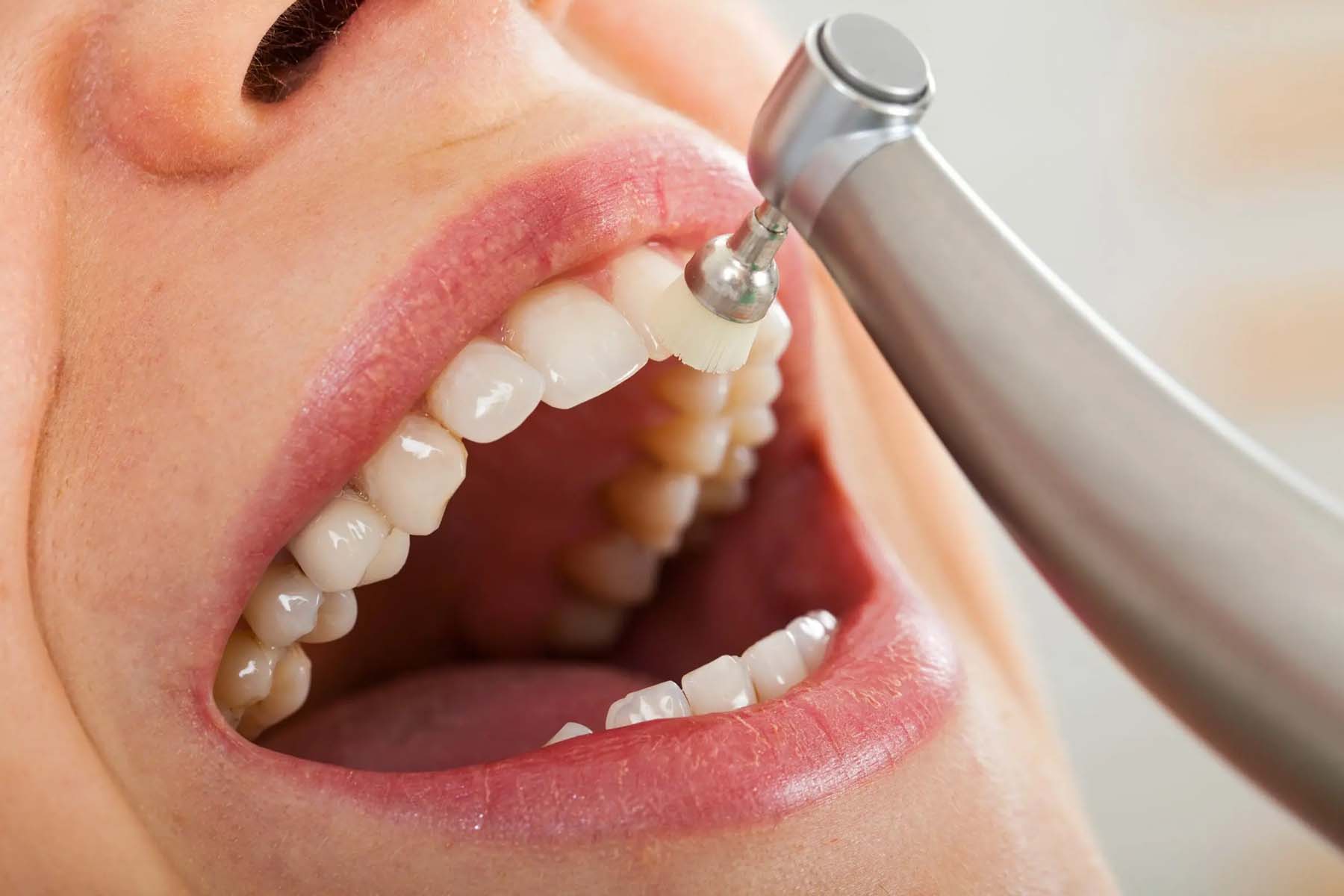
Regular professional dental cleanings allow your vet to remove tartar above and below the gumline, check each tooth, and take dental X rays when needed. This helps catch issues like loose teeth, deep pockets, or fractures long before they cause extreme pain. It can mean the difference between saving a tooth and pulling several at once later.
Imagine two scenarios. In the first, a dog has routine cleanings every year or two. The vet finds a small problem tooth early, treats it, and the dog goes home comfortable. In the second, the same dog has no dental care for six or seven years. By then, several teeth may be rotten, the gums infected, and the jawbone weakened. Instead of a simple cleaning, the dog needs multiple extractions and stronger pain control. The second path is much harder on everyone, especially the animal.
Reason 2: Protecting organs beyond the mouth
It can be surprising to hear that a dirty mouth can affect the heart, kidneys, and liver, but that is exactly what research and years of clinical experience show. When gums are inflamed and infected, bacteria can enter the bloodstream and travel throughout the body.
Over time, this ongoing bacterial load may increase the risk of heart valve disease and can put extra strain on organs that filter the blood. Chronic infection is like a slow drip of stress inside the body. Even if your pet does not act sick, their immune system is working harder than it should have to.
General vets recommend professional veterinary dental services because they know oral health is tied to general health. A clean, healthy mouth means less inflammation, fewer bacteria entering the bloodstream, and a lower chance that dental disease will worsen existing conditions like heart disease or kidney problems.
Reason 3: Saving money and reducing emergencies
It might feel backwards to hear that spending money on regular cleanings can save money, but for many families, that is exactly what happens. Advanced dental disease often leads to:
Unexpected emergency visits. More extractions in a single procedure. Longer anesthesia times. Stronger medications and longer recovery.
All of that adds up, both financially and emotionally. A planned cleaning, done when your pet is otherwise healthy, is usually shorter, smoother, and easier to recover from. It gives you time to budget and prepare, instead of scrambling in crisis when your pet suddenly cries out in pain or refuses to eat.
Because of this, many vets see regular pet teeth cleanings as an investment in steadier, more predictable care, not as a one time cost that appears out of nowhere.
How do regular cleanings compare to “wait and see” or just brushing at home?
You might be wondering how professional cleanings stack up against simply brushing at home or waiting until there is a clear problem. The truth is, each option has a role, but they are not equal.
| Approach | What it involves | Short term impact | Long term outcome |
| Regular professional cleanings | Under anesthesia, full scaling above and below gums, polish, exam, X rays as needed | Higher single visit cost, brief anesthesia, thorough cleaning and assessment | Less pain, fewer extractions, better overall health, fewer surprises |
| Home care only (brushing, dental chews) | Daily or frequent brushing, approved chews and rinses | Low cost, builds routine, helps slow plaque buildup | Helpful support, but usually not enough to prevent disease without periodic vet cleanings |
| “Wait until there is a problem” | No cleanings, maybe treats or chews, action only when pet shows pain | No immediate expense, no anesthesia when younger and healthier | Higher risk of severe disease, emergency visits, multiple extractions, higher total cost |
Home care is extremely valuable, and many vets strongly encourage it, yet even excellent brushing cannot clean under the gums where much of the damage happens. That is where professional cleanings become so important.
If you would like a trusted overview of what dental care looks like across a pet’s life, the American Veterinary Medical Association offers a clear guide on routine dental care for dogs and cats.
What can you do right now to protect your pet’s mouth?
1. Schedule a dental evaluation, not just a cleaning request
Instead of asking for a cleaning outright, ask your veterinarian for a focused oral exam. Ask what they see on the gums, whether any teeth look loose, and whether dental X rays are recommended. This conversation helps you understand the “why” behind any suggested procedure and gives you room to ask about timing and cost.
2. Start simple home care, even if it is not perfect
You do not need to jump straight to daily brushing if that feels overwhelming. Begin by gently lifting your pet’s lips each day, touching the teeth, and rewarding them. Then add a pet safe toothpaste and brush as they get used to it. If brushing is not possible yet, ask your vet about approved dental chews or rinses. Small, consistent steps make professional cleanings more effective and may help you space them out.
3. Talk openly about anesthesia and cost
If anesthesia worries you, ask your vet what monitoring they use, how they assess risk, and what bloodwork they recommend beforehand. If cost is the main concern, ask for an itemized estimate and whether the procedure can be planned ahead so you can budget or explore pet insurance. Many clinics are willing to walk through options so you feel informed rather than pressured.
Moving forward with more confidence and less guilt
Caring for a pet’s teeth can feel like one more heavy responsibility on an already long list. You might feel guilty for not starting sooner or anxious about making the “right” choice now. Those feelings are normal. What matters most is that you are paying attention today and looking for ways to ease your animal’s discomfort and protect their health.
Regular dental cleanings are not about perfection. They are about giving your pet a mouth that does not hurt and a body that is not constantly fighting infection. With a clear understanding of why vets recommend them, and with a simple plan at home, you can make thoughtful decisions that fit your life and keep your pet as comfortable as possible for years to come.