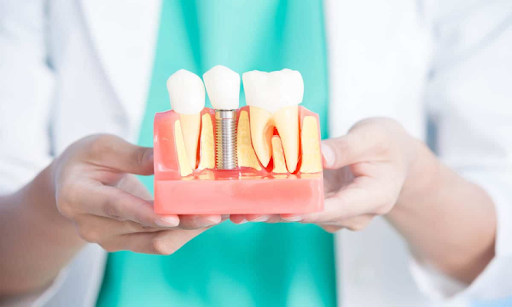
Why General Dentistry Is Key To Maintaining Healthy Gums

Healthy gums do not stay healthy by chance. They stay strong when you see a general dentist on a regular schedule. Routine cleanings remove plaque before it hardens and cuts into your gum line. Careful exams catch early bleeding, swelling, and small pockets that you may not feel yet. Early treatment stops these problems from turning into tooth loss or painful infection. Your dentist checks how you brush and floss and then shows you clear steps to fix what is missing. You also get honest guidance about tobacco, stress, and food that quietly wear down your gums. If you already see a dentist in Brooklyn Heights, you know that steady care gives you fewer surprises and fewer emergencies. General dentistry gives your gums constant protection, clear feedback, and fast action when something changes.
How General Dentistry Protects Your Gums Every Visit
Each routine visit follows a simple pattern that protects your gums.
- Cleaning
- Checkup
- Planning
First, the hygienist removes plaque and tartar from your teeth and gum line. This cleaning reaches spots that brushing and flossing miss. Plaque that stays on your teeth turns into tartar. Tartar scrapes and irritates your gums and gives germs a safe place to grow.
Next, the dentist measures your gum pockets and checks for blood, swelling, or loose teeth. These signs show early gum disease. You may not feel pain at this stage. Quiet infections still damage your bone and tissue.
Finally, you and your dentist set a clear plan. You hear what is going well. You also hear what needs to change. That plan may include new brushing skills, floss tools, or a different visit schedule.
Why Routine Care Matters More Than Emergency Care
Many people wait until they feel pain. That choice often leads to stronger treatment and higher costs. Routine care prevents that spiral.
| Type of Care | When You Go | Common Results for Gums |
|---|---|---|
| Routine general visit | Every 6 to 12 months | Early gum disease found and treated. Less bleeding. Lower risk of tooth loss. |
| Emergency visit only | When pain or swelling starts | Deeper infection. Higher chance of bone loss and tooth removal. |
The Centers for Disease Control and Prevention reports that almost half of adults over 30 have some form of gum disease. Many people do not know they have it. Routine general visits give you a chance to catch problems when they are still small and easier to treat.
What Your General Dentist Looks For In Your Gums
You may sit in the chair and hear numbers or short words that seem confusing. Those quick notes guide care.
- Gum pocket depth. A small probe measures space between tooth and gum.
- Bleeding points. Spots that bleed during gentle probing show active disease.
- Receding gums. Gums that pull back expose roots.
Healthy gums grip your teeth like a snug collar. When pockets deepen, food and germs slip in and stay trapped. That pocket then grows and erodes bone. Your general dentist tracks these changes over time. Small shifts trigger quick action. That might mean a deeper cleaning, called scaling and root planing, before surgery is needed.
Home Care And Office Care Work Together
General dentistry does not replace your home care. It strengthens it. Your dentist helps you match three key habits to your own mouth.
- Brushing
- Cleaning between teeth
- Rinsing
You learn how often to brush and what brush to use. You also learn if string floss, interdental brushes, or a water flosser fits your gums best. That advice is personal. It depends on your age, your health, and your hand skills.
The National Institute of Dental and Craniofacial Research explains that gum disease is linked to diabetes and heart disease. Your general dentist understands this link. You then get instructions that fit your medical history. Clear steps at home plus steady cleanings at the office keep your gums calm and firm.
How General Dentistry Helps Children And Older Adults
Healthy gums matter at every age. General dentistry supports both children and older adults in different ways.
For children, routine visits teach habits before bad patterns form. The dentist checks for plaque along the gum line and coaches on brushing. Calm early visits also lower fear. That trust makes teens more likely to keep going.
For older adults, gum care often needs more focus. Dry mouth from medicine, past smoking, and past dental work can raise risk. General dentists watch for root exposure, loose teeth, and changes in bite. Early repair prevents painful chewing and poor nutrition.
When To See Your General Dentist Sooner
You should not wait for your next scheduled visit if you notice any of these gum changes.
- Blood on your toothbrush or floss
- Swelling, redness, or shiny gums
- Bad breath that does not fade with brushing
Other warning signs include spaces between teeth that were not there before or a change in how your teeth fit when you bite. Quick calls to your general dentist give you a chance to stop damage and protect your smile.
General Dentistry As Your Long-Term Gum Partner
Strong gums support every part of your mouth. They hold your teeth, shape your smile, and help you speak and eat with ease. General dentistry acts as a steady guard for that support. You get regular cleaning, close watching, and honest teaching. You also gain a place where you can ask hard questions about fear, cost, or past bad visits.
By keeping your routine visits, following home care advice, and speaking up when you see changes, you give your gums the best chance to stay firm and pain-free. Regular time with your general dentist is not a luxury. It is a basic step that protects your health and your daily comfort.