6 Preventive Treatments Dentists Recommend For Families

Healthy teeth protect your body, your mood, and your wallet. You cannot control everything that happens to your mouth. You can control how prepared you are. This blog explains 6 preventive treatments dentists recommend for families. You will see what each treatment does, when you need it, and how it helps children, adults, and older relatives. You will also learn how a cosmetic dentist in Livermore, CA may use the same treatments to prevent problems and not only fix them. Many people wait for pain before they act. That choice leads to infections, lost teeth, and high bills. Instead, you can build a simple routine with your dentist. Regular cleanings, sealants, fluoride, exams, and a few other tools stop small problems from turning into emergencies. You deserve clear steps, not pressure. Here is what you need to know before your next visit.
1. Professional cleanings
Daily brushing and flossing matter. They still miss spots. Plaque hardens into tartar. You cannot remove tartar at home. A cleaning breaks it up and washes it away.
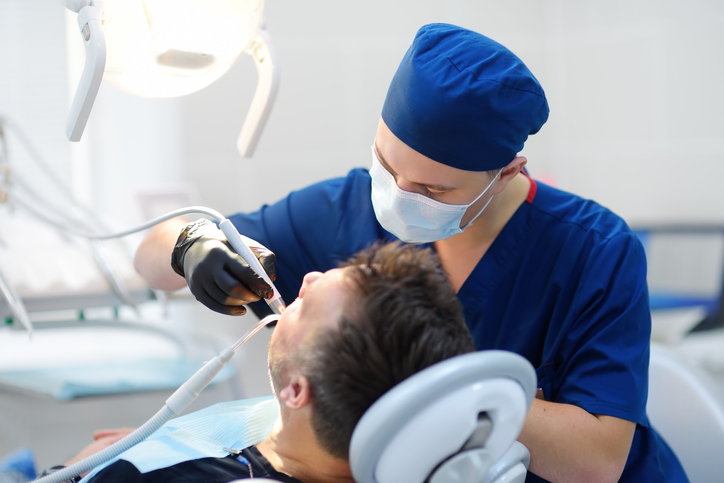
During a cleaning, a hygienist:
- Scrapes tartar from teeth and near the gumline
- Polishes teeth to smooth rough spots
- May apply fluoride to support weak spots
You need cleanings at least twice a year. Children with braces or many cavities may need them more often.
Cleanings lower your risk of gum disease and tooth loss. They also give the dentist a clear view of early trouble. The Centers for Disease Control and Prevention explains that regular preventive care cuts tooth decay in children and adults.
2. Fluoride treatments
Fluoride makes the hard outer layer of your teeth stronger. It helps repair early damage from sugar and acid. It also makes teeth more resistant to new damage.
In a dental office, fluoride may come as:
- Foam in a tray that sits on your teeth
- Gel painted on teeth
- Thick varnish brushed on teeth
Children and teens with growing teeth gain strong protection. Adults with dry mouth, many fillings, or gum disease also benefit. You may need fluoride every 3, 6, or 12 months.
Public water often has fluoride at safe levels. That gives daily support for teeth. The National Institute of Dental and Craniofacial Research shows that fluoride reduces cavities for both children and adults.
3. Dental sealants
Sealants cover the deep grooves on the chewing surfaces of back teeth. These grooves trap food and germs. A thin coating seals them, so cleaning becomes easier.
The process is quick:
- The tooth is cleaned and dried
- A gel prepares the surface
- The sealant is painted on the grooves
- A light hardens it
Children gain the most when sealants go on soon after molars appear. Teens and some adults with new or deep grooves also qualify. Sealants can last several years. Your dentist will check them at each visit and repair them if needed.
4. Regular exams and X‑rays
An exam allows your dentist to look for early signs of decay, infection, or wear. Early problems rarely hurt. You only feel them when they spread. That is too late for simple care.
During an exam, your dentist will:
- Check each tooth and your gums
- Look at your bite and jaw movement
- Review changes in your health or medicines
X‑rays show what eyes cannot see. They reveal small cavities between teeth, bone loss, and infections at the tooth roots. Children need X‑rays more often because their teeth change quickly. Adults with low risk may need them less often. Your dentist will set a schedule based on your history.
5. Custom mouthguards
Mouthguards protect teeth from hits, falls, and grinding. You may think of sports first. Yet many people grind their teeth at night or during stress. That pressure cracks teeth and wears them down.
There are two main uses for mouthguards.
Sports mouthguards:
- Protect children and adults who play contact sports
- Cushion blows to teeth and jaws
- Reduce broken teeth and lip cuts
Night guards for grinding:
- Spread pressure across teeth
- Protect fillings and crowns
- Reduce jaw pain from clenching
Custom guards from your dentist fit better than store versions. A better fit means better protection and more comfort, so you or your child will wear them.
6. Personalized home care coaching
You spend only a few hours a year in a dental office. You spend hundreds of hours at home. What you do there decides your risk for cavities and gum disease.
Your dentist and hygienist can show you how to:
- Brush teeth for two minutes twice a day
- Floss between every tooth without hurting your gums
- Use small brushes or water flossers for braces or bridges
They can also help you look at your habits. Sugary drinks, nighttime snacks, and tobacco all raise risk. Small changes protect your whole family.
Comparison of common preventive treatments
| Treatment | Main purpose | Best for | Typical frequency |
|---|---|---|---|
| Professional cleaning | Remove plaque and tartar | All ages | Every 6 months |
| Fluoride treatment | Strengthen tooth enamel | Children, teens, high-risk adults | Every 3 to 12 months |
| Dental sealants | Block decay in deep grooves | Children and teens | Once, with checks at each visit |
| Exam and X‑rays | Find early decay and disease | All ages | Exam every 6 months, X‑rays as needed |
| Mouthguards | Protect teeth from hits or grinding | Sports players, people who grind teeth | Nightly or during sports |
| Home care coaching | Improve daily brushing and flossing | All ages | At each visit |
Next steps for your family
You do not need to face dental problems with fear. You can plan instead. Start by booking exams and cleanings for every member of your family. Then ask your dentist which of these six treatments match each person’s risk and age.
Strong teeth do not come from luck. They come from steady, simple steps you repeat over time. You can start those steps at your very next visit.