Where Chrome Hearts Glasses and Luxury Streetwear Are Heading Between Now and 2035
Why Predicting the Next Decade Matters Now
Most menswear guides focus on what to buy right now. Very few step back and ask what’s actually coming next. So most guys keep buying pieces that will look dated within two or three years while missing the shifts that would actually shape the next decade of their wardrobes. The luxury streetwear category specifically sits at an interesting inflection point in 2026. The aesthetic has matured out of its early rebellious phase. Brands like Chrome Hearts, Rick Owens, and Comme des Garçons have crossed from cult status into established luxury positioning. New brands keep emerging at every price tier. Meanwhile, traditional luxury houses (Gucci, Louis Vuitton, Prada) have moved deeper into streetwear-influenced design, blurring the lines that used to separate the categories. Chrome Hearts glasses sit as a useful lens (pun acknowledged) for understanding where the whole category might be heading. The frames combine luxury materials, cultural cachet, and daily wearability in ways that clothing pieces can’t match. So watching how the eyewear evolves reveals patterns that show up across the broader luxury streetwear world. This guide breaks down where the aesthetic seems to be heading over the next decade. Plus, which shifts look like short-term trends versus long-term direction changes, and how to build a wardrobe now that stays relevant across the transitions ahead. Honestly, I think prediction pieces get most fashion wrong because they focus on colors, cuts, and specific pieces. So this guide focuses on structural shifts instead. What kinds of materials will matter more. Which brands are positioned to endure. What the buying culture will reward and punish. Those forces shape the next decade far more than any specific silhouette or trend cycle will.
What the Next Decade Actually Rewards
Predicting fashion always risks looking foolish in retrospect. So let’s focus on the structural shifts that seem likely to hold rather than the specific trends that will inevitably change. Three forces look like they’ll shape luxury streetwear across the next decade. The first is aesthetic durability. Brands whose visual identity stays consistent across seasons will outperform brands that constantly shift direction. So the labels with clear design vocabularies (Chrome Hearts, Rick Owens, Comme des Garçons, and a handful of others) look positioned to endure while trend-chasing brands cycle in and out. The second force is material integrity. As synthetic materials become the default at every price tier, the pieces that use genuine natural fabrics (heavyweight cotton, real leather, sterling silver hardware) will read as increasingly luxurious by contrast. A Chrome Hearts glasses frame that uses sterling silver hinges rather than plated metal signals this shift clearly. So brands committed to genuine materials will continue building cultural capital while brands using cheaper substitutes will find themselves increasingly displaced from the premium conversation. The third force is production transparency. Consumers care more about where and how pieces get made than they used to. Brands that operate transparent production, share supply chain details, and demonstrate genuine craft will build stronger relationships with buyers. Brands that hide production or outsource entirely to opaque supply chains will face increasing skepticism. So the decade probably rewards brands that treat production as part of the story rather than as an operational detail to obscure. The other broad shift worth flagging is the ongoing merger between streetwear and traditional luxury. The categories keep converging. So the aesthetic distinctions that felt clear in 2018 (streetwear versus tailoring, casual versus formal) look increasingly blurred by 2026 and will probably blur further by 2030. Guys building wardrobes now benefit from picking pieces that work across the emerging hybrid rather than committing entirely to one side of a distinction that’s disappearing anyway.
Your Future-Proof Wardrobe Priorities
Before you spend anything on luxury streetwear in 2026, get your priorities aligned with where the category is heading. So I built this checklist to help guys make wardrobe decisions that stay relevant over the next decade rather than pieces that date within a season or two. Here are the seven things to prioritize when adding anything to your rotation:
- Materials that develop character over time. Heavyweight cotton, sterling silver, quality leather, natural indigo denim. Pieces made from materials that age well will read better in five years than trendy synthetic alternatives.
- Silhouettes with historical staying power. Look for cuts that reference earlier decades (1970s aviators, 1990s baggy denim, 2000s streetwear proportions) rather than pure novelty. Historical references have proven durability.
- Brands with consistent visual identity. Labels that maintain the same aesthetic vocabulary across years will keep their pieces coherent in your rotation. Brands that shift direction constantly leave your older purchases orphaned.
- Construction that supports repair rather than replacement. Pieces with visible stitching, replaceable hardware, and standard component sizes can be maintained. Pieces designed as unrepairable will become garbage rather than heirlooms.
- Colors that stay wearable regardless of trend cycles. Cream, charcoal, faded black, deep navy, olive. These colors have anchored menswear for a century and will keep working through 2035.
- Accessories over clothing when possible. Watches, rings, and eyewear age slower than clothing and hold their aesthetic relevance longer. So investing more in accessories delivers longer-term style value.
- Pieces from brands with transparent production. Documented supply chains and visible craft signal integrity that consumers will value more, not less, across the next decade.
That checklist filters out pieces that look exciting in 2026 but will look dated by 2030. Running it before each purchase adds friction to impulse buying but delivers wardrobe pieces that keep working for a decade or longer. Plus, the friction itself has value because it forces deliberate consideration rather than reactive shopping.
Why Everyday Specialty Pieces Will Matter More Than Ever
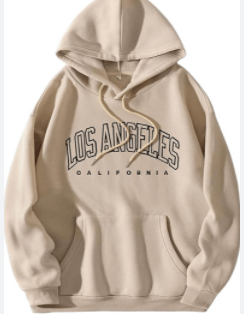
The next decade will probably increase the value of quality everyday pieces relative to luxury statement items. So thinking about the everyday layer of your wardrobe carries more strategic weight than most guides acknowledge. A parke sweatshirt demonstrates the specialty everyday piece that keeps working across trend cycles. The construction quality holds up. The neutral color palette stays wearable. The silhouette runs classical enough to avoid dating quickly. So the piece keeps performing regardless of what the broader trend cycle does. The reason everyday pieces will matter more comes down to how wardrobes actually function. Most guys wear their everyday pieces four or five times per week and their statement pieces once or twice. So the everyday layer carries 70 to 80 percent of the actual wearing hours in a typical rotation. Investing in that layer delivers correspondingly larger returns in daily wearing experience. The specialty tier will keep growing in cultural importance over the next decade for a different reason. As fast fashion becomes increasingly commodified and traditional luxury becomes increasingly expensive, the middle tier of quality specialty brands will fill the sweet spot for guys who want good pieces without either extreme. So brands operating in the $80 to $200 range with real quality control will probably see growing market share across the next decade. Color coordination between everyday and statement pieces stays consistent across trend shifts. Neutral hoodies and sweatshirts pair with whatever luxury pieces you own now and whatever luxury pieces you’ll own in 2030. Bright or trend-specific colors lock you into a specific moment. So the everyday layer’s color choices should always lean maximally versatile. Fit expectations for everyday pieces will probably relax further across the decade. The oversized silhouettes that dominated late 2010s and early 2020s are relaxing back toward more balanced proportions. But nobody’s returning to skinny fits either. So the middle-ground relaxed-but-not-baggy silhouettes look positioned to hold across the coming years rather than swinging to another extreme.
Style Signals That Age Well Across Decades
Certain style signals stay relevant across decades while others date within a few years. So learning to distinguish between the two shapes wardrobe decisions in ways that pay off across time. Here are the specific signals that consistently age well:
- Natural material patina over artificial distressing. Real wear on quality materials looks better in 2035 than manufactured aging looks in 2026. So invest in pieces that will develop character rather than pieces that fake it upfront.
- Coordinated metal tones across all accessories. This principle predates modern menswear and will outlast it. Silver with silver, gold with gold, mixed only intentionally with clear design logic.
- Classical eyewear frame shapes over trend-driven ones. Aviators, thick acetate rectangles, and mid-century inspired rounds have stayed relevant for six decades and will probably stay relevant for another decade at least.
- Watch case sizes in the 36mm to 41mm range. This proportion range has anchored menswear for a century. Trend-driven watches (huge 45mm sports pieces, tiny 32mm dress watches) come and go around this stable center.
- Denim in classical washes and cuts. Dark indigo raw denim in slim-straight cuts will outlast any specific denim trend. Distressed, colored, or extreme-silhouette denim locks pieces into specific moments.
- Leather goods in natural tones that age with use. Brown, black, and tan leather that develops honest patina reads timeless. Synthetic or artificially aged leather looks dated fast.
- Silhouettes that reference proven historical eras. 1970s workwear proportions, 1990s streetwear cuts, and 2000s luxury silhouettes have proven staying power. Pure novelty silhouettes date fastest.
So apply these signals to every wardrobe decision you make between now and 2035. The pieces that hit five or six of these signals will keep working across the decade. The pieces that hit only one or two will require replacement within a few years. That difference compounds significantly across a decade of shopping. Plus, the signals aren’t restrictive. Plenty of aesthetic diversity exists within them. So building a wardrobe that ages well doesn’t mean building a boring wardrobe.
The Role Comme des Garçons Will Play in the Next Decade
Certain brands look positioned to grow their cultural weight across the next decade while others look positioned to fade. So thinking about brand trajectories matters as much as thinking about specific pieces. Comme des garçons sits in a specific position that suggests continued relevance across the coming years. The brand’s aesthetic vocabulary (Japanese avant-garde, asymmetric silhouettes, thoughtful minimalism, and the Play sub-line’s iconic heart imagery) has stayed consistent for decades while other brands cycle through visual reinventions. That kind of consistency builds cultural durability that shifts with brand identity rarely achieved. The Play sub-line specifically looks positioned to grow across the next decade because it delivers CDG aesthetic access at price points ordinary shoppers can actually afford. As luxury streetwear pricing continues climbing, the accessible sub-lines from serious brands will probably attract growing attention from buyers priced out of main collections. So Play tees and hoodies could become one of the entry points into luxury streetwear culture for a generation of new buyers entering the category. The Japanese design tradition CDG represents will probably matter more, not less, in coming years. Global streetwear culture has drawn heavily from Japanese design principles for two decades. That influence keeps deepening rather than fading. So brands rooted in genuine Japanese design vocabulary will keep drawing cultural attention as newer brands try to reference the tradition. Collaboration culture, which CDG helped establish, will probably continue defining luxury streetwear across the decade. The Play line’s history of collaborations with Converse, Nike, Supreme, and various artists set a template that many brands now follow. So the collaboration model that CDG pioneered will keep shaping the whole category. Fit and silhouette trends within CDG will probably stay relatively consistent. The brand’s slightly slim cuts, precise proportions, and clean lines don’t chase current oversized trends or previous slim trends. So the pieces read as consistent across whatever silhouette moment the broader culture happens to be in.
Why Accessories Will Deliver Even More Value
Accessories will probably deliver even more relative value across the next decade than they do now. So skewing your budget toward the accessory layer looks strategically sound if you’re building a wardrobe for the long term. Several forces support this shift. First, clothing depreciates faster than accessories. A hoodie you buy in 2026 may look somewhat dated by 2032. A quality watch or pair of glasses bought in 2026 will look just as good in 2032, and probably better. So the accessory dollar delivers longer-lasting aesthetic value. Second, accessories reveal fewer visible trend markers than clothing. A guy wearing a heavyweight hoodie from 2018 looks different from a guy wearing a heavyweight hoodie from 2026, even if the pieces are similar. A guy wearing quality classic-shape sunglasses from 2018 looks essentially identical to a guy wearing quality classic-shape sunglasses from 2026. So accessories carry less generational marking. Third, the accessories market has more mature quality signals than the clothing market. Watchmaking has centuries of established craft tradition. Eyewear has decades. Silver jewelry has millennia. So the quality assessment tools available for accessories are more developed than for clothing, which reduces the risk of buying pieces that turn out to have hidden quality problems. Watches specifically will probably keep growing in cultural importance for the next decade. Even as smartphones and smartwatches handle timekeeping, mechanical watches keep gaining as status objects and aesthetic anchors. So investing in watch quality now delivers value across the coming years. Silver jewelry will probably keep growing as luxury streetwear cements silver as its default metal tone. Gold has cycled in and out of streetwear culture. Silver has stayed consistent. So committing to silver accessories aligns with the direction the whole category has been heading. Eyewear may deliver the biggest returns of any accessory category. As screen time increases and eye protection becomes more relevant, quality sunglasses become both style pieces and functional daily objects. One honest limitation worth flagging: accessories can also become a rabbit hole where guys spend disproportionate money on pieces that don’t actually integrate into their daily wear. So buy pieces you’ll actually wear, not pieces that impress in a photo but sit in a drawer.
How to Build a Wardrobe That Survives to 2035
Building a wardrobe now that stays relevant through 2035 requires specific decisions across the next few years. So the practical execution matters as much as the strategic principles. Start with the fewest pieces that can deliver the most outfits. An eight to twelve piece foundation covers almost every situation. Adding pieces beyond this baseline should require genuine gap-filling rather than impulse purchase. Invest more per piece and buy fewer pieces overall. Twelve carefully chosen items at $200 to $500 each will outperform thirty random pieces at $50 to $150 each. The math favors quality across a decade even if it feels counterintuitive at the purchase moment. Buy pre-owned for pieces that have already proven their durability. Vintage denim, vintage watches, vintage leather goods often deliver better value than new pieces because they’ve survived past their initial quality tests. So sourcing from resale markets can fund additional pieces or higher-tier items than pure new-piece shopping allows. Care for the pieces properly to extend their lifespan. Wash correctly, store carefully, service watches on schedule, condition leather regularly. A piece cared for well lasts three to five times longer than the same piece worn carelessly. So the maintenance layer of wardrobe management delivers real financial value across a decade. Now an honest limitation worth flagging: nobody actually knows what fashion will look like in 2035. So these predictions could be completely wrong. Building a wardrobe based on structural principles rather than specific predictions insulates you from wrong predictions. So even if this guide gets specific brand trajectories wrong, the underlying principles (durable materials, classical silhouettes, coordinated aesthetics, quality accessories) will probably still deliver value. Hedge your specific predictions but commit to the structural principles.
Final Words
The next decade of luxury streetwear rewards patience, quality, and structural thinking over trend chasing and impulse buying. So if you’re building into this aesthetic now with an eye on lasting value, the shift is from chasing what’s exciting today toward committing to what will still feel relevant in 2030 and beyond. Slow down. Buy less. Invest more per piece. Choose materials, silhouettes, and brands that have proven durability. A decade from now, guys who followed this approach will look better in their wardrobes than guys who chased every trend along the way, and they’ll have spent less money doing it.
FAQs
Q: How can I know if a specific brand will still be relevant in 2035? Brand relevance depends on consistent aesthetic identity and craft integrity. Brands that maintained the same visual vocabulary across the last decade will probably maintain it across the next. Brands that reinvented themselves multiple times will probably continue that instability.
Q: Should I stop buying trend-driven pieces entirely? Not necessarily, but limit them to pieces you’ll wear heavily during their moment rather than pieces you’ll wait to wear. Trend pieces work when they get used constantly during their relevance window. They fail when they sit unused waiting for the right occasion.
Q: Is investing in accessories really smarter than investing in clothing? For long-term value, generally yes. Accessories date slower, carry deeper craft traditions, and often appreciate rather than depreciate. So skewing budget toward accessories usually delivers more aesthetic value per dollar across a decade.
Q: What happens if the predictions in this guide turn out wrong? Structural principles hold even when specific predictions miss. Durable materials, classical silhouettes, and coordinated aesthetics will deliver value regardless of which specific brands succeed or fail. So build on principles, not predictions, and the wardrobe survives incorrect forecasts.
Q: How much should I plan to spend on a decade-lasting wardrobe? Plan for $3,000 to $6,000 over the first two years of building, then $500 to $1,500 annually after that for maintenance and additions. Total decade cost falls somewhere between $8,000 and $18,000 depending on tier choices. That sounds significant until you calculate cost-per-wear across a decade of daily use.