Trapstar and Hellstar: What Nobody Tells You Before You Buy Your First Piece
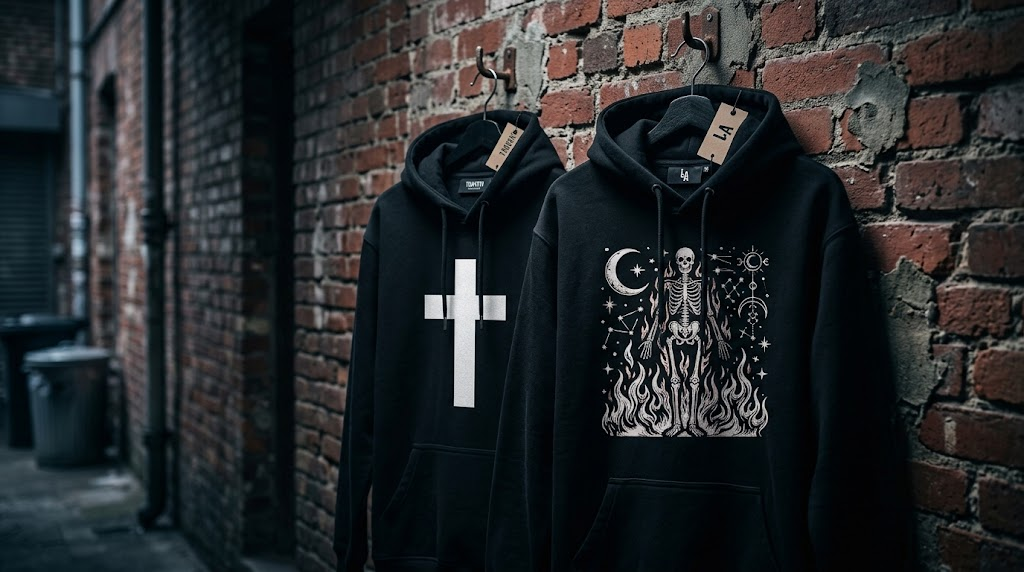
Buying your first piece from a brand that actually means something is different from buying a random hoodie off a high street rack. You are making a choice about the culture you want to connect with and the quality you expect from clothes you plan to wear regularly. Trapstar and Hellstar both sit at the top of that conversation right now, and both deserve more than a surface-level look before you commit. Here is the honest picture the parts most guides skip entirely.
Why Trapstar Has Lasted When Most Brands Didn’t
Streetwear labels come and go faster than most people realise. The ones that last do so because they built something real rather than just riding a trend.Trapstar is now over twenty years old, which in streetwear terms is a genuinely rare achievement. It started in West London in 2005 as a personal project between friends who sold screen-printed pieces through their immediate network, with no shop, no investors, and no strategy beyond making things they believed in. That foundation matters because it means the brand’s identity — the Irongate cross, the coded typography, the restrained colour palette came from a real place rather than a design brief. Pieces across different seasons still share the same visual language because the brand has always known what it is. That consistency is what keeps buyers coming back rather than moving on when the hype dies down.
The Hellstar Approach and Why It Resonates
Hellstar built its name through a completely different method but arrived at a similar result. The Los Angeles label grew through limited drops, genuine artist co-signs, and a visual identity bold enough to stop people mid-scroll. Skeleton graphics, star motifs, religious imagery, and the Hellstar Records concept running through collections like a thread none of it was designed to be quiet. The hellstar hoodie became the most recognised piece early on, and it earned that position through construction rather than marketing. Heavyweight cotton, a relaxed structured fit, and graphics applied properly to fabric that could hold them those three things built the brand’s reputation faster than any campaign could have. The community that formed around Hellstar did so because the clothes delivered, and that kind of loyalty is the only kind worth having.
Three Things First-Time Buyers Almost Always Get Wrong
Most people buying from either brand for the first time make the same mistakes. Here is what to avoid before you spend:
- Buying based on photos alone. Counterfeits from both brands photograph convincingly enough to fool a casual buyer. The difference shows up in the fabric weight, the print texture, and the construction quality none of which a product photo can accurately communicate.
- Ignoring sizing guidance. Both brands run with intentional fits that differ from standard sizing. Trapstar hoodies have a relaxed, slightly roomy cut. Hellstar pullovers lean oversized by design. Check the size chart on the product page before ordering rather than defaulting to your usual size.
- Sourcing from unauthorized sellers. The secondary market and grey-area resellers are full of pieces that look right and feel wrong. Buying from an official or authorized source is not optional if you want the real garment.
What the Cotton Actually Feels Like on Both Brands
This is the detail that matters most and gets discussed least. Trapstar’s core hoodies use a structured heavyweight cotton that holds its shape from the first wear. The hood construction stays upright rather than collapsing flat against your neck, which sounds like a small thing until you’ve owned a hoodie that does the opposite. The chenille patches carry a dense, raised texture that you feel clearly with a fingertip that tactile quality is also the fastest way to identify a genuine piece versus a fake, because counterfeiters consistently get the visual right and the texture wrong. Hellstar’s cotton takes a slightly softer approach. It starts firm and breaks in across the first few washes, gradually molding to the body in a way that makes the piece feel personal and lived-in. My honest preference after wearing both regularly is the Hellstar drape for daily wear and the Trapstar structure for layering over other pieces in colder months but that is a personal call and both constructions are genuinely good.
Five Practical Styling Points That Actually Work
Getting dressed in streetwear should be straightforward. These five points sort out most decisions without overthinking:
- One statement piece per outfit. A bold graphic hoodie or a branded tracksuit top needs calm, plain pieces around it rather than competition from equally loud layers.
- Black, grey, and washed denim are your three reliable base colours. They work with every piece either brand produces and never pull focus from the branding.
- In cold weather, layer deliberately. A long sleeve underneath a hoodie with the graphic cuff visible adds dimension without adding visual noise to the overall fit.
- Footwear should support the outfit rather than lead it. Clean trainers in a neutral colourway let the branded piece do the work without pulling attention downward.
- Accessories last, not first. A plain beanie or a clean cap finishes a streetwear fit neatly. Too many accessories working at once just clutters what should be a simple look.
The Cultural Weight Each Brand Carries
Clothes carry context, and the context around both these brands is worth understanding before you wear them. Trapstar sits deep inside UK music and football culture grime, drill, Afrobeats, and Premier League football have all carried the brand organically over the years, without paid arrangements making it happen. That grounding gives Trapstar pieces a specific resonance in British cities that goes beyond the logo and the fabric. Hellstar connects more naturally to the American side of street culture rap, skating, and the multi-disciplinary creative energy that defines Los Angeles at its best. Neither community is exclusive, and both brands reach buyers worldwide, but the cultural weight each label carries travels with the clothes. That context is part of what you are buying, whether you think about it consciously or not.
The Washing Mistake That Ruins Expensive Pieces
Cold water, inside out, air dry. Three steps, and most people skip at least one of them. Heat is the main thing that destroys graphic streetwear not washing frequency, not regular wear, but heat. A hot wash cycle and a tumble dryer on high will crack prints, loosen chenille, and fade colours in a fraction of the time that cold washing and air drying would. Turn the piece inside out before it goes in the machine to protect the graphic surface. Hang it on a wide hanger to dry rather than folding it wet, which sets creases into heavy cotton that are genuinely hard to remove. Keep chenille pieces away from direct sunlight during drying because UV exposure fades thread colour faster than most people expect. The care routine is simple the only reason pieces wear out prematurely is skipping it.
Buying From the Right Source Is the Whole Game
Both Trapstar and Hellstar are counterfeited at significant scale. The fakes have gotten convincing enough in recent years that photographs will not always protect you, and the secondary market is full of pieces built to look right in a listing and disappoint in person. Hellstar pieces purchased from authorized dealers carry the correct fabric weight, the genuine graphic application, and the sizing the brand actually intended. Trapstar pieces from official channels give you the same guarantee. Source correctly and you get the real garment. Source from anywhere that isn’t verified and you are gambling with real money on something that may look close and feel nothing like it.
Final Words
Both brands earned their place at the top of the streetwear conversation through real work, real communities, and real clothes. Trapstar brings two decades of London street culture and a design identity built on restraint and credibility. Hellstar brings bold Los Angeles graphics and cotton that breaks in fast and wears personally. Neither choice is wrong. The only wrong move is buying from the wrong source, washing on high heat, or treating the purchase as purely transactional when both labels carry genuine cultural meaning behind every piece.
FAQs
Q: Which brand should a first-time buyer start with?
A: Start with whichever culture resonates more. Trapstar suits buyers drawn to UK street culture and cleaner branding. Hellstar suits buyers who prefer bold American graphics and louder artwork.
Q: Do both brands offer pieces beyond hoodies?
A: Yes. Trapstar covers tracksuits, jackets, jogging suits, shorts, and tees. Hellstar offers shirts, long sleeves, pants in multiple cuts, tracksuits, shorts, and hats.
Q: How do I check if a piece is genuine before buying?
A: Handle it if possible. Real Trapstar chenille has clear raised texture. Real Hellstar cotton carries genuine weight. Flat prints and thin fabric are the fastest signs of a counterfeit from either brand.
Q: Do the hoodies from both brands run true to size?
A: Both brands cut their hoodies with intentional relaxed fits. Check the size chart on each product page before ordering rather than defaulting to your usual size.
Q: What is the single most damaging thing you can do to a graphic hoodie?
A: Tumble dry it on high heat. Cold washing and air drying protect prints and chenille significantly longer than any other care choice you can make.