The Importance Of Dental Services In Veterinary Hospitals
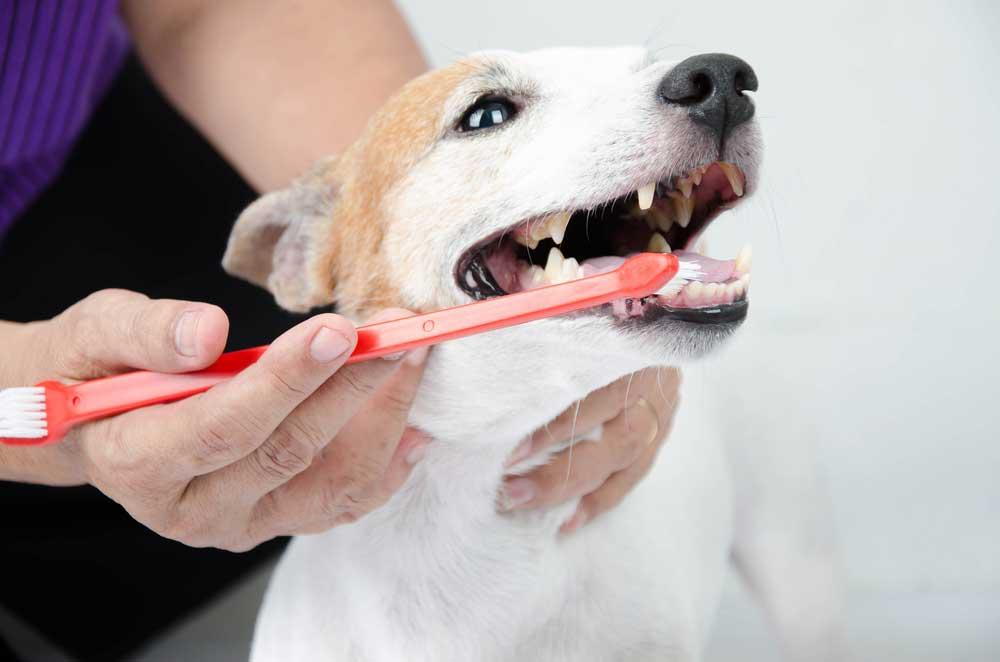
Your pet depends on a healthy mouth more than you might think. Teeth and gums affect eating, sleep, mood, and even heart health. Yet many pets live with quiet tooth pain for years. You may see bad breath or drool and think it is normal. It is not. Regular dental care in veterinary hospitals protects your pet from infection, tooth loss, and deep pain. It also helps your veterinarian spot early signs of disease in the body. A Fullerton veterinarian uses dental exams, cleanings, and simple imaging to uncover problems you cannot see at home. Then your care team treats them before they turn into a crisis. This blog explains why dental services matter, what to expect during a visit, and how to support your pet between appointments. You will see how small steps in dental care can protect your pet’s comfort and lengthen your time together.
Why your pet’s teeth matter more than you see
Dental disease is the most common health problem in dogs and cats. The American Veterinary Medical Association reports that most pets over age three have some form of dental disease. You may see only a little smell or tartar. Under the gumline there can be infection, bone loss, and pain with every bite.
Here is what poor dental health can cause.
- Pain that changes how your pet eats or plays
- Loose or broken teeth that make chewing hard food tough
- Infection that can spread to the heart, liver, and kidneys
- Weight loss from avoiding food
- Behavior changes such as hiding or snapping
Healthy teeth and gums keep germs under control. That protects organs and keeps your pet steady and calm. A clean mouth is not only about smell. It is about comfort and survival.
What happens during a veterinary dental visit
A dental visit in a veterinary hospital follows a clear path. Each step protects your pet’s safety and comfort.
- First, your veterinarian asks about eating, chewing, and any changes you see.
- Next comes an oral exam while your pet is awake. The team checks gums, teeth, tongue, and jaw.
- Then your pet receives blood tests to check organ function before anesthesia.
- After that, your pet goes under anesthesia for a full cleaning and X-rays.
- Finally, the team polishes teeth, charts problems, and removes any damaged teeth that cause pain.
Anesthesia can sound scary. Yet it allows a full cleaning under the gumline, which is where disease starts. It also protects your pet from stress and sudden movement. The American Veterinary Dental College explains that safe anesthesia is essential for a true dental treatment.
Common dental services in veterinary hospitals
Most veterinary hospitals offer a core group of dental services. Each one plays a clear role.
- Oral exams to spot plaque, tartar, broken teeth, and gum changes
- Professional cleanings to remove plaque and tartar above and below the gumline
- Dental X-rays to show tooth roots, jaw bone, and hidden infection
- Extractions of teeth that are broken or infected beyond repair
- Pain control before and after procedures
- Home care teaching so you can keep teeth clean between visits
Some hospitals also offer advanced work, such as root canals or orthodontic work. For most pets, regular exams, cleanings, and quick treatment of problems are enough to protect health.
How often does your pet need dental care
Your pet’s needs change with age, breed, and health. Small dogs and flat-faced breeds often need more frequent cleanings. So do cats with gum disease. Use the table below as a guide. Then work with your veterinarian to set a plan that fits your pet.
| Pet type | Age group | Dental exam at hospital | Professional cleaning | Home care |
|---|---|---|---|---|
| Dog | Under 3 years | Once a year | Every 1 to 2 years | Brush teeth 3 times per week |
| Dog | Over 3 years | Once or twice a year | Every year | Brush teeth daily if you can |
| Small or flat faced dog | Any age | Twice a year | Every year | Daily brushing and dental chews |
| Cat | Under 3 years | Once a year | Every 1 to 2 years | Brush or use dental wipes a few times per week |
| Cat | Over 3 years | Once or twice a year | Every year | Daily home care if your cat allows it |
These are general patterns. Any sign of pain, drooling, or bad breath means your pet needs a visit sooner.
Warning signs you should never ignore
Pets hide pain. You need to watch for small changes. Call your veterinary hospital if you see any of these signs.
- Bad breath that does not fade after a few days
- Yellow or brown buildup on teeth
- Red, swollen, or bleeding gums
- Dropping food or chewing on one side only
- Pawing at the mouth or face
- Loose, missing, or broken teeth
- Swelling on the jaw or under the eye
- Refusing hard food or treats
These signs can point to infection or even mouth tumors. Early care often means shorter treatment, lower cost, and less suffering.
How you can protect your pet at home
Hospital care works best when you support it at home. You do not need special skills. You only need steady habits.
Use three simple steps.
- Brush your pet’s teeth with pet toothpaste and a soft brush. Start slow and reward calm behavior.
- Offer approved dental treats or chews. Choose products with the Veterinary Oral Health Council seal.
- Schedule regular checkups and keep each appointment, even when your pet seems fine.
If brushing is hard, ask your veterinarian for other tools. These can include dental wipes, rinses, or special diets that help cut plaque.
The cost of skipping dental services
Postponing dental care can feel easier in the short term. Over time, it often leads to higher costs and more pain. A simple cleaning costs less than treatment for advanced disease. Late care can require extractions, hospital stays, or treatment for organ damage from infection.
You protect your pet when you treat the mouth as part of the whole body’s health. Dental services in veterinary hospitals are not extra. They are core care, just like vaccines and heartworm prevention. With steady attention, you give your pet comfort, strength, and more peaceful years at your side.