How to Sell a Defective Car Legally

Selling a defective car may seem like a daunting task, but with the right knowledge, it can be done legally and effectively. Whether your car is no longer running, has major mechanical problems, or needs costly repairs, you can still sell your defective car. However, there are important steps and legal obligations to consider to ensure that the sale is legitimate and avoids future complications. Here’s how to sell a defective car legally.
1. Disclose All Known Issues
The first and most important step in selling a defective car legally is full disclosure. You must inform potential buyers about all the defects and issues your vehicle has. Failing to disclose problems like engine failure, transmission issues, or frame damage can result in legal trouble down the road. In many places, selling a defective car without mentioning these issues is considered fraudulent, and the buyer may have grounds to take legal action against you. Make sure to provide a detailed list of the defects and keep a written record of this disclosure, as this can protect you from liability.
2. Understand the Legal Framework for Selling Defective Cars
Before you sell a defective car, it’s crucial to understand the legal requirements for selling a car in your state or country. Some jurisdictions require you to provide specific documentation, such as a title transfer, emissions reports, or proof of ownership, when selling any vehicle, including defective cars. In some cases, selling a defective car (Sælg defekt bil) without meeting these requirements could result in fines or penalties. Therefore, you need to familiarize yourself with the local laws governing the sale of defective cars. This will help ensure that you’re not breaking any laws when you decide to sell a defective car.
3. Selling to a Dealer or a Salvage Yard
One option when deciding to sell a defective car is to approach a car dealership or a salvage yard. Many dealers will purchase cars in any condition, including those with defects. However, be prepared for a significantly lower price for your defective car, as the dealer will factor in the cost of repairs and the risk involved in reselling it. A salvage yard is another option if your car is in poor condition or not drivable. They typically buy defective cars for scrap or parts, which is another way to legally sell a defective car without worrying about repairs.
4. Selling a Defective Car As-Is
If you prefer to sell your defective car privately, you can sell it “as-is,” meaning that you make no promises or warranties about the car’s condition. When selling a car “as-is,” you still must disclose all known defects. An “as-is” sale is a legal way to sell a defective car because you’re not liable for any future problems that may arise after the sale. However, it’s crucial to be honest about the vehicle’s issues in order to avoid disputes later on. Some buyers may prefer the “as-is” option because they are prepared to fix the car themselves or use it for parts.
5. Transfer Ownership Properly
Once you’ve agreed on a price for your defective car, the next step is to complete the ownership transfer. This process is essential to legally sell a defective car and protect yourself from any liability after the sale. Ensure that the title is signed over correctly, and that all necessary paperwork is filled out. In some states, you may need to provide the buyer with a bill of sale that includes the car’s condition and the terms of the sale. A proper transfer will absolve you from future claims related to the car’s defects.
6. Consider Scrapping the Vehicle
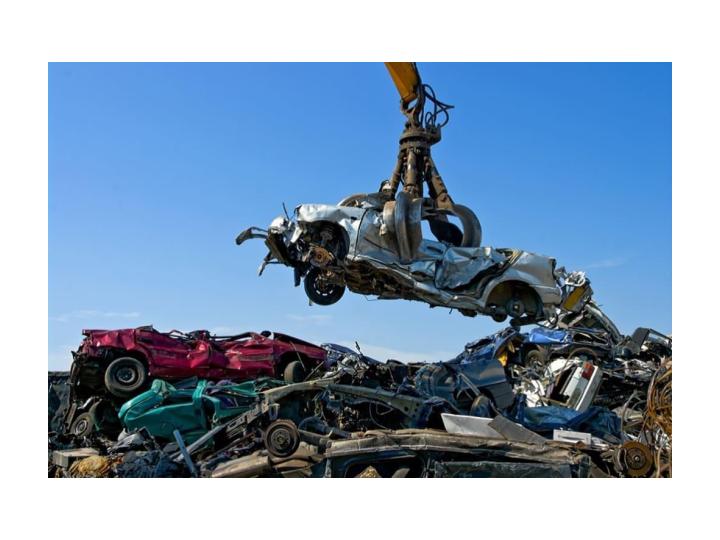
If your car is beyond repair and you’re unable to find a buyer, scrapping the vehicle might be your best legal option. Many scrap yards or metal recycling centers will buy defective cars, even if they’re no longer running. These businesses typically pay based on the weight of the vehicle or its parts. While selling to a scrapyard may not yield the highest financial return, it is a legal and environmentally responsible way to dispose of a defective car.
Conclusion
Selling a defective car legally requires careful consideration and adherence to local laws. It’s important to disclose all known issues to buyers, understand your legal responsibilities, and properly transfer ownership of the vehicle. Whether you choose to sell your defective car to a dealer, scrap yard, or privately as-is, always ensure that you follow the necessary steps to protect yourself and avoid legal complications. By doing so, you can sell your defective car confidently and within the bounds of the law.