How to Donate Plasma in Laredo: What to Expect, Why It Matters, and How to Get Started
In Laredo, community support has always shown up in practical, meaningful ways. From helping neighbors after storms to supporting local hospitals, people here tend to step up when they’re needed. One of the quieter but deeply impactful ways to do that is plasma donation. If you’ve ever wondered how to donate plasma in Laredo, you’re not alone. It’s a question more residents are asking as demand for plasma-based treatments continues to rise.
Plasma donation isn’t just a medical process. It’s a human one. It connects everyday people to patients who rely on plasma-derived therapies to survive. Understanding how it works, what’s involved, and how to prepare can make the experience smoother and more rewarding.
Why Plasma Donation Matters More Than Ever
Plasma is the liquid portion of blood that carries proteins, antibodies, and clotting factors throughout the body. These components are used to create life-saving therapies for people with immune deficiencies, bleeding disorders, burn injuries, and certain neurological conditions. Unlike whole blood, plasma can’t be synthetically produced. It must come from human donors.
What many people don’t realize is that plasma demand is global and growing. Medical advancements have expanded the use of plasma-derived therapies, but supply often struggles to keep up. Donations made in cities like Laredo don’t just stay local. They become part of a larger healthcare network that helps patients across the country and around the world.
That’s what makes learning how to donate plasma in Laredo especially meaningful. Your time and commitment can have an impact far beyond city limits.
Plasma Donation vs. Blood Donation: What’s the Difference?
At first glance, plasma donation sounds similar to donating blood, but there are some key differences.
When you donate plasma, a process called plasmapheresis is used. Blood is drawn from your arm, plasma is separated using a specialized machine, and the remaining components—red blood cells and platelets—are returned to your body along with saline. This allows donors to give plasma more frequently than whole blood, often up to twice a week depending on regulations and personal health factors.
The process takes longer than a typical blood donation, usually between 90 minutes and two hours. That extra time reflects the careful steps involved in separating and returning blood components safely.
Who Can Donate Plasma in Laredo?
Eligibility guidelines are fairly consistent nationwide, though individual donation centers may have additional requirements. In general, plasma donors must:
- Be at least 18 years old
- Weigh a minimum amount, often around 110 pounds
- Be in generally good health
- Pass a medical screening and health history review
- Provide valid identification and proof of local residency
Certain medical conditions, medications, recent travel, or lifestyle factors may temporarily or permanently affect eligibility. That’s why every donation visit begins with a screening process designed to protect both the donor and the recipient.
If you’re unsure whether you qualify, most plasma centers in Laredo encourage potential donors to call ahead or check their eligibility requirements online.
Preparing for Your First Plasma Donation
Preparation plays a big role in how comfortable and successful your donation will be. The goal is to help your body handle the fluid exchange smoothly and reduce the risk of side effects.
Start with hydration. Drinking plenty of water the day before and the day of your appointment helps maintain blood volume and makes veins easier to access. A well-balanced meal before donating is also important. Focus on protein-rich foods and avoid fatty or greasy meals, which can affect plasma quality.
Sleep matters more than people expect. Being well-rested supports healthy blood flow and helps prevent dizziness or fatigue during the process. Wearing comfortable clothing with sleeves that can be easily rolled up will also make things easier.
If this is your first time learning how to donate plasma in Laredo, it helps to arrive early. New donors typically spend extra time completing paperwork, undergoing a physical screening, and having the process explained in detail.
What Happens During the Donation Process?
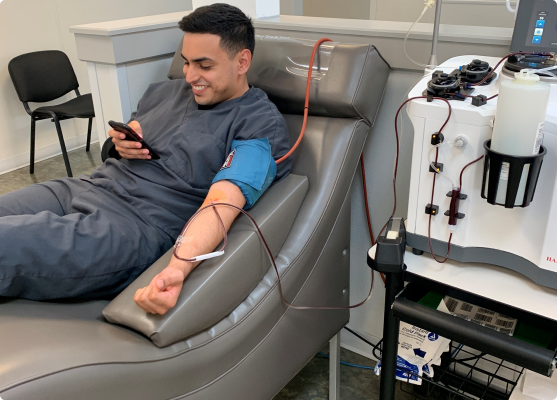
Once you’re checked in and cleared to donate, you’ll be guided to a donation chair. A trained technician will clean your arm and insert a sterile needle connected to the plasmapheresis machine. From there, the process is mostly hands-off.
Blood is drawn in small cycles. Plasma is separated, and the remaining components are returned to your body. You’ll feel the needle insertion, but most donors describe the rest of the process as relatively comfortable. Some read, scroll on their phones, or listen to music while they wait.
Throughout the donation, staff monitor donors closely. If you feel cold, lightheaded, or uncomfortable, you’re encouraged to speak up immediately. The environment is designed to prioritize safety and comfort.
After the donation is complete, the needle is removed, and you’ll be asked to rest briefly before leaving.
After Donation: Recovery and Self-Care
Post-donation care is simple but important. Drink fluids, eat a meal, and avoid strenuous physical activity for the rest of the day. Mild fatigue or soreness at the needle site can happen, especially for first-time donors, but serious side effects are uncommon when guidelines are followed.
Listening to your body is key. Most people return to normal activities within a few hours, but it’s okay to take it easy if you need to.
Compensation and Ethical Considerations
One reason many people explore how to donate plasma in Laredo is the compensation offered by plasma donation centers. Unlike voluntary blood donation, plasma donors are often compensated for their time. This practice supports donor retention and helps maintain a steady supply of plasma for medical use.
It’s worth noting that compensation doesn’t reduce the medical value of donated plasma. All plasma used for therapies must meet strict safety and quality standards, regardless of whether donors are paid.
For some donors, compensation helps cover everyday expenses. For others, it’s simply an added benefit alongside the opportunity to contribute to healthcare. Both motivations can coexist.
The Local Impact of Plasma Donation in Laredo
Laredo’s location and population diversity make it an important contributor to plasma collection efforts. A strong local donor base supports both economic activity and public health infrastructure. Plasma centers create jobs, bring healthcare-related services into the community, and connect residents to a global medical system.
On a personal level, donation can also foster a sense of routine and purpose. Many regular donors describe feeling connected to something larger than themselves. Knowing that a few hours of your time can help multiple patients is a powerful motivator.
Common Myths About Plasma Donation
Despite its importance, plasma donation is often misunderstood. One common myth is that donating plasma weakens your immune system. In reality, healthy donors replenish plasma naturally, and the screening process ensures donations are spaced safely.
Another misconception is that donation is painful or risky. While no medical procedure is completely without risk, plasma donation has a strong safety record when conducted at licensed centers with trained staff.
Some people worry that donating too often will “run out” their blood. The body is remarkably efficient at maintaining balance, and donation limits are designed around how quickly plasma regenerates.
Is Plasma Donation Right for You?
Deciding whether to donate plasma is a personal choice. It depends on your health, schedule, comfort level, and reasons for donating. For some, it becomes a regular habit. For others, it’s an occasional contribution.
If you’re curious about how to donate plasma in Laredo, the best next step is research. Look into local centers, read donor experiences, and consider scheduling an informational visit. There’s no obligation to continue if it doesn’t feel like a good fit.
What matters most is informed participation. Understanding the process helps set realistic expectations and ensures a positive experience.
A Small Act With a Wide Reach
Plasma donation doesn’t always get the attention it deserves. It happens quietly, behind clinic doors, without headlines or ceremonies. But its impact is felt every day in hospitals, infusion centers, and homes where patients rely on plasma-derived treatments to live fuller lives.
For residents of Laredo, donating plasma is one more way to contribute to the well-being of others while engaging with a healthcare system that depends on community participation. Learning how to donate plasma in Laredo isn’t just about logistics. It’s about understanding how individual actions fit into a much larger story of care, science, and shared responsibility.