Fuel Management System: A Complete Guide to Efficient Fuel Control and Optimization
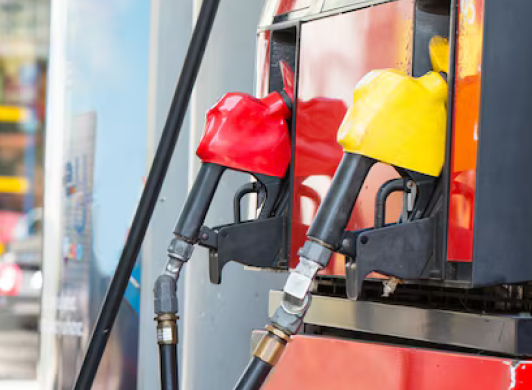
A Fuel Management System (FMS) is a modern solution designed to monitor, control, and optimize fuel usage across vehicles, machinery, and fleets. In industries where fuel is a major operational cost such as transportation, logistics, construction, mining, aviation, and marine operations, effective fuel management is essential for reducing expenses, improving efficiency, and preventing wastage or theft.
As fuel prices continue to fluctuate globally, businesses are increasingly adopting digital fuel management solutions to gain real-time visibility and better control over consumption. A well-implemented Fuel Management System not only tracks fuel usage but also enhances operational transparency and supports data-driven decision-making.
What Is a Fuel Management System?
A Fuel Management System is a combination of hardware and software that tracks fuel consumption, storage, refueling activities, and vehicle performance. It provides accurate data on how, when, and where fuel is being used.
Typically, an FMS includes:
- Fuel sensors
- Fuel cards or RFID systems
- GPS tracking devices
- Fuel monitoring software
- Reporting dashboards
- Tank level sensors (for stationary storage)
Together, these components provide a complete overview of fuel operations.
Why Fuel Management Systems Are Important
Fuel is one of the largest operational expenses for many businesses. Without proper monitoring, companies can experience:
- Fuel theft or unauthorized usage
- Inefficient fuel consumption
- Poor route planning
- Inaccurate manual reporting
- Increased operational costs
A Fuel Management System helps solve these issues by offering accurate, real-time data and automated tracking. This allows organizations to identify inefficiencies and take corrective action quickly.
How a Fuel Management System Works
A modern Fuel Management System operates through integrated technology that collects and analyzes fuel data.
1. Fuel Monitoring
Sensors installed in fuel tanks measure fuel levels in real time. These sensors detect refueling, drainage, or sudden drops in fuel levels.
2. Data Collection
Information is transmitted to a central software platform using GPS or IoT connectivity.
3. Analysis and Reporting
The system processes fuel data to generate detailed reports on:
- Fuel consumption per vehicle
- Idle time usage
- Fuel efficiency rates
- Refueling history
- Route performance
4. Alerts and Notifications
If unusual fuel activity is detected such as sudden drops or unauthorized refueling the system sends alerts to fleet managers.
Key Features of a Fuel Management System
Real-Time Fuel Tracking
Businesses can monitor fuel usage instantly, helping them make quick decisions and reduce wastage.
GPS Integration
By combining fuel data with GPS tracking, companies can analyze how driving behavior affects fuel consumption.
Automated Reporting
Instead of manual logs, the system generates accurate digital reports, reducing human error.
Fuel Theft Detection
One of the most valuable features is the ability to detect fuel theft or unauthorized usage through abnormal consumption patterns.
Driver Behavior Monitoring
Speeding, harsh braking, and excessive idling can increase fuel usage. The system tracks these behaviors to improve efficiency.
Fuel Card Integration
Fuel cards ensure that only authorized personnel can access fuel, adding an extra layer of control.
Benefits of a Fuel Management System
1. Reduced Operational Costs
By eliminating fuel waste and improving efficiency, businesses can significantly reduce expenses.
2. Improved Efficiency
Real-time monitoring allows companies to optimize routes, reduce idle time, and improve vehicle performance.
3. Better Decision-Making
Data-driven insights help managers make informed decisions regarding fleet operations and fuel usage strategies.
4. Enhanced Security
Fuel theft and misuse are common challenges. A Fuel Management System provides strong control and monitoring to prevent such losses.
5. Environmental Benefits
Efficient fuel usage leads to reduced carbon emissions, helping companies support sustainability goals.
Industries That Use Fuel Management Systems
Fuel Management Systems are widely used across multiple industries, including:
Transportation and Logistics
Fleet operators use FMS to monitor trucks, delivery vehicles, and long-haul transport operations.
Construction
Heavy machinery such as excavators, bulldozers, and cranes require large amounts of fuel, making monitoring essential.
Mining
Mining operations often run remote equipment where fuel efficiency and theft prevention are critical.
Aviation
Airlines and airport ground services rely on precise fuel tracking for safety and cost control.
Marine and Shipping
Fuel monitoring ensures efficient usage of fuel in ships and offshore vessels.
Government Fleets
Public transportation and emergency services also benefit from improved accountability and control.
Types of Fuel Management Systems
Manual Fuel Tracking
This traditional method involves recording fuel usage manually. It is prone to errors and inefficiencies.
Semi-Automated Systems
These systems use fuel cards or basic sensors but still require some manual input.
Fully Automated Systems
Modern FMS solutions use IoT sensors, GPS tracking, and cloud software to provide real-time, fully automated fuel monitoring.
Fuel Management System in Fleet Management
Fleet management and fuel management go hand in hand. A well-integrated system allows companies to:
- Track vehicle routes
- Monitor driver performance
- Reduce idle time
- Schedule maintenance based on fuel usage patterns
- Improve delivery efficiency
This integration helps businesses achieve maximum productivity while minimizing fuel-related expenses.
Challenges in Fuel Management
Despite its benefits, fuel management comes with certain challenges:
Data Accuracy
Incorrect sensor calibration or poor installation can affect data accuracy.
High Initial Cost
Advanced systems require investment in hardware and software.
System Integration
Integrating FMS with existing fleet systems can be complex.
Employee Resistance
Drivers or staff may resist monitoring systems due to increased accountability.
However, these challenges are typically outweighed by long-term savings and efficiency improvements.
Future of Fuel Management Systems
The future of Fuel Management Systems is being shaped by advanced technologies such as:
Artificial Intelligence (AI)
AI can analyze fuel consumption patterns and predict future usage trends.
Internet of Things (IoT)
IoT devices provide real-time, interconnected fuel monitoring across entire fleets.
Big Data Analytics
Large-scale data analysis helps businesses optimize operations at a strategic level.
Electric and Hybrid Integration
As fleets transition to electric vehicles, fuel management systems are evolving into energy management systems.
How to Choose the Right Fuel Management System
When selecting an FMS, businesses should consider:
- Scalability for fleet growth
- Real-time tracking capabilities
- Ease of use
- Integration with GPS and fleet software
- Reporting and analytics features
- Customer support and maintenance
- Security and data protection
Choosing the right system ensures long-term efficiency and return on investment.
Conclusion
A Fuel Management System is an essential tool for modern businesses that rely heavily on fuel-powered vehicles and equipment. It provides complete visibility into fuel consumption, prevents wastage and theft, and improves overall operational efficiency.
By combining advanced technologies like IoT, GPS tracking, and data analytics, fuel management systems help organizations reduce costs, enhance productivity, and support environmental sustainability. As industries continue to evolve, adopting a smart fuel management solution is no longer optional it is a necessity for staying competitive in a cost-sensitive and performance-driven world.