How Playful Learning Benefits Your Dog’s Behavior
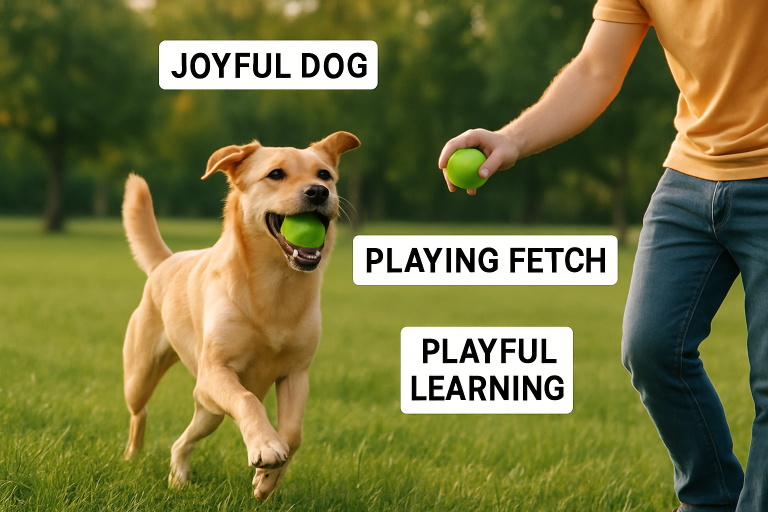
Table of Contents
- Enhancing Learning Through Play
- Reducing Stress and Anxiety
- Strengthening the Human-Dog Bond
- Improving Socialization Skills
- Preventing Behavioral Issues
- Physical Health Benefits
- Implementing Playful Learning Strategies
- Final Thoughts
Understanding the role of play in your dog’s training routine opens the door to a world of benefits that go far beyond simple entertainment. Blending fun with learning not only encourages obedience but also cultivates a well-rounded, emotionally balanced companion. Engaging your pup with playful activities during training helps lessons stick while reducing stress during the teaching process. For expert guidance on approaches that nurture positive behavior through play, explore the resources and programs at Word Of Mouth Dog Training.
Playful learning offers mental stimulation, emotional support, and strengthened relationships. It enhances how your dog interprets commands and adapts to new environments. Approaching behavior training from a place of joy fosters trust and helps prevent future behavioral problems. With the right strategies, every training session can be an enjoyable opportunity to bond and grow together.
Enhancing Learning Through Play
Dogs are naturally driven to explore and solve problems, making play a seamless way to turn lessons into lasting memories. Incorporating fun activities during or after teaching commands encourages active participation and improves recall. For example, studies show that dogs who play games like fetch or tug-of-war after structured training sessions retain new information longer. This approach also prevents boredom and helps your dog associate learning with excitement and positive attention.
Variety matters as much as enthusiasm. Mixing up playtime routines keeps your dog attentive, as they’re eager to see what comes next. Activities that engage problem-solving abilities, such as puzzle toys or scent-based challenges, stimulate cognitive development and reinforce lessons in a playful setting. These strategies are acknowledged by animal behaviorists nationwide.
Reducing Stress and Anxiety
Play is a natural stress reliever for dogs, especially during or after challenging learning experiences. Training sessions that include playful moments create a relaxed environment, reducing the intimidation or pressure some dogs feel. When your dog experiences a positive emotional state during play, their body releases endorphins that naturally calm anxiety and regulate emotions. This sense of emotional safety allows dogs to embrace new skills and environments with greater confidence, making the learning process smoother for both pet and owner.
Strengthening the Human-Dog Bond
Sustaining a strong bond with your dog serves as the foundation for successful training. Engaging in mutually enjoyable activities like tugging, chasing, or even hide-and-seek makes you the center of your dog’s fun and security. Trust grows as your dog learns you are a source of joy, not just discipline. Over time, this bond encourages loyalty and responsiveness, making it easier to build on foundational training to develop more advanced skills or adapt to novel environments.
Improving Socialization Skills
Exposure to play with other dogs and people equips your pup with crucial social skills. Through friendly games and group training, dogs learn to interpret behavioral cues such as posture, vocalizations, and play signals. Social play helps prevent misunderstandings that lead to reactivity or nervousness. It also teaches dogs to manage their impulses and respect boundaries during social interactions. Veterinarians and trainers recommend organized playtime in group settings for optimal social development. According to PetMD, early and ongoing play-based exposure is key to raising a well-behaved, sociable dog.
Preventing Behavioral Issues
Boredom and pent-up energy are common drivers of undesirable behaviors such as excessive barking, chewing, or even aggression. Regularly scheduled play sessions channel your dog’s mental and physical energy into healthy outlets. Activities tailored to your dog’s preferences, such as agility exercises or interactive toys, provide the necessary stimulation that helps prevent the development of anxiety or destructive tendencies. Integrated play helps keep your dog engaged, focused, and less likely to act out from frustration or loneliness.
Physical Health Benefits
Dogs thrive when their exercise needs are met, and playful activities are a fantastic way to support physical health. Fetch, chase, and agility challenges offer aerobic exercise that keeps the heart and muscles strong, helps maintain a healthy weight, and supports healthy joints as your dog ages. Active brains and bodies contribute to increased longevity and improve the quality of life at every stage. Incorporating varying types of play, from high-energy sprints to gentle stretching games, boosts flexibility and keeps all body systems functioning optimally.
Implementing Playful Learning Strategies
Identify Play Preferences
Each dog has unique tastes in toys and activities. Some may prefer chasing balls, while others thrive on scent games or complex puzzles. Observe your dog’s reactions to different types of play to discover their favorites.
Use Play as a Reward
Incorporate play as a high-value reward for following commands or demonstrating progress during training. This not only motivates your dog but also reinforces the notion that learning brings enjoyable consequences.
Keep Sessions Short and Fun
Training sessions should be exciting rather than exhausting. Break sessions into short, focused intervals interspersed with playful breaks to keep your dog’s attention sharp and enthusiasm high.
Encourage Interactive Play
Opt for activities that require teamwork, such as hide-and-seek or fetch, allowing you to participate directly. This collaborative approach strengthens mutual understanding and deepens the bond between you and your dog.
Final Thoughts
Playful learning transforms ordinary dog training into a dynamic experience filled with growth, joy, and connection. Embracing play as an essential part of your training toolkit delivers rewarding outcomes, including improved behavior, emotional stability, and a healthier, happier companion. By making play a central aspect of your dog’s daily routine, you set the stage for lifelong positive habits and cherished memories together.