How To Prepare A Toronto Home For Sale When Buyers Have More Choice In 2026
Table of Contents
- Why Preparation Matters in 2026
- Start With a Clear Selling Plan
- Review the Home Through a Buyer’s Eyes
- Choose Repairs That Build Buyer Confidence
- Declutter Before Staging
- Use Staging to Improve Photos and Showings
- Improve Curb Appeal Without Overbuilding
- Price for the Current Buyer Pool
- Build a Listing Launch Checklist
- Common Seller Questions
- Preparation Creates More Options
When buyers have more listings to compare, preparation becomes a competitive advantage. A home does not need to be flawless, but it should feel cared for, be easy to understand, and be fairly positioned relative to nearby alternatives. In Toronto, buyers may take more time to evaluate condition, layout, location, carrying costs, and future repair needs before making an offer.
For sellers in Toronto’s East End, The Beaches real estate experts The Richards Group can be a useful local reference point. The Richards Group is a Toronto real estate team with deep experience in The Beaches and surrounding East End communities, offering seller support that includes home valuation, staging, project coordination, marketing, and neighborhood-focused advice. That local perspective can be valuable where buyer expectations can differ by street, housing type, school area, transit access, and proximity to the waterfront.
Why Preparation Matters in 2026
A better-prepared home can attract stronger attention, create more confidence during showings, and reduce obvious reasons for buyers to hesitate. Current market conditions make supply, affordability, and realistic pricing especially important. Sellers should not assume that a listing will stand out simply because it is in a desirable Toronto neighborhood.
Preparation cannot guarantee a particular sale price or offer date. It can, however, help a property compete more effectively by improving first impressions, reducing visible concerns, and making it easier for buyers to picture themselves living there. Sellers can also review the Toronto Regional Real Estate Board’s 2026 GTA market outlook for broader context on affordability and supply conditions.
Start With a Clear Selling Plan
Before booking painters, contractors, or photographers, decide what the sale needs to accomplish. A clear plan prevents unnecessary spending and helps prioritize the work that matters most.
- Identify why you are selling and what you need from the move.
- Choose a preferred listing and closing timeline.
- Decide whether you will buy another property before or after selling.
- Set a realistic budget for repairs, cleaning, storage, and staging.
- Consider the likely buyer, such as a first-time buyer, a family, a downsizer, an investor, or a move-up purchaser.
Review the Home Through a Buyer’s Eyes
Walk through the property as though you are seeing it for the first time. Make a room-by-room list of anything that feels worn, crowded, dark, dated, or difficult to use. A neutral friend can be helpful because homeowners often stop noticing small problems that stand out to visitors.
Choose Repairs That Build Buyer Confidence
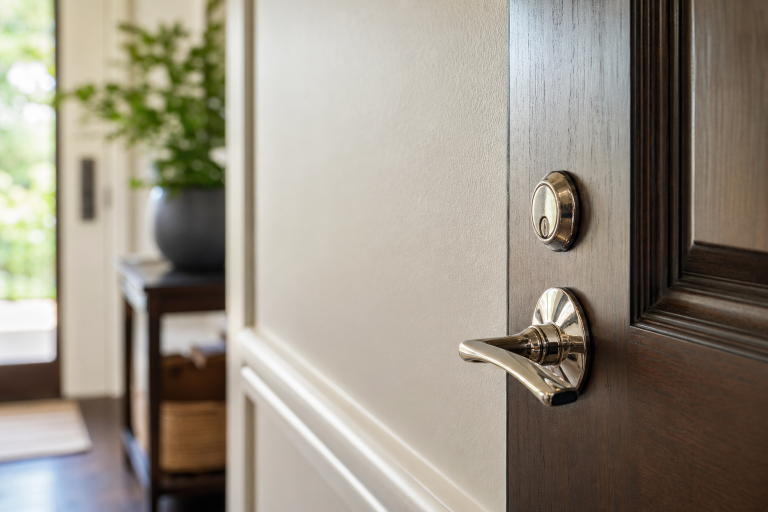
Focus first on practical repairs rather than expensive renovations with uncertain returns. Fix leaking taps, loose handles, damaged doors, broken fixtures, squeaky cabinet hardware, and visibly worn trim. Touch up scuffed walls, replace burned-out bulbs, and use consistent light temperatures throughout the home.
Address visible water damage, roofing concerns, plumbing leaks, electrical issues, or other problems that could make buyers question the home’s upkeep. If major systems have been serviced, gather available invoices and maintenance records. A large kitchen or bathroom renovation may improve appearance, but it will not always recover its full cost at resale.
Declutter Before Staging
Decluttering makes rooms feel more spacious without making them feel empty. Remove excess furniture that narrows walkways, clear kitchen counters and bathroom surfaces, and pack personal collections, seasonal items, and surplus artwork. Organize closets so buyers can see usable storage rather than crowded shelves.
Give every room one clear purpose. A dining room that also functions as an office, storage area, and workout space can make a home feel smaller and less functional. Store packed boxes outside the main living areas whenever possible.
Use Staging to Improve Photos and Showings
Staging is not about disguising flaws. It helps buyers understand how each space can work. Arrange furniture for easy movement, keep accents neutral but warm, open curtains and blinds, and highlight useful features such as a fireplace, balcony, finished basement, office nook, or built-in storage.
Depending on the home and budget, sellers may choose occupied, partial, or vacant staging. The Toronto Regional Real Estate Board also offers home presentation tips that reinforce the value of thoughtful preparation for listing photos and buyer visits.
Improve Curb Appeal Without Overbuilding
The exterior sets expectations before a buyer reaches the front door. Clean the porch, walkway, steps, windows, and entrance. Trim overgrown plants, remove dead flowers, replace a worn mat, and make sure house numbers and exterior lighting are easy to see.
Keep improvements appropriate for the property and the street. A tidy, well-maintained entrance is usually more effective than an expensive makeover that feels out of place.
Price for the Current Buyer Pool
Pricing should reflect recent local evidence, not old headlines or emotional attachment. Review comparable properties that have sold, and also study active listings, as they represent the choices buyers can see today. Separate asking prices from final sale prices and consider condition, lot size, layout, parking, transit access, and timing.
For example, a renovated semi-detached home near transit may compete differently from a larger property with similar square footage that needs substantial updates. Establish a plan to review price, presentation, and marketing if showing activity is weak after launch.
Build a Listing Launch Checklist
Three to Four Weeks Before Launch
- Confirm target dates and complete a detailed walk-through.
- Book repairs, cleaning, staging, and photography.
- Begin packing and remove excess belongings.
One to Two Weeks Before Launch
- Finish touch-ups and deep cleaning.
- Gather surveys, utility details, renovation records, and relevant documents.
- Review the property description, marketing plan, and showing instructions.
Launch Week
- Ensure every room is clean, bright, and accessible.
- Remove valuables, medication, personal documents, and pets before showings.
- Track feedback and compare activity with similar listings.
Common Seller Questions
Should Every Room Be Staged?
Prioritize the entry, kitchen, main living spaces, bathrooms, primary bedroom, and outdoor areas. Secondary rooms should still look clean and purposeful.
Is Painting Always Worth It?
Paint can be worthwhile when colors are highly personal, damaged, or difficult to photograph. A full repaint may not be necessary if finishes are clean and neutral.
What If Interest Is Weak?
Review price, photography, listing details, showing access, feedback, and competing inventory before making a rushed decision.
Preparation Creates More Options
Selling a Toronto home in 2026 involves more than placing a sign outside. A realistic price, a clean presentation, a thoughtful launch plan, and an understanding of the local buyer pool can make the process smoother. Spend wisely, remove avoidable concerns, and give buyers a clear reason to take the next step.