Creating a Green Haven: Tips for Establishing an Eco-Friendly Community

Residents should be willing to make lifestyle and technological changes geared towards sustainability. They should also be open to learning about new developments that will make their community greener.
In addition, homes should be greener by using reclaimed or upcycled materials. They should also use low (or even better, ZERO!) VOC paints and finishes.
Invest in Energy-Efficient Lighting
Homeowners can make a massive difference in eco-friendly communities by making their homes energy-efficient. They can install smart thermostats and energy-monitoring systems and even use power strips to save electricity. They can also invest in solar panels and encourage others to do so. It helps reduce the community’s dependency on fossil fuels and lowers its carbon footprint.
Another way to promote sustainability is by promoting local businesses. People living in sustainable neighborhoods like Forest Ridge are likelier to purchase local food, construction materials, and other products. It is beneficial to local farmers and saves on travel costs and emissions. It also helps the environment and teaches residents to be more mindful of their surroundings. It can also inspire other areas of their lives.
Install Solar Panels
Making your community more eco-friendly is one of the best ways to ensure sustainability. Adopting energy sources such as solar power will reduce your dependence on fossil fuels and help prevent environmental degradation.
Did you know that solar panels can significantly increase the resale value of homes? In today’s world, homebuyers are increasingly showing interest in sustainable living and eco-friendly homes. By installing solar panels, you can reduce your carbon footprint and add value to your property. Additionally, the panels can help reduce air pollution by reducing carbon dioxide emissions.
Another critical step is to establish community solar projects accessible to everyone. Residents can invest in a local solar farm and get credits on their electric bills for their share of renewable energy. It helps to level the playing field for lower-income households who don’t have suitable rooftops.
Create a Recycling Program
Recycling is integral to a sustainable community and provides benefits beyond waste diversion. Recycled materials help reduce climate change by preventing the need to extract raw materials from the earth.
Additionally, it helps boost local economies by creating jobs that support the manufacturing and distribution of recycled goods.
While many still believe that recycling is inconvenient, this is most likely due to misinterpreting today’s trash receptacles. Many are now single-stream, which allows the collection of recyclables in a container that looks just like a regular trash receptacle.
Ensure all residents are encouraged to participate in the community’s recycling program by promoting and providing accessible bins around the neighborhood. Then, communicate the success of your program by sharing its diversion results.
Educate Residents
A sustainable community is only as sustainable as its residents, so educating them about how they can make eco-friendly choices is crucial. You can do this by hosting workshops, adding sustainability articles to the community newsletter, and highlighting green home features.
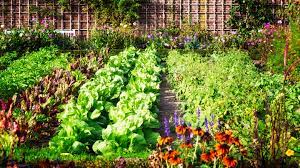
Encourage homeowners to grow fruits, vegetables, flowers, and trees in their yards and gardens. It will help reduce the waste your community produces by preventing food scraps from ending in landfills.
Implement a composting program for your community so residents can recycle their kitchen scraps into rich soil for their plants. It is a great way to prevent plastic pollution, contributing to ocean garbage islands. College campuses have already embraced composting by providing convenient, accessible bins in dining halls and residence buildings.
Promote Composting
Organic waste can be transformed into a nutrient-rich soil amendment by undergoing the process of composting. This method helps reduce the amount of garbage sent to landfills and also helps limit methane production. This harmful greenhouse gas is produced when organic material decomposes.
It is essential to get residents to support composting. Composting can help reduce the number of food leftovers in landfills and the demand for pesticides and fertilizers, which take fossil fuels to manufacture and deliver.
Investing in backyard, neighborhood, and community composting initiatives can help build support for more extensive food scrap recycling programs. It can also promote social inclusion and empowerment for the communities that need it most and keep air cleaner in areas where it is needed most.