Tretinoin and Skin Texture: What Changes Can You Expect Over Time?
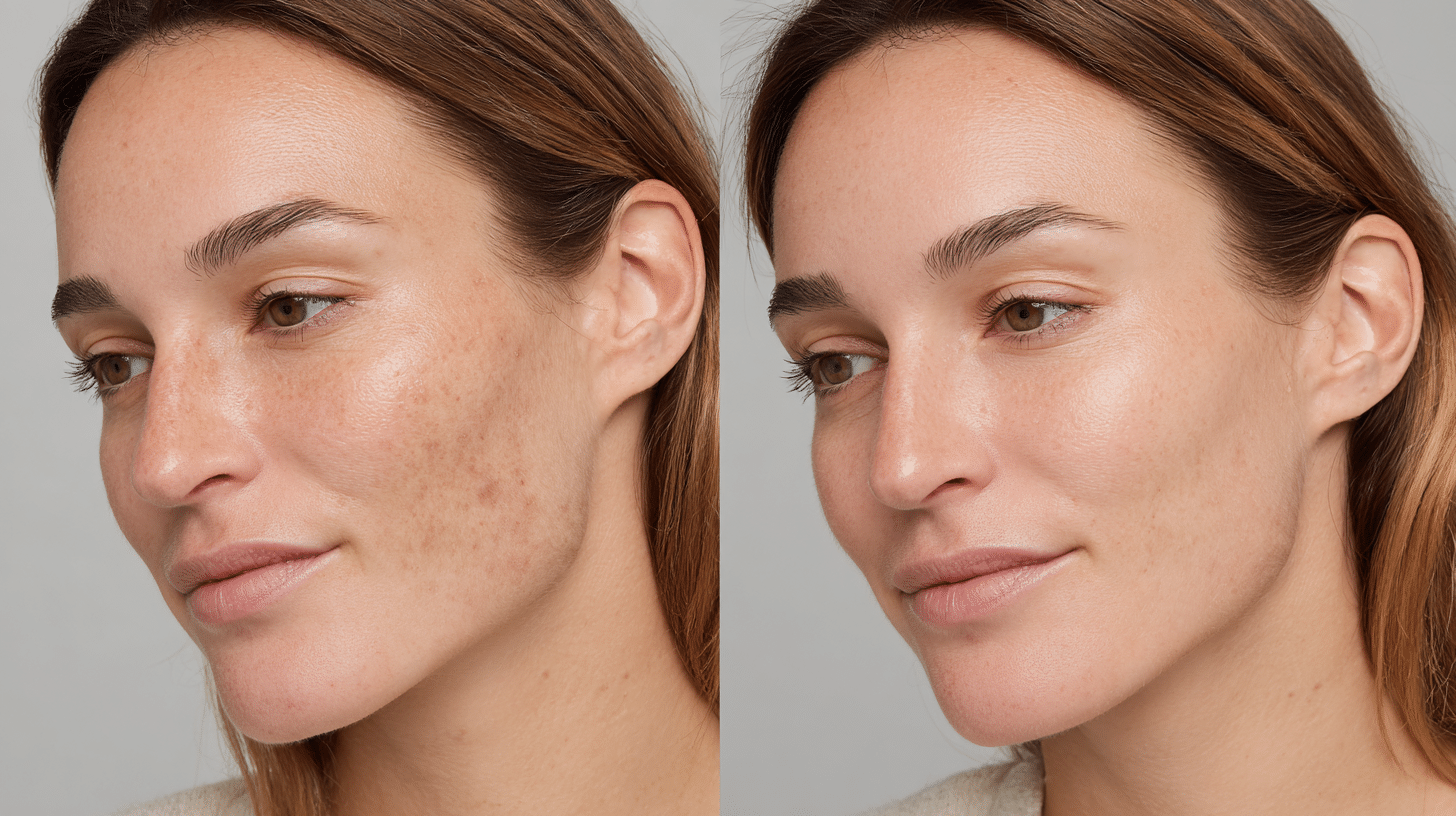
Uneven skin texture can make the skin look rough, dull, or less smooth. Common causes include clogged pores, acne, sun exposure, uneven skin-cell turnover, and natural aging.
Tretinoin is a prescription topical retinoid that has been used for many years to manage acne and other skin concerns. It works by influencing skin-cell turnover and can gradually improve the appearance of texture when used consistently.
However, tretinoin is not an overnight solution. Understanding what changes may occur over time can help people develop realistic expectations and use treatment appropriately.
What Is Tretinoin?
Tretinoin is a topical medication derived from vitamin A. It belongs to a group of medicines called retinoids.
It is commonly prescribed for acne and may also be used for concerns involving skin texture and signs of photoaging.
Unlike many cosmetic skincare ingredients, tretinoin is available in specific prescription strengths and should be used according to professional medical advice.
How Does Tretinoin Affect Skin Texture?
Skin naturally sheds old cells and produces new ones. When this process becomes irregular, dead skin cells can accumulate and contribute to roughness and clogged pores.
Tretinoin helps regulate skin-cell turnover. Over time, this may help reduce clogged pores and create a smoother-looking skin surface.
For people considering tretinoin gel for improving uneven skin texture, consistent use is generally more important than applying a larger amount.
What Can You Expect During the First Few Weeks?
The first few weeks may not bring dramatic improvements. In fact, some people experience temporary irritation when beginning treatment.
Common early effects can include:
- Dryness
- Peeling
- Redness
- Mild burning or stinging
- Increased sensitivity
These effects do not necessarily mean the treatment is failing. However, severe or persistent irritation should be discussed with a healthcare professional.
Using tretinoin more frequently than prescribed can increase irritation without necessarily producing faster results.
Changes After One to Three Months
After several weeks of consistent use, some people may begin noticing changes in skin texture and clogged pores.
The skin may gradually feel smoother, while acne-related congestion may become easier to manage.
Results vary significantly between individuals. Factors such as the formulation, concentration, skin type, treatment consistency, and underlying skin condition can influence the timeline.
Patience is important because skin-cell changes occur gradually.
What May Happen After Three to Six Months?
With continued treatment, improvements may become more noticeable.
Some people may experience:
- Smoother-looking skin
- Fewer clogged pores
- More even surface texture
- Improved appearance of fine lines
- A more consistent overall appearance
The exact results depend on why the skin texture is uneven in the first place.
Tretinoin may be helpful for certain concerns, but it cannot correct every type of scar, pigmentation, or structural skin change.
Longer-Term Results
Tretinoin is generally considered a long-term treatment rather than a quick cosmetic fix.
With continued appropriate use, some people may maintain improvements in acne and skin texture. Dermatologists may also use retinoids as part of broader routines designed to address signs of sun-related skin changes.
Long-term use should still be guided by a healthcare professional, especially if irritation continues.
Can Tretinoin Make Skin Look Worse Initially?
Some people notice increased dryness, peeling, or breakouts when they first begin tretinoin.
This early adjustment period can be frustrating. However, irritation should not be ignored or intentionally pushed through.
A healthcare professional may recommend adjusting the frequency or changing the formulation if irritation becomes significant.
The goal is to find a routine that provides benefits while keeping the skin comfortable enough to continue treatment.
How Should Tretinoin Be Applied?
Tretinoin should be used according to the instructions provided by the prescribing healthcare professional.
General application principles may include:
- Clean the skin gently.
- Allow the skin to dry as directed.
- Apply a thin layer of the medication.
- Avoid the eyes, lips, and other sensitive areas unless specifically instructed.
- Follow the recommended frequency.
- Use moisturizer if appropriate.
- Protect the skin from excessive sun exposure.
Using more tretinoin does not necessarily produce faster improvements.
Why Sun Protection Matters
Tretinoin can make skin more sensitive to irritation from sunlight. Sun exposure can also contribute to uneven tone, premature skin aging, and other texture concerns.
Using broad-spectrum sunscreen and taking sensible sun-protection measures can help protect the skin during treatment.
Sun protection is especially important for people using tretinoin as part of a routine focused on improving the appearance of photoaged skin.
Tretinoin and Acne-Related Texture
Acne can contribute to uneven texture through clogged pores, inflammation, and post-acne changes.
Tretinoin can help prevent clogged pores and manage acne, which may improve the overall appearance of the skin over time.
However, deep acne scars are different from surface roughness. Treatments for established scars may include procedures or other approaches recommended by a dermatologist.
Tretinoin for Fine Lines and Sun Damage
Tretinoin is also used in dermatology for signs of photoaging. With consistent use, it may help improve the appearance of fine lines and uneven skin associated with long-term sun exposure.
These changes generally occur gradually.
People should not expect the skin to transform within a few days. Consistent treatment and sun protection are important parts of achieving and maintaining results.
Can You Use Tretinoin With Other Skincare Products?
Tretinoin can be incorporated into a broader skincare routine, but combining too many potentially irritating products may increase dryness and redness.
Products containing strong exfoliating ingredients, certain acne treatments, or other active ingredients may require careful scheduling.
A dermatologist or pharmacist can help determine which products are appropriate to use alongside tretinoin.
Who Should Be Careful With Tretinoin?
Tretinoin is not appropriate for everyone or every skin concern.
People should tell their healthcare professional about:
- Existing skin conditions
- Current medications
- Other topical treatments
- Pregnancy or plans to become pregnant
- A history of significant skin sensitivity
Professional guidance can help determine whether tretinoin is appropriate and how it should be used.
How Can You Get Better Results?
Consistency is one of the most important factors in a successful skincare routine.
Helpful habits include:
- Follow the prescribed schedule.
- Avoid applying excessive amounts.
- Moisturize when appropriate.
- Protect your skin from the sun.
- Avoid picking or squeezing blemishes.
- Give the treatment enough time to work.
- Report severe irritation to your healthcare professional.
A simple routine is often easier to maintain than using numerous active products at once.
Frequently Asked Questions
How long does tretinoin take to improve skin texture?
Visible changes can take several months. Some people notice gradual improvements after the first few months, while more significant changes may require longer, consistent use.
Can tretinoin make skin smoother?
Yes. Tretinoin can help regulate skin-cell turnover and may improve the appearance of rough or uneven skin texture over time.
Does tretinoin cause peeling?
Peeling, dryness, redness, and irritation can occur, particularly when treatment begins. The severity varies from person to person.
Should I use more tretinoin for faster results?
No. Applying more than recommended can increase irritation without necessarily speeding up improvement. Follow the prescribed amount and frequency.
Can tretinoin remove acne scars?
Tretinoin may help with some aspects of acne-related skin changes, but established deep scars may require other treatments. A dermatologist can assess the type of scarring and recommend suitable options.
Is sunscreen important while using tretinoin?
Yes. Sun protection is an important part of a skincare routine while using tretinoin because sun exposure can contribute to skin damage and irritation.
Conclusion
Tretinoin can be a useful prescription treatment for people dealing with acne, clogged pores, and certain concerns involving uneven skin texture. Its effects develop gradually, so realistic expectations are important.
During the first few weeks, dryness and irritation may occur. Over the following months, consistent treatment may lead to smoother-looking skin, fewer clogged pores, and improvements in overall texture.
If you are considering tretinoin gel for improving uneven skin texture, speak with a qualified healthcare professional about whether it is appropriate for your skin. Following the recommended treatment schedule, protecting your skin from the sun, and allowing enough time for results can help support a safer and more effective approach.