Modern Street Sweeping: How a Street Sweeper Keeps Urban Areas Cleaner
Clean streets are an important part of a healthy and attractive community. While people often notice litter collection, recycling, and waste removal, street cleaning can receive much less attention. Yet roads collect dust, leaves, sand, dirt, small pieces of rubbish, and other debris every day. Without regular maintenance, these materials can affect drainage, create unpleasant surroundings, and eventually find their way into local waterways.
Modern street sweeping has become a practical way to manage this problem. With better equipment, improved cleaning methods, and more efficient scheduling, local authorities and private organisations can maintain roads more effectively while reducing the amount of debris that reaches the environment.
Why Regular Street Cleaning Matters
Roads are exposed to the elements throughout the year. Rain, wind, traffic, construction work, and nearby landscaping can all contribute to the gradual buildup of unwanted material.
When this debris remains on the road for too long, it can move into stormwater drains during rainfall. From there, dirt and pollutants may eventually reach rivers, creeks, lakes, and other water systems.
Regular cleaning helps reduce this buildup before it becomes a larger issue. It also creates a more pleasant appearance for residents, visitors, customers, and people travelling through an area.
We can think of street maintenance as part of a wider approach to keeping public spaces safe and functional. A clean road is not simply about appearance; it also supports better urban management.
How Modern Street Sweepers Work
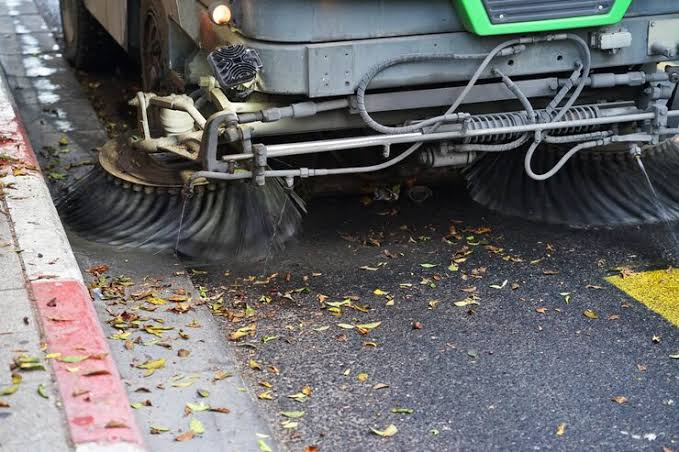
Today’s equipment is considerably more sophisticated than the basic cleaning machines used in the past. Depending on the model and application, a modern street sweeper can use rotating brushes, suction systems, water controls, collection containers, and filtration technology to remove debris from paved surfaces.
The brushes loosen material from the road surface, while suction or mechanical collection systems move it into a storage compartment. Some machines also use controlled water sprays to reduce airborne dust during operation.
This combination allows operators to clean large areas more efficiently than manual methods alone.
The exact equipment used depends on the environment. A busy city road may require a different machine from a small residential street, industrial facility, car park, or private property.
Better Results With Modern Technology
Technology has changed the way street cleaning is planned and performed. Modern machines can be designed for improved manoeuvrability, better visibility, reduced water consumption, and more efficient collection.
Some systems are also built to operate in areas where space is limited. This can be especially useful around narrow streets, commercial areas, pedestrian zones, and industrial sites.
We also see improvements in operator controls and machine design. Easier controls can help workers complete cleaning tasks more consistently, while better visibility can support safer operation around vehicles, pedestrians, and roadside obstacles.
These improvements matter because effective cleaning depends not only on the machine itself but also on how efficiently it can be used.
Supporting Stormwater Management
One of the most valuable benefits of regular sweeping is its connection with stormwater management.
Road surfaces can collect fine particles, vehicle-related residues, leaves, and other contaminants. During heavy rainfall, water can carry this material toward drainage systems.
If too much debris enters those systems, it can contribute to blockages and reduce the effectiveness of drainage infrastructure.
Regular sweeping provides an additional layer of maintenance. By removing material before rainfall washes it away, cleaning teams can help reduce the amount of debris entering stormwater networks.
Street sweeping is not a replacement for proper drainage maintenance, but it can complement other environmental and infrastructure measures.
Keeping Commercial Areas Presentable
Appearance matters for businesses. Customers form impressions quickly, and a clean surrounding environment can make a commercial area feel more welcoming.
Shopping centres, industrial estates, warehouses, office complexes, and large private properties can all experience significant amounts of dust and debris. Vehicle movement can spread dirt across paved areas, while landscaping can introduce leaves and small organic material.
A planned cleaning schedule helps these locations remain presentable without relying entirely on manual labour.
For property managers, consistent maintenance can also make it easier to identify other problems. Once accumulated debris is removed, damaged pavement, drainage issues, oil marks, or other maintenance concerns may become easier to see.
Improving Workplace Efficiency
Large areas can take considerable time to clean manually. Workers may need to use brooms, blowers, shovels, collection equipment, or other tools to remove debris.
Mechanical sweeping can reduce the amount of manual effort required for routine surface cleaning. This allows staff to focus on tasks that require direct attention rather than spending large portions of the working day cleaning extensive paved areas.
For organisations managing large properties, efficiency can make a major difference. A well-planned cleaning operation can cover more ground within a scheduled maintenance period while keeping labour requirements manageable.
Choosing the Right Cleaning Approach
Not every location requires the same type of equipment or cleaning frequency. A busy road with heavy traffic may need frequent attention, while a quiet private area may only require occasional sweeping.
We should consider several factors when developing a cleaning plan, including:
- The size of the area
- The amount and type of debris produced
- Traffic levels
- Weather conditions
- Nearby construction activity
- Landscaping and tree coverage
- Drainage requirements
- Operating hours
- Safety considerations
A practical schedule should reflect actual site conditions rather than relying on a fixed routine that may not suit every environment.
Safety Should Remain a Priority
Street cleaning often takes place around moving vehicles and pedestrians, making safety an essential part of the process.
Operators need suitable visibility, clear procedures, and appropriate awareness of surrounding traffic. Where necessary, warning signs, work vehicles, barriers, or traffic management measures can help create a safer working environment.
Equipment should also be maintained properly. Regular inspections can identify worn brushes, damaged components, faulty lights, or other problems before they affect operations.
Good maintenance benefits both performance and safety.
A Cleaner Future for Urban Areas
Modern street sweeping is becoming an increasingly useful part of broader urban maintenance strategies. As towns and cities grow, the amount of traffic, construction activity, and everyday waste placed on paved surfaces can also increase.
Efficient cleaning helps communities respond to this challenge without relying solely on manual methods.
We can also expect continued improvements in equipment efficiency, environmental performance, operator technology, and route planning. These developments may allow cleaning teams to achieve better results while using resources more carefully.
Conclusion
Clean roads contribute to healthier, safer, and more attractive communities. Regular sweeping removes accumulated debris, supports stormwater management, improves the appearance of public and private spaces, and can make routine maintenance more efficient.
Modern equipment gives cleaning teams practical tools for handling different environments and cleaning requirements. When combined with sensible scheduling, proper maintenance, and strong safety procedures, mechanical sweeping becomes much more than a cosmetic service.
It becomes a useful part of responsible property and infrastructure management, helping keep roads and paved areas cleaner today while supporting better environmental outcomes for the future.