How Appeal Rights Apply to Fatal Workplace Injury Claims

A fatal workplace claim begins with loss, then shifts almost at once into records, deadlines, wage history, and medical causation. In Chicago and across the country, federal figures show the scale of that burden. The Bureau of Labor Statistics recorded 5,070 fatal work injuries in 2024, after 5,283 in 2023. Behind each count stands a family facing legal questions during shock and mourning. Knowing how appeal rights work can help families act before critical deadlines pass.
Appeal rights matter because an early denial may rest on an incomplete file or a flawed reading of governing law. Chicago fatal work injury lawyer at Charlie Therman can examine the ruling, measure hearing proof against state standards, and judge whether review could realistically correct the outcome. That early assessment often determines the next legal step.
Why Appeals Matter
After a job-related death, surviving relatives may pursue weekly benefits and burial expenses through workers’ compensation. Disputes often involve dependency, earnings, employee status, or whether the event arose from work duties. Before filing periods close, the ruling should be examined against state standards to judge whether review could realistically correct the outcome.
The First Decision
Most fatal injury cases start in workers’ compensation rather than civil court. An arbitrator or hearing officer usually issues the first ruling after reviewing testimony, payroll entries, medical findings, and incident reports. That opening decision can shape everything that follows. Where key proof was discounted or facts were weighed unevenly, appeal rights give survivors a formal path to seek correction.
Common Grounds
An appeal needs more than grief or anger about the result. Review panels usually look for legal error, thin factual support, excluded proof, or testimony read without proper context. One dispute may concern whether the worker remained within assigned duties during the fatal event. Another may focus on whether wage records were used accurately when setting the death benefit rate.
Illinois Path
In Illinois, review often begins with the Workers’ Compensation Commission after an arbitrator issues a decision. According to USA.gov, workers’ compensation programs at the state and federal levels allow families to appeal denied claims through established review channels. If the dispute continues, the matter may move to circuit court, then to an appellate court. Each level serves a distinct function. Some judges examine whether the record supports factual findings. Others ask whether the agency applied the law correctly to material already submitted.
Timing Controls Everything
Appeal rights exist for a short period, and a missed deadline can end a claim completely. Strong facts will not reopen an expired filing window. Early review matters for that reason. Families often need the written decision, transcript, exhibits, and payroll proof before the next step starts. Delay can shrink legal options long before any judge studies the record.
Evidence Often Drives Review
Fatal injury appeals often turn on the record created at the first hearing. Medical causation may be disputed where a worker had prior disease, delayed symptoms, or more than one trauma source. Employment status can also become central in contractor matters. If fresh proof appears later, counsel must determine whether a reviewing body may consider it or leave the file closed.
Key Records
The strength of an appeal often depends on the quality and completeness of the supporting documentation.
What Review Panels Expect
Useful records often include the death certificate, hospital charts, incident reports, safety logs, wage statements, and coworker accounts. Federal reporting offers practical context as well. Transportation incidents remained the largest event group in recent Bureau of Labor Statistics fatality data. That pattern matters because employers often dispute whether travel had a genuine job connection, especially where a worker drove between sites or responded after hours.
Benefit Amounts Can Be Challenged
Appeals do not concern liability alone. They can also affect the amount paid over time. A dispute may involve average weekly wage, burial expenses, partial dependency, or payment duration for a spouse or child. Small calculation errors can reduce support for years. Careful review of payroll history, overtime, and irregular earnings may matter as much as proof linking the death to work.
Civil Claims and Appeal Rights
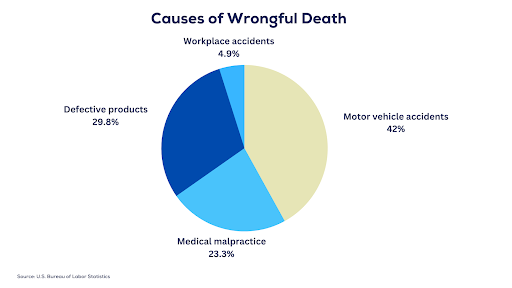
Some fatal incidents create two legal tracks. Workers’ compensation may cover death benefits, while a wrongful death case may exist against a contractor, driver, or equipment maker. An appeal in one forum does not always control the other. Even so, facts developed in each matter can influence settlement value, witness preparation, and timing, especially where fault and causation overlap across both proceedings.
Conclusion
Appeal rights give surviving families a structured way to challenge a denial, correct an incomplete ruling, or protect the full value of death benefits. That process works best when action begins early, while records, testimony, and filing periods remain manageable. Fatal workplace claims often turn on timing, medical proof, and wage evidence at once. A careful appeal can keep a valid case alive after an unfair first decision and preserve support for those left behind.