How Cosmetic Dentistry Builds On The Foundation Of Healthy Smiles
You might be feeling a mix of things right now. Maybe you are embarrassed to smile in photos, or you hide your teeth when you laugh. At the same time, you may be worried about sensitivity, bleeding gums, or a tooth that never quite feels right. It can feel unfair. You want a smile that looks good, but you also know deep down that it needs to be healthy first, and finding a trusted dentist Brookline, MA can be an important first step.
Because of this tension, you might wonder if cosmetic dentistry is just “surface level,” or if it can truly fit into a long term plan for your oral health. The short answer is that the most natural looking smile makeovers almost always start with strong gums, stable teeth, and good daily habits. Cosmetic dental care is not a substitute for health. It is something that sits on top of it.
This is the heart of the story. When you understand how general care and cosmetic care support each other, choices become easier. You can stop guessing which treatment you “should” pick and start building a plan that protects your health while also giving you the confidence you want in social and professional settings.
Why a beautiful smile starts with everyday oral health
Think about a house. You would not spend money on paint and decor if the foundation were cracked. The same is true for your teeth. Whitening, veneers, bonding, and other cosmetic options can look impressive, but if cavities, gum disease, or bite problems are ignored, you may end up paying more later to fix what was underneath.
Many people arrive in a general and cosmetic dental office wanting whiter or straighter teeth, only to discover they also have early gum disease or worn enamel. That news can feel discouraging at first. Yet it is actually a gift, because treating these problems early protects you from pain, infections, and tooth loss in the future.
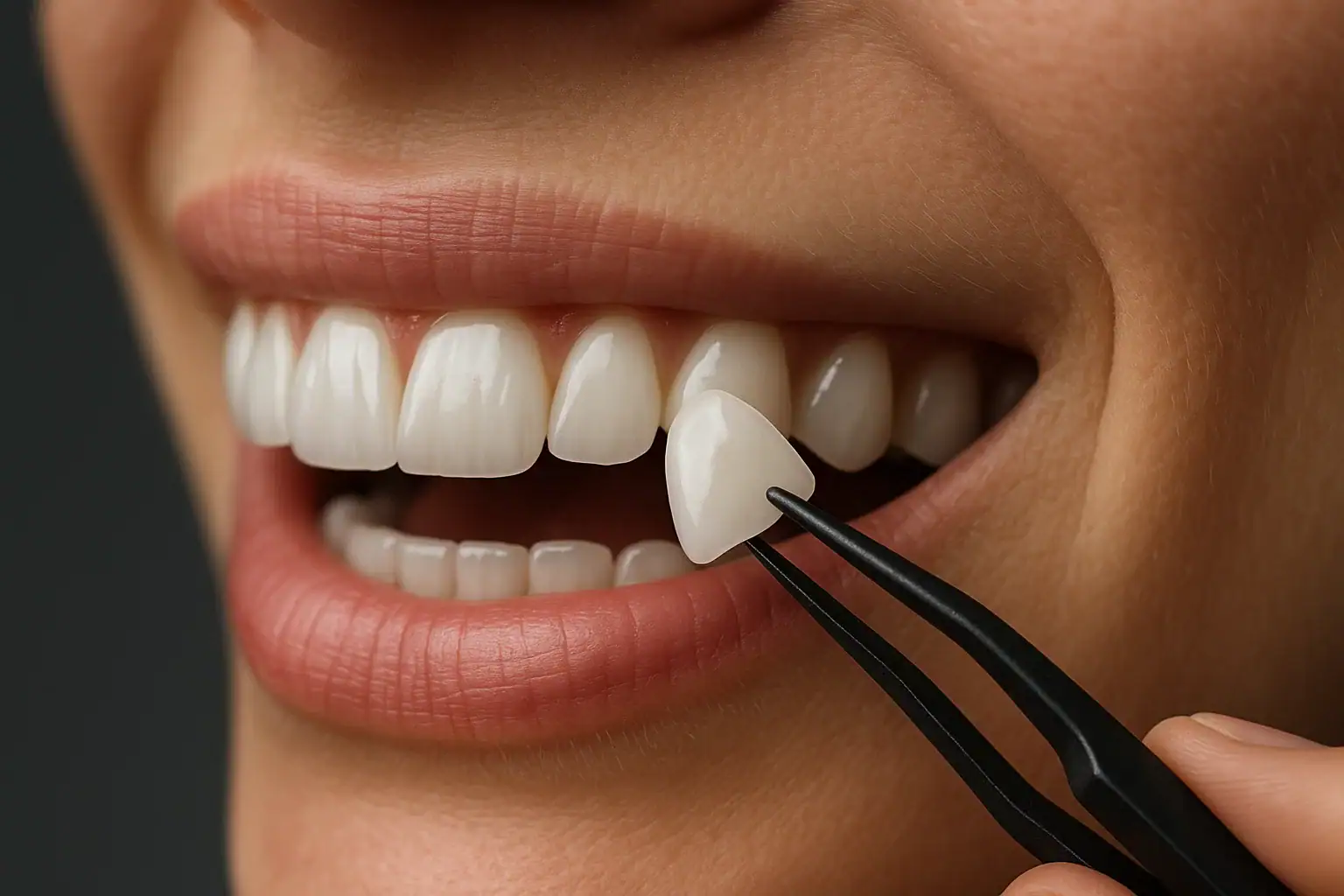
Healthy gums and teeth respond better to cosmetic work, and the results usually last longer. For example, whitening tends to be more even when plaque and tartar have been removed. Veneers look more natural when the supporting teeth are not weakened by decay. Straightening teeth is safer when the roots and jawbone are stable.
If you want to understand what “healthy” really means, it helps to look at simple, trusted guidance. The Centers for Disease Control and Prevention explain the basics of good oral health and why it matters for the whole body. The message is clear. Brushing, flossing, and regular checkups are not cosmetic extras. They are the groundwork for everything that comes next.
What happens when cosmetic care comes before health?
So where does that leave you if you mainly care about how your smile looks right now. It is completely understandable to want fast change. Maybe you have a reunion coming up, or you are starting a new job, or you are simply tired of feeling self conscious. The temptation is to skip straight to whitening, veneers, or clear aligners and trust that the rest will sort itself out.
Here is where the problems often begin. Imagine a person who has not had a cleaning in years and whose gums bleed every time they brush. They decide to get veneers to cover crooked, stained teeth. The veneers look nice at first, but the gum disease continues underneath. Over time the gums recede, the veneers start to look too long, and the patient may even lose bone around those teeth. The cosmetic work becomes harder to maintain and more expensive to repair.
Or think about someone who chooses repeated over the counter whitening without any guidance. If they already have thin or cracked enamel, whitening may increase sensitivity and create uneven color. They might blame the whitening product, when the real issue was that their teeth needed protection and repair first.
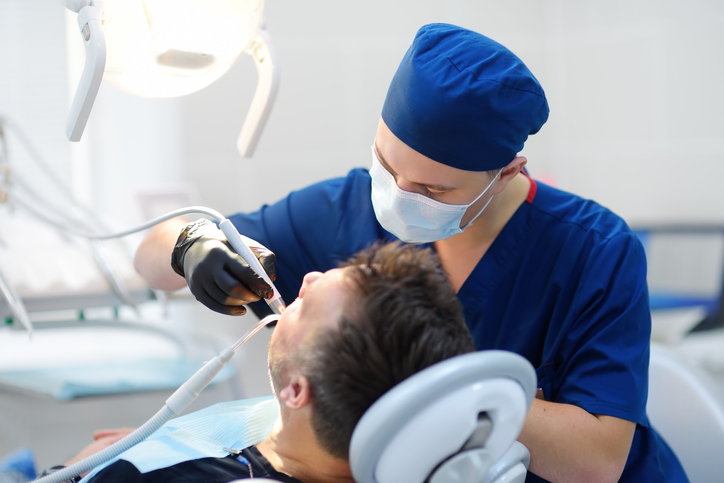
This is why a thoughtful smile makeover planning process begins with a full exam, X rays when needed, and a conversation about your daily habits and health history. It is not about shaming you. It is about uncovering the real reasons your teeth look and feel the way they do, so cosmetic treatment can be safe and stable.
Simple habits still matter, even if you are considering advanced cosmetic care. Things like brushing twice a day with fluoride toothpaste, cleaning between teeth, and limiting sugary snacks are not glamorous, but they are powerful. The CDC offers clear, practical oral health tips for adults of all ages, and these basic steps support every cosmetic choice you may make later.
How general and cosmetic dentistry work together, not against each other
A general and cosmetic dentist is trained to think about both health and appearance at the same time. The focus is not just “How can we make this tooth pretty” but “How can we protect this tooth, support the gums, and still give you a smile that feels like you.”
For example, if your teeth are worn and chipped, a dentist may first look at whether you grind your teeth at night or have an uneven bite. Addressing that with a night guard or small bite adjustments can prevent future damage. Only then does it make sense to consider bonding, veneers, or crowns to rebuild the shape of the teeth.
If your gums are inflamed, treatment might begin with deep cleanings, home care coaching, and follow up visits. Once the gums are stable, cosmetic steps like contouring, whitening, or replacing old fillings will usually look better and last longer.
Good oral hygiene is a shared responsibility. Your dental team can treat disease and provide cosmetic options, but what you do at home every day is just as important. The National Institute of Dental and Craniofacial Research offers simple guidance on how to keep your mouth clean and comfortable. When you follow those steps, you make every cosmetic treatment more predictable and more durable.
Comparing “quick fix” cosmetic care and health first cosmetic care
It may help to see the difference between a quick cosmetic fix and a plan that respects both health and appearance. The table below highlights some of the main contrasts.
| Approach | What it focuses on | Short term results | Long term impact |
|---|---|---|---|
| “Quick fix” cosmetic focus | Whiter or straighter teeth right away, with little attention to gum health, bite, or daily habits | Fast visual change, often within days or weeks | Higher risk of sensitivity, chipped work, or needing to redo treatment if underlying problems were missed |
| Health first cosmetic focus | Gum health, cavity control, bite stability, then cosmetic improvements on top of that base | Sometimes slower, because treatment may begin with cleaning, repair, or stabilization | Usually more stable results, less discomfort, and fewer surprises over time |
| DIY or unmonitored whitening | Color change only, without checking enamel thickness or existing restorations | Teeth may look brighter at first, though sometimes uneven | Possible increased sensitivity, patchy color, and no protection for cracked or decayed teeth |
| Professional whitening within a full care plan | Safer brightening, with cleaning and exam beforehand and custom trays or guided in office treatment | Predictable shade change, tailored to your teeth and restorations | Better comfort, easier touch ups, and whitening that fits future cosmetic work |
Three clear steps to build a healthy, beautiful smile
1. Start with an honest, full mouth evaluation
Begin by scheduling a checkup that is more than a quick look. Ask for a full exam that includes your gums, teeth, existing fillings or crowns, and how your teeth meet when you bite. Be open about what bothers you, both in how your smile looks and how it feels. Share any sensitivity, bleeding, grinding, or jaw discomfort.
A general and cosmetic dentist can then outline what must be treated for health and what can be done for appearance. When you see the full picture, you can pace treatment in a way that respects your budget and your priorities, instead of rushing into isolated cosmetic fixes.
2. Strengthen your daily habits before and during cosmetic care
Cosmetic treatments work best when your daily routine supports them. If you are not already doing so, brush twice a day with fluoride toothpaste and use floss or other tools to clean between your teeth. Try to limit grazing on sugary snacks or drinks throughout the day, since this feeds the bacteria that cause decay and gum disease.
Ask your dentist or hygienist to show you where you are missing plaque and how to adjust your technique. A few small changes can dramatically reduce inflammation and staining, which means any whitening or restorative work will look better and stay brighter.
3. Build a phased smile plan that respects both health and appearance
Instead of treating each concern in isolation, ask for a simple written plan that covers both general and cosmetic steps. For example, your path might look like this. First, cleanings and gum treatment. Second, fixing cavities and replacing failing fillings. Third, whitening. Fourth, bonding, veneers, or aligners to refine shape and alignment.
By phasing treatment, you spread out costs and give your mouth time to heal and adjust. You also reduce the chance of needing to redo cosmetic work because something underneath was not stable yet. This type of plan turns vague anxiety into clear next steps, and it keeps the focus on a smile that is both healthy and attractive.
Bringing it all together without pressure
You do not have to choose between a healthy mouth and a confident smile. The truth is that cosmetic dentistry for healthy teeth is simply the natural next layer once decay is controlled, gums are calm, and your bite is stable. When health comes first, cosmetic choices become safer, more predictable, and often more subtle and natural looking.
If you feel overwhelmed or unsure where to start, that is completely normal. Begin with one step. A thorough exam. A cleaning you have been putting off. A conversation about what you hope your smile could look like a year from now. From there, a thoughtful general and cosmetic dentist can help you build a plan that respects your health, your timeline, and your comfort.
You deserve a smile that feels good and looks like you. One careful step at a time can get you there.