5 Cosmetic Dentistry Services That Transform Everyday Smiles
You might be feeling a little self-conscious every time you see a photo of yourself or catch your reflection in a window. Maybe you cover your mouth when you laugh, or you have one tooth that always pulls your eyes first in the mirror. You are not alone. Many people carry quiet embarrassment about their teeth for years, and it can feel like a small thing, yet it affects how you speak, smile, and even how you show up around others. A West Edmonton general dentist can help you explore options to feel more confident about your teeth.
Because of this, the idea of cosmetic dental treatment can feel both hopeful and overwhelming. You may worry about cost, pain, or looking “fake,” and at the same time, you wonder what it would be like to smile without thinking about it. This is where a thoughtful family and cosmetic dentist can help. With the right information, you can choose from a handful of proven cosmetic dentistry services that gently upgrade everyday smiles without turning you into someone else.
In simple terms, the five most common options are whitening, bonding and fillings, veneers, orthodontic alignment, and cosmetic contouring or reshaping. Each one solves a different problem, and they can be combined or used alone. By the end of this guide, you will understand what each service does, who it helps, and how to start a calm, clear conversation with a dentist about your own smile.
What is really bothering you about your smile right now?
Before talking about treatments, it helps to name what is actually bothering you. Is it color? Shape. Gaps. Chips. Crowding. Often, it is a mix of a few things. When you do not name it, everything feels like “bad teeth,” which can be heavy and vague. When you put words to it, solutions become simpler.
For example, imagine three different people.
One person has healthy teeth, but years of coffee stains. They feel their teeth look older than they feel inside. Another person has a small chip on a front tooth and one dark filling that shows when they laugh. They worry people notice that first. A third have overlapping front teeth that have always made them press their lips together in photos.
All three feel the same emotional weight, yet they need different cosmetic dentistry options. So where does that leave you?
Whitening: Is a brighter smile all you really need?
Surface and deep stains are one of the most common complaints. Professional whitening can lighten teeth several shades in a controlled way. It is often the simplest cosmetic step and can be done in the office, at home with custom trays, or a combination of both.
Whitening tends to work best if your teeth are generally straight and intact, but look dull or yellow. It will not change the shape or position of your teeth. It also will not change the color of existing fillings, crowns, or veneers, which is important to know before you start. Sensitivity is the main side effect, and a good dentist will adjust strength and timing to protect you.
If your main concern is color, whitening can be a low-commitment way to see how a small change affects your confidence. Many people are surprised by how different they feel with just this one step.
Tooth colored fillings and bonding: Can small fixes make a big difference?
Maybe your issue is a chip, a worn edge, or an old silver filling that shows when you talk. Tooth colored composite fillings and cosmetic bonding can restore shape and color in a single visit. They use the same safe materials that are used in everyday dental fillings, which are explained in more detail by the National Institute of Dental and Craniofacial Research.
Bonding is often used for:
• Small chips on front teeth.
• Closing tiny gaps.
• Covering stubborn stains on one or two teeth.
• Reshaping a tooth that looks shorter than its neighbor.
Because bonding is gently added to your existing tooth, it usually involves little or no numbing and is more affordable than many other cosmetic procedures. The tradeoff is that it may stain or wear over time and might need touch-ups in the future.
Veneers: When do you consider a bigger cosmetic change?
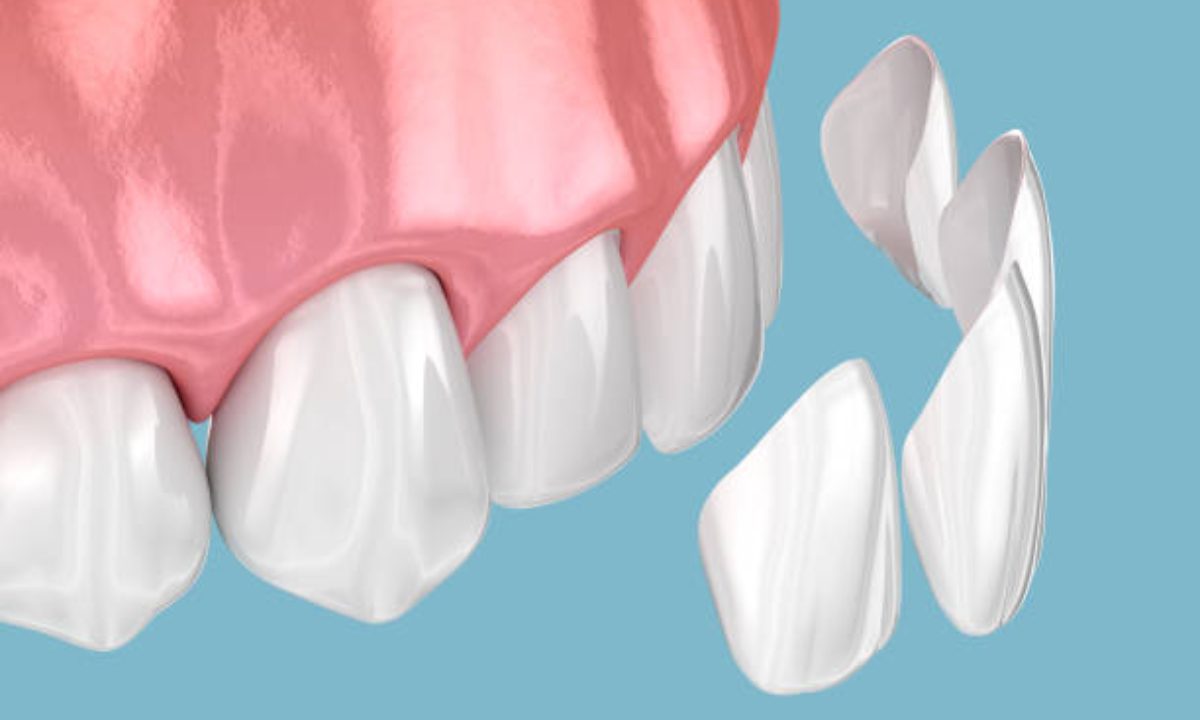
Sometimes you want more than a small tweak. If you have several concerns at once, such as discoloration, uneven shapes, small gaps, or teeth that look worn, veneers can offer a more complete cosmetic transformation. Veneers are thin shells placed on the front of the teeth to change color, shape, and size in a very controlled way.
Modern veneers are carefully planned, so they look like healthy, natural teeth, not “Hollywood” unless that is what you ask for. The American Dental Association’s MouthHealthy resource explains how dental veneers work and what to expect, which can help you decide if they feel right for you.
Veneers usually require some reshaping of the natural tooth, so the decision is more permanent than whitening or bonding. This is why a thoughtful consultation and a preview of the planned look are so important.
Orthodontic options: What if alignment is the real issue?
If your teeth are crowded, rotated, or there are noticeable gaps, color changes alone will not fix the thing that bothers you. Mild to moderate alignment issues can often be treated with clear aligners or traditional braces. These are sometimes considered both cosmetic and functional because straighter teeth are often easier to clean and maintain.
Many dental centers describe orthodontics as part of their broader cosmetic dentistry services. This reflects how much alignment affects the way a smile looks and feels. Treatment time can range from a few months for simple cases to a couple of years for more complex ones, so it is a bigger time commitment, yet the changes can be long-lasting.
Contouring and reshaping: Can tiny adjustments change your whole smile line?
There are situations where your teeth are generally healthy and straight, but one or two edges are sharp, slightly longer, or not in harmony with the rest. In those cases, gentle enamel shaping or contouring can smooth and balance the smile line without major work.
This might involve:
• Softening a pointed canine tooth.
• Evening out small height differences between front teeth.
• Smoothing minor irregularities on the edges.
Because only a small amount of enamel is removed, this is usually quick and comfortable. It is often combined with whitening or bonding for a subtle yet meaningful cosmetic dentistry enhancement.
How do these cosmetic dentistry services compare in real life?
It can be hard to picture the differences until you see them side by side. The table below gives a simple comparison of common options used in a cosmetic dental makeover for everyday smiles.
| Treatment | Best for | Typical Longevity | Relative Cost | Reversible |
| Whitening | General discoloration and stains | Several months to a few years with touch-ups | Low | Yes, no tooth structure removed |
| Bonding / Tooth colored fillings | Chips, small gaps, localized stains | 3 to 10 years depending on care | Low to moderate | Partially, minimal tooth changes |
| Veneers | Multiple cosmetic concerns on front teeth | 10 to 15 years or longer with good care | High | No, usually involves permanent enamel removal |
| Orthodontic treatment | Crowding, gaps, bite, and alignment issues | Long term, with retainers | Moderate to high | Yes, tooth structure usually not removed |
| Contouring / reshaping | Minor shape irregularities | Permanent change to shape | Low | No, enamel does not grow back |
These are general ranges, not promises. A conversation with a trusted cosmetic dentistry provider will give you numbers and options that match your mouth, your budget, and your comfort level.
What should you do now if you want a better smile?
Once you have a sense of what bothers you and what is possible, the next step is to move from thinking to planning. You do not need all the answers before you speak with a professional. You only need a starting point.
1. Define your “one thing” and your “nice to haves”
Write down the single change that would make the biggest difference for you. Maybe it is “I want my teeth to look whiter,” or “I want this chip fixed,” or “I want my front teeth to stop overlapping.” Then list anything else that would be a bonus but not essential. This keeps conversations focused and protects you from feeling pushed into more than you want.
2. Gather simple information before a consultation
Take a few clear photos of your smile from the front and from each side. Notice what you like as well as what you want to change. If it helps, look at educational resources such as university-based cosmetic programs, like the University of Maryland cosmetic dentistry overview, to get a feel for common treatments and language. This will make you feel more prepared and less anxious in the chair.
3. Schedule a cosmetic-focused visit with a family and cosmetic dentist
When you contact a dentist, say that you are interested in cosmetic options and a smile evaluation. Ask about fees for the consultation, whether photos or digital scans are included, and if they can show you examples of similar cases. A good dentist will listen first, check the health of your teeth and gums, then walk you through a few choices with clear pros and cons, including cost and time frames.
Moving toward a smile that feels like “you,” only more confident
You do not have to settle for a smile that makes you hide in photos or press your lips together when you want to laugh. Small, thoughtful cosmetic dentistry services can quietly upgrade the way you look and how you feel about yourself, often with less effort than you imagine.
Whether you start with simple whitening or explore veneers, bonding, or orthodontic alignment, the most important step is the first one. Reach out to a trusted family and cosmetic dentist, share what is bothering you, and ask what is realistically possible for your teeth, your timeline, and your budget. The goal is not perfection. The goal is a smile that feels natural, comfortable, and fully yours, so you can stop thinking about your teeth and get back to living your life.