How to Select the Best Self-Cleaning Litter Box for Multi-Cat Homes
If you share your home with two, three, or more cats, you already know the reality: litter boxes fill up fast, odors multiply quickly, and scooping becomes a never-ending chore that consumes precious time every single day. What starts as a minor inconvenience with one cat transforms into a demanding routine that can feel overwhelming when multiple felines are involved. The automatic cat litter box has emerged as a game-changing solution for multi-cat households, offering hands-free waste removal that keeps boxes fresh around the clock without constant human intervention.
This guide is designed to help you navigate the selection process with confidence. We’ll walk through the essential features that matter most in a multi-cat environment, explore safety considerations for cats of all sizes and temperaments, and dive into odor control technologies that actually work when multiple cats share the same space. By the end, you’ll have a clear framework for choosing a self-cleaning litter box that delivers genuine convenience while keeping your cats healthy and comfortable.
Why Multi-Cat Homes Need an Automatic Cat Litter Box
When you’re managing two or more cats with traditional litter boxes, the math works against you quickly. The general recommendation of scooping twice daily per box means that a three-cat household following the “one box per cat plus one” rule could require eight or more scooping sessions every day. That’s not just tedious—it’s unsustainable for busy pet owners who juggle work, family, and other responsibilities. Missed scooping sessions lead to cats avoiding dirty boxes, which can trigger inappropriate elimination, territorial disputes, and even urinary health issues.
An automatic cat litter box fundamentally changes this equation by removing waste within minutes of each use. This means the box stays consistently clean regardless of how many cats cycle through it throughout the day and night. The hygiene benefits compound in multi-cat environments where bacteria and ammonia build up exponentially faster than in single-cat homes. Consistent automated cleaning also reduces the likelihood of one cat refusing to use a box because another cat recently visited it—a common source of litter box avoidance in multi-cat households. For owners seeking to reduce scooping frequency without compromising their cats’ health or comfort, investing in a reliable self-cleaning system addresses the core challenge of keeping shared spaces sanitary with minimal daily effort.
Essential Features to Look for in a Self-Cleaning Litter Box
Choosing the right self-cleaning litter box for a multi-cat household means looking beyond basic automation. Not every unit handles the demands of frequent use equally well, and the wrong choice can lead to mechanical failures, overwhelmed waste systems, or cats that simply refuse to step inside. Focus your evaluation on three critical areas: how the box cleans itself, whether it can physically accommodate heavy traffic, and how effectively it neutralizes odors between cycles.
Cleaning Mechanisms and Efficiency
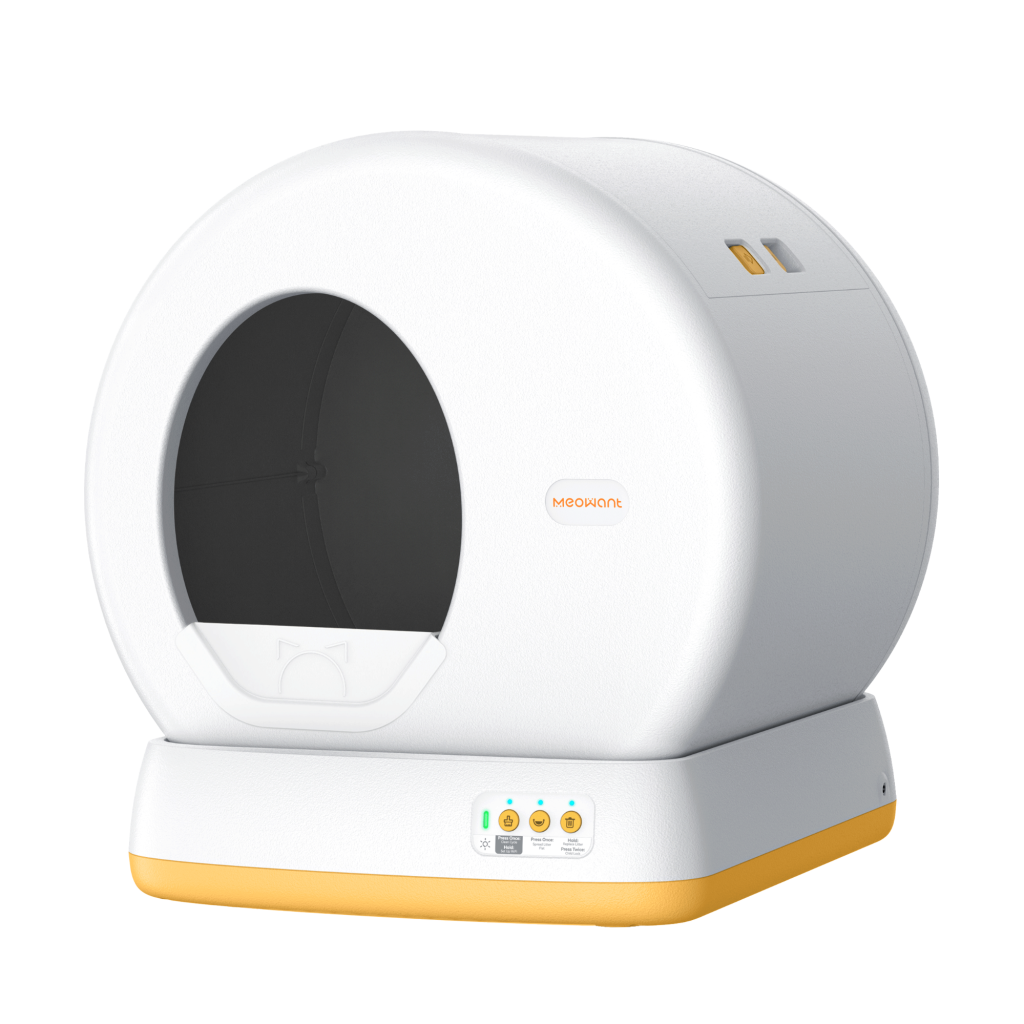
Self-cleaning litter boxes generally rely on one of three mechanisms: raking systems that comb through litter to deposit clumps into a receptacle, rotating globes that sift waste through internal screens, or conveyor-style systems that cycle litter through a filtering process. For multi-cat homes, rotating and sifting mechanisms tend to handle larger clump volumes more reliably than rakes, which can jam when waste accumulates between cycles. Look for units with sensors that trigger cleaning shortly after each cat exits, ensuring the box resets before the next visitor arrives. Durability matters significantly here—motors and moving parts endure far more stress in high-traffic situations, so prioritize models built for continuous operation.
Capacity and Size for Multiple Cats
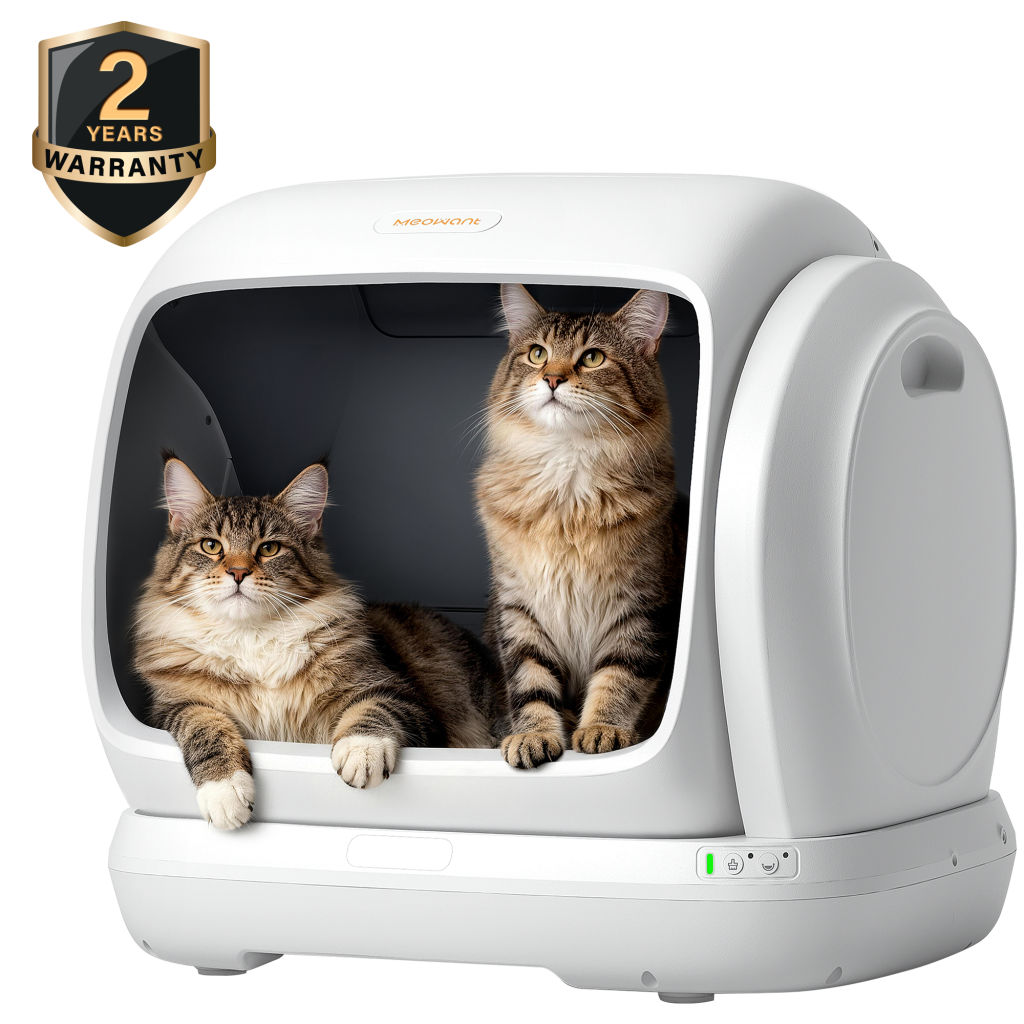
A self-cleaning litter box serving multiple cats needs generous dimensions in every respect. The litter bed should comfortably accommodate your largest cat with room to turn and dig naturally. Equally important is waste bin capacity—undersized receptacles fill within a day or two in multi-cat homes, defeating the purpose of automation. Seek units with waste drawers designed for extended intervals between emptying, ideally five to seven days for two-cat households. The overall footprint should also provide an open, non-cramped entry that won’t deter larger or more cautious cats from stepping inside.
Odor Control Technologies
Effective odor management in an automatic cat litter box relies on multiple layers working together. Sealed waste compartments prevent ammonia from escaping into your living space, while activated carbon filters neutralize odors at the source as air circulates through the unit. Some advanced models, such as those from Meowant, incorporate automatic deodorizing systems or ionizers that actively break down odor-causing molecules between cleaning cycles. In a multi-cat environment where waste accumulates rapidly, these technologies aren’t luxury additions—they’re essential components that determine whether the box genuinely improves your home’s air quality or simply relocates the smell problem to a different container.
Ensuring Safety for Timid or Large Cats
Safety concerns become amplified in multi-cat households because you’re accommodating a range of personalities, body sizes, and comfort levels with a single mechanical device. A bold, curious cat might hop into any box without hesitation, but a timid or anxious feline could be permanently deterred by unexpected noise or sudden movement. Similarly, a large Maine Coon or Ragdoll has very different spatial needs than a petite Siamese. Selecting an automatic cat litter box that works for your most sensitive and your largest cat simultaneously requires careful attention to several design elements.
Noise level is often the most critical factor for skittish cats. Motors that produce loud grinding or whirring sounds during cleaning cycles can create lasting negative associations, causing fearful cats to avoid the box entirely. Look for units that advertise quiet operation below 50 decibels, and consider models that allow you to schedule cleaning cycles with a delay after your cat exits, giving nervous felines time to move away before the mechanism activates. Gentle, slow-moving cleaning actions are preferable to aggressive raking or rapid rotation that might startle a cat still lingering nearby.
Entry design and overall stability deserve equal attention. Wide, low-entry openings accommodate larger cats without forcing them to squeeze or contort their bodies, which can cause avoidance behavior. The unit itself should be heavy and stable enough that even a fifteen-pound cat jumping in or out won’t tip or shift it—an unstable box that rocks or slides creates anxiety for cats of all temperaments. Anti-pinch sensors that immediately halt the cleaning mechanism if a cat re-enters mid-cycle are non-negotiable safety features, protecting curious cats who might investigate during operation. Prioritizing these elements ensures every cat in your household feels secure enough to use the box consistently.
Odor Control Solutions for Multi-Cat Environments
Odor control represents perhaps the single greatest challenge in multi-cat households, and it’s where a well-designed automatic cat litter box proves its worth most dramatically. When multiple cats use shared boxes throughout a twenty-four-hour period, ammonia concentrations rise rapidly—often reaching noticeable levels within hours if waste sits unaddressed. The fundamental advantage of automated systems lies in their ability to remove waste promptly after each use, preventing the chemical breakdown that produces the strongest odors before it even begins. This immediate removal is far more effective than any spray, powder, or scented litter applied after the fact.
Beyond prompt waste removal, the most effective units employ a layered approach to odor containment. Fully sealed waste compartments with rubber gaskets trap smells inside the receptacle rather than allowing them to permeate your home gradually. Carbon filters positioned along airflow paths absorb volatile compounds as they attempt to escape, and these filters should be replaced on a regular schedule—more frequently in multi-cat homes where they saturate faster. Some models feature built-in deodorizing systems that release neutralizing agents automatically, targeting the space inside the litter bed between visits.
You can enhance these built-in technologies with complementary strategies. Position the litter box in a well-ventilated area where air circulates naturally, preventing stagnant pockets of concentrated odor from forming. Use high-quality clumping litter that locks moisture tightly, reducing the surface area exposed to air. Empty the waste drawer before it reaches full capacity, since overfilled compartments compromise seal integrity. Finally, wipe down the interior surfaces weekly with an enzyme-based cleaner to eliminate residual odor molecules that accumulate over time, keeping the entire system performing at its best even under heavy multi-cat use.
Step-by-Step Guide to Selecting the Best Automatic Litter Box
Start by assessing your specific household needs. Count your cats, note the size and temperament of each one, and measure the space where you plan to place the unit. A three-cat home with a nervous rescue and a large breed has very different requirements than a two-cat household with confident, medium-sized felines. Next, revisit the core features discussed earlier—cleaning mechanism, capacity, and odor control—and rank them by priority based on your situation. If your biggest frustration is smell, weight your decision toward models with sealed compartments and carbon filtration. If you have a cat prone to litter box avoidance, prioritize quiet operation and spacious entry design above all else.
Once you’ve narrowed your options, read owner reviews specifically from multi-cat households, paying attention to comments about long-term durability and how frequently maintenance is required under heavy use. Consider your budget not just for the initial purchase but for ongoing costs like replacement filters, proprietary litter requirements, and waste drawer liners. Before making a final decision, run through this checklist: Does it fit your available space? Can your largest cat use it comfortably? Will the waste bin last at least five days between changes? Does it operate quietly enough for your most sensitive cat? Are replacement parts readily available? Answering yes to each of these questions means you’ve found an automatic cat litter box that will genuinely simplify life in your multi-cat home.
Choosing the Right Self-Cleaning Litter Box for Your Multi-Cat Household
Selecting the right self-cleaning litter box for a multi-cat home comes down to three pillars: robust features built for heavy use, safety that accommodates every cat in your household, and odor control powerful enough to handle the demands of shared spaces. The cleaning mechanism must be reliable under continuous operation, the capacity must support multiple cats without requiring daily intervention, and the design must welcome both your largest and most timid feline without causing stress or avoidance.
An automatic cat litter box that checks these boxes transforms daily life for both you and your cats. You reclaim the time previously lost to constant scooping, your home stays fresher, and your cats enjoy consistently clean spaces that support their health and reduce territorial tension. Take the time to evaluate your specific household dynamics, compare options against the criteria outlined here, and invest in a system designed for the realities of multi-cat living. The right choice pays dividends in convenience, cleanliness, and happier cats for years to come.