Why Vaccination Schedules Are Essential For Young Pets
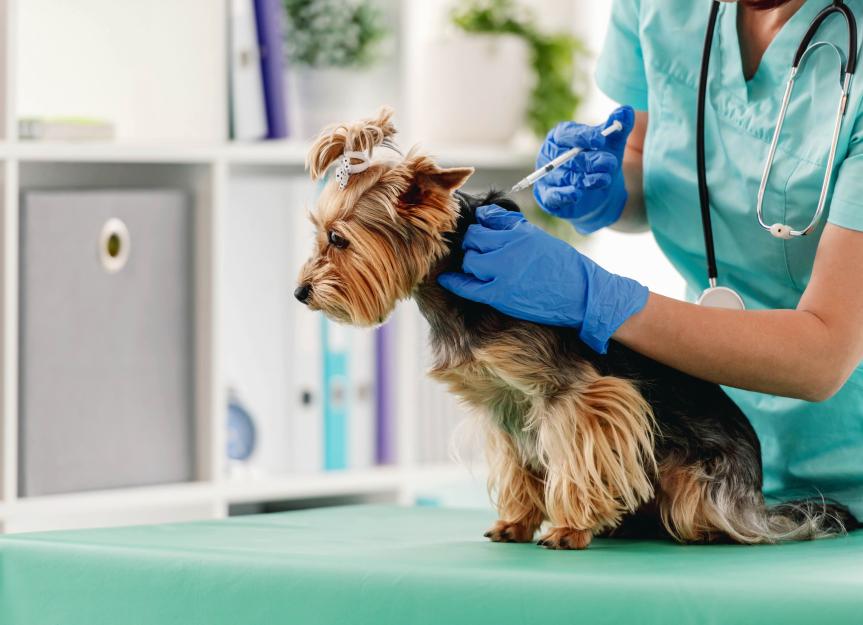
Young pets trust you for everything. Food. Safety. Comfort. They also trust you to protect them from disease. A clear vaccine schedule gives that protection at the right time. Young immune systems are still weak. Common diseases spread fast in homes, parks, and shelters. Some cause lasting pain. Others can kill. You cannot see these threats in daily life. Yet they wait in soil, water, and other animals. A planned series of shots builds a strong defense step by step. Each visit lets a veterinarian check growth and behavior. Each record helps you stay on track. A veterinarian in Belcamp, MD can explain which vaccines your pet needs and when. Missing one shot can leave a serious gap. Waiting too long can erase earlier protection. With a set schedule, you stay ahead of risk. You give your puppy or kitten a real chance at a long, steady life.
Why timing matters for young pets
Puppies and kittens start life with some protection from their mothers. That protection fades fast. Their own immune system must take over. Vaccines teach the system how to fight specific diseases. The catch is that one shot is not enough. You need a series at set times to build and then keep a strong defense.
If you start too early, the mother’s antibodies can block the shot. If you start too late, the infection can slip in before the body learns to fight. A clear schedule strikes the right balance. It gives shots at the age when they work best. It keeps doses close enough together to build a solid wall of protection.
Core vaccines versus lifestyle vaccines
Not every young pet needs every vaccine. Yet some are seen as core. These protect against diseases that are common, severe, and easy to spread. Others depend on lifestyle and local risk.
For dogs, core vaccines usually include:
- Distemper
- Parvovirus
- Adenovirus (hepatitis)
- Rabies
For cats, core vaccines usually include:
- Panleukopenia
- Herpesvirus
- Calicivirus
- Rabies
Noncore vaccines can cover kennel cough, Lyme disease, or feline leukemia. Your pet may need these if they visit day care, board often, hike, or live with other animals.
You can review general guidelines from the Centers for Disease Control and Prevention (CDC) healthy pets resources. Then you can talk with your veterinarian about what fits your home and routines.
Sample puppy and kitten vaccine timelines
Each clinic may adjust timing. Yet most schedules follow a common pattern. The table below shows a simple example. Ages are in weeks.
Example Core Vaccine Timeline for Puppies and Kittens
| Age | Puppies | Kittens |
|---|---|---|
| 6–8 weeks | First distemper combo shot | First FVRCP combo shot |
| 10–12 weeks | Second distemper combo shot | Second FVRCP combo shot |
| 14–16 weeks | Third distemper combo shot and first rabies | Third FVRCP combo shot and first rabies |
| 12 months | Boosters for distemper combo and rabies | Boosters for FVRCP and rabies |
FVRCP is a common cat combo that covers panleukopenia, herpesvirus, and calicivirus. Many dogs and cats also receive lifestyle vaccines during these visits based on risk.
What happens if you miss or delay a shot
Life gets busy. It is easy to forget a date. Yet delayed shots can undo months of careful work. If you miss a visit by a wide margin, your veterinarian may need to restart parts of the series. That means extra visits and more cost. It also means your young pet stays exposed for longer.
Three main problems come from missed shots.
- Gaps in protection that leave your pet open to infection
- Higher risk in high-contact places like parks or boarding centers
- Stress and worry for your family if the disease hits
Rabies shots also connect to public health law. Each state sets its own rules. You can review state and local rabies guidance through resources like the American Veterinary Medical Association rabies information. Your veterinarian can explain how these rules apply to your pet.
Health checks that come with each visit
Vaccine visits are not only about shots. Each appointment gives your veterinarian a chance to catch small problems early. That can spare your pet pain and spare your family shock.
During a routine vaccine visit, your veterinarian may:
- Check weight and body condition
- Listen to the heart and lungs
- Look at eyes, ears, teeth, and skin
- Review behavior and training questions
- Talk about flea, tick, and heartworm prevention
Short, steady visits build trust. Your pet learns that the clinic is a safe place. That trust helps if sickness or injury ever calls for urgent care.
How to keep your pet on schedule
Staying on track takes a simple plan. You do not need complex tools. You only need habits that you repeat.
- Book the next vaccine visit before you leave the clinic
- Set phone reminders for one week and one day before each visit
- Keep a printed record on your fridge or in a pet folder
- Use the same clinic so records stay in one place
If money is tight, ask about payment plans or local support programs. Some communities offer reduced-cost clinics for core vaccines. Your veterinarian can point you toward safe, trusted options.
Giving your young pet a strong start
Vaccination schedules are not just dates on a chart. They are a shield you build for a young life that depends on you. Each shot adds one more layer of defense. Each visit gives your veterinarian a chance to guide you through the early months that shape long-term health.
You cannot control every risk your pet will face. Yet you can give strong early protection against some of the harshest diseases. You can keep clear records. You can ask hard questions. You can follow the plan even when life feels crowded.
Your pet only gets one start. A steady vaccine schedule makes that start much safer.