Why Preventive Dentistry Is Key For Patients Considering Veneers Or Crowns

You may feel ready for a new smile with veneers or crowns. First, you need a healthy mouth. Preventive dentistry protects you from pain, extra costs, and treatment delays. It also gives your veneers or crowns a stronger base. That means fewer cracks, fewer replacements, and fewer long visits.
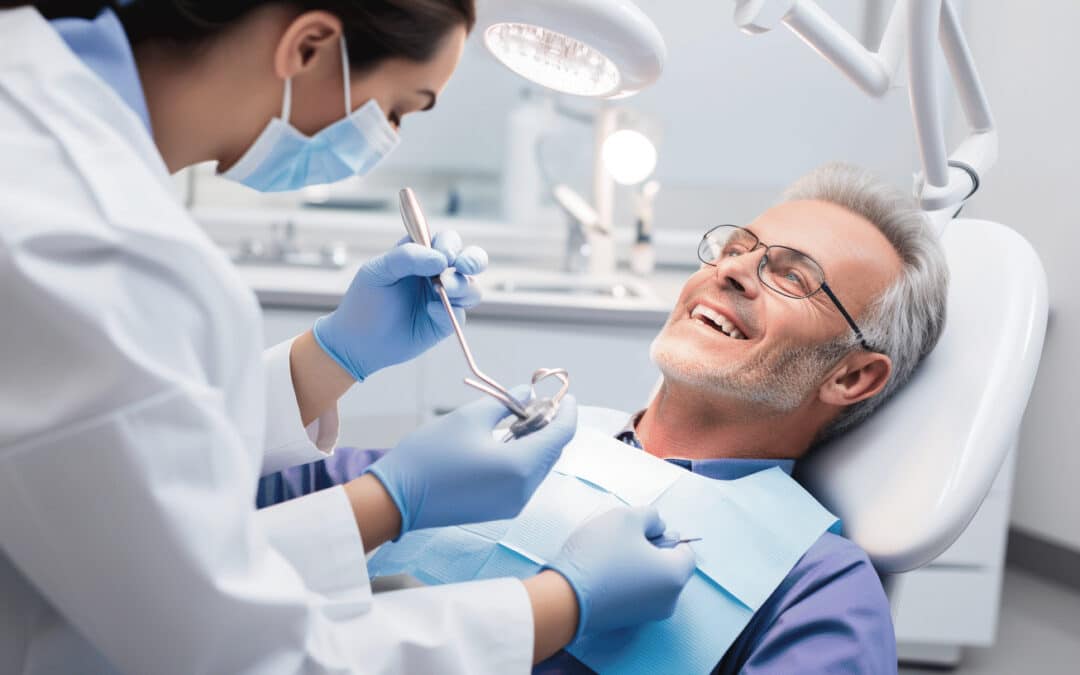
A Springfield dentist will check your gums, bone, and bite before any cosmetic work. This exam finds silent problems like small cavities, grinding, or infection. Then your dentist can treat them early. You avoid surprise root canals or failed crowns later.
Preventive care is simple. You brush. You floss. You keep regular cleanings and checkups. Yet the impact is huge. Strong teeth and calm gums help veneers and crowns look better and last longer.
This blog explains how prevention shapes every choice about veneers or crowns. It shows what to ask, what to fix first, and how to protect your new smile.
Why a “healthy first” plan matters
Veneers and crowns cover teeth. They do not heal teeth. If decay or infection hides under them, the problem grows. Then the tooth can break. The crown or veneer can loosen. You may need a root canal or even an extraction.
Preventive dentistry lowers these risks. It focuses on three things.
- Stop decay before it reaches the nerve
- Keep gums firm and free of infection
- Control wear from clenching or grinding
When you repair small problems first, veneers and crowns last longer. You also spend less time in the chair. You feel more in control of your care.
What your dentist checks before veneers or crowns
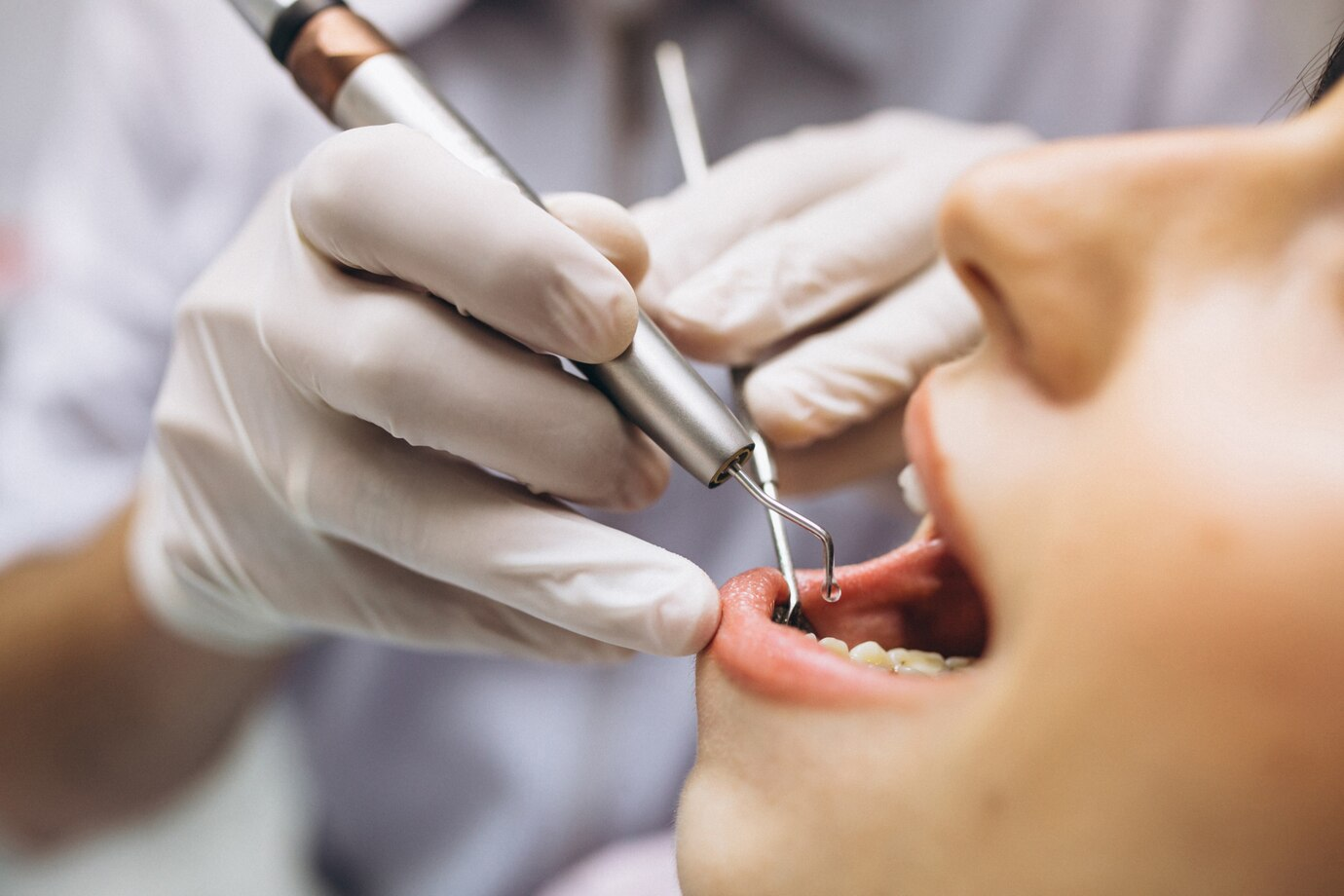
Before a cosmetic plan, your dentist should complete a full exam. That exam often includes:
- Review of your health history and medicines
- Visual exam of teeth, gums, cheeks, and tongue
- X-rays to check roots and bone
- Bite check to see how your teeth meet
- Screening for oral cancer
The National Institute of Dental and Craniofacial Research explains that tooth decay often has no early pain. A full exam finds weak spots before they turn into deep cavities. Early care protects the tooth structure that veneers and crowns need.
Common problems that must be fixed first
Your dentist may find issues that must come before any cosmetic work.
- Untreated cavities. Even tiny ones need fillings so decay does not spread under a veneer or crown.
- Gum disease. Swollen or bleeding gums mean infection. Veneers and crowns on infected gums fail faster.
- Cracks. Small cracks can turn into breaks under chewing force. Early repair lowers that risk.
- Grinding or clenching. Strong bite force can chip new work. A night guard may be needed.
The goal is simple. You want a mouth that is calm, clean, and stable. Then, veneers and crowns have a steady base.
How prevention affects veneer and crown success
Preventive habits before and after treatment change how long your new teeth last. The table below shows how three key habits affect common outcomes.
| Preventive habit | Without the habit | With the habit |
|---|---|---|
| Twice daily brushing with fluoride toothpaste | Higher risk of decay at veneer or crown edges | Lower risk of decay and less plaque buildup |
| Daily flossing or use of interdental cleaners | Gum bleeding and bone loss near treated teeth | Firmer gums and stronger support for crowns |
| Regular cleanings and checkups | Late discovery of cracks, leaks, or decay | Early repair and longer life of veneers and crowns |
These habits look small. Together, they decide how long your smile upgrade holds up under real life.
Daily steps to protect future veneers or crowns
You can start preventive care at home today, even if your treatment is months away.
- Brush twice a day with a fluoride toothpaste for two minutes
- Clean between teeth once a day with floss or small brushes
- Use a soft toothbrush to avoid gum injury
- Limit sugary drinks and snacks between meals
- Drink water often to rinse food and support saliva
The Centers for Disease Control and Prevention notes that fluoride and regular care reduce decay and tooth loss. These same steps protect the teeth that will hold veneers and crowns.
Questions to ask before you start treatment
Clear questions help you and your dentist plan safe care. You can ask:
- Are my gums healthy enough for veneers or crowns right now
- Do I have any cavities that should be treated first
- Is there bone loss around any teeth you plan to treat
- Do you see signs of grinding or clenching
- How often should I return for checkups after treatment
Honest answers guide your choice. You may decide to pause cosmetic work until infections clears. That pause protects your long-term health.
Protecting your investment after treatment
Once veneers or crowns are in place, preventive care does not stop. It becomes even more important. You should:
- Schedule cleanings and exams as often as your dentist advises
- Use any mouth guard that is made for you
- Avoid chewing ice, pens, or very hard candy
- Call early if you feel new pain, pressure, or a change in your bite
Early action can save a veneer or crown that has a small chip or loose edge. Waiting can turn a simple fix into a full redo.
Key takeaway for you and your family
Veneers and crowns can change how you look and how you feel about your smile. They work best on teeth and gums that are already healthy. Preventive dentistry is not extra. It is the first step and the last step.
When you keep decay, gum disease, and grinding under control, you give your new smile a stable base. You also protect your health, your time, and your money. You deserve cosmetic care that lasts. Prevention makes that possible.