Why Education At Dental Visits Creates Stronger At Home Habits
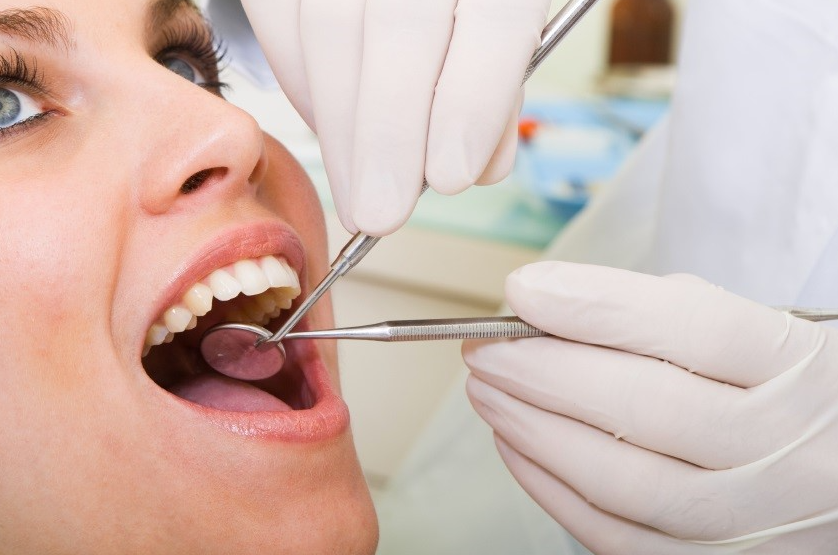
You brush and floss. You still may feel unsure. A visit with your Germantown dentist can change that. At each checkup, you do more than open your mouth. You gain clear steps that turn a daily chore into a steady habit. You learn where plaque hides. You see how hard or soft to brush. You hear what food and drinks hurt your teeth the most. Then you practice these steps at home. This education gives you control. It turns fear into a plan. It makes small choices each day feel worth the effort. When you understand why your gums bleed or why a tooth aches, you stop guessing. You act early. You protect your smile. This blog explains how education during dental visits shapes stronger home care. It shows how clear guidance, honest talk, and simple tools help you keep your teeth and gums healthy between visits.
Why home habits often fall apart
You know you should brush two times each day and clean between teeth. You still skip. You rush. You forget. That does not mean you lack willpower. It usually means you lack clear facts and a simple plan.
Three common problems show up again and again.
- You do not see plaque so it feels harmless.
- You copy brushing from childhood and never update the method.
- You feel shame or fear and avoid thinking about your mouth.
Education during a visit cuts through each problem. You see real pictures. You hear plain words. You leave with three or four actions, not a long lecture.
What you learn during a dental visit
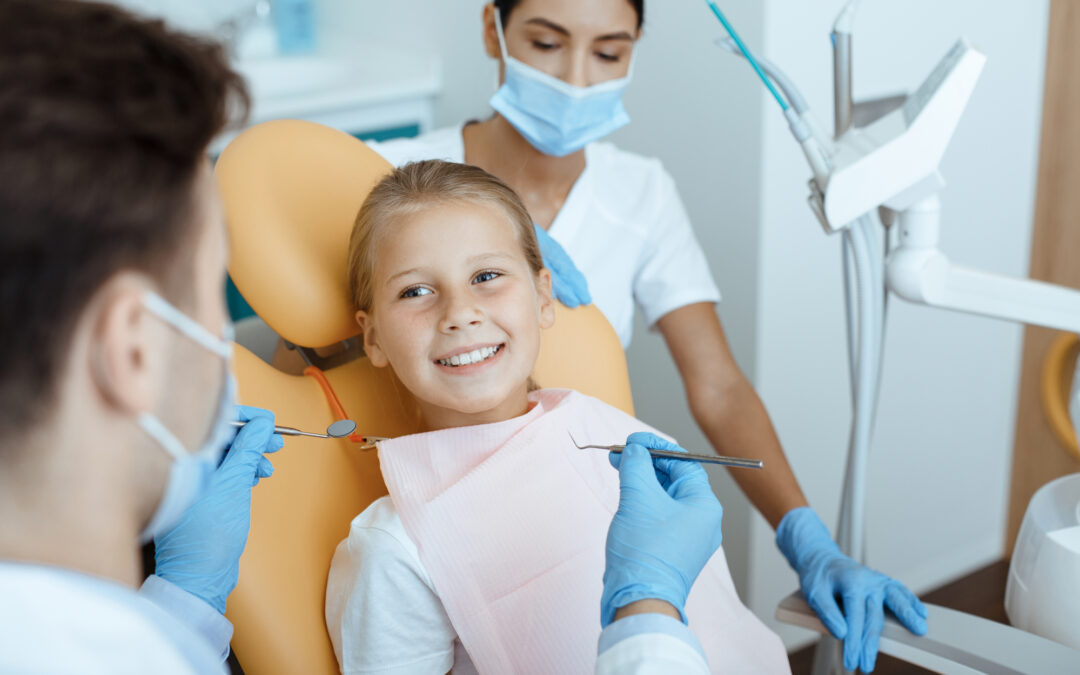
Good dental teams treat and teach at the same time. They use short talks, models, and mirrors. They keep the message clear enough for a child to repeat.
During a visit, you can expect to learn three basic things.
- What is happening in your mouth right now.
- What caused it.
- What you can do this week to change it.
That teaching often covers topics such as
- How plaque and acid weaken enamel.
- How long to brush and where you miss most.
- How floss or other tools reach tight spots.
- How sugar and snacks affect your teeth through the day.
- How tobacco and vaping harm your gums.
You also learn what is normal and what is not. That lowers fear. You stop guessing every time you feel a sting or see a red spot.
How clear education turns into daily habits
Information alone does not change behavior. You need three things. You need a reason. You need simple steps. You need quick wins that you can see or feel.
Education during a visit gives you all three.
- Reason. You see your own x rays or photos. You hear how current plaque can turn into pain or early tooth loss. The risk feels real, not distant.
- Steps. You get exact guidance. For example, “tilt the brush toward the gum line” or “clean between back teeth first.” You can picture it when you stand at the sink.
- Quick wins. You may feel smoother teeth after a cleaning. You may see less pink on the floss. Those small signs keep you going.
This cycle turns a task into a habit you do without debate every night.
What the science says about dental education
Public health research supports strong patient teaching. The Centers for Disease Control and Prevention explains that regular care and home brushing with fluoride toothpaste lowers decay and gum disease.
Studies with children and adults show a pattern. When people receive one-to-one brushing instruction with feedback, plaque scores drop. Gum bleeding drops. Cavity counts fall over time. Education works best when it uses simple words, visual aids, and short practice sessions.
Comparing “treatment only” visits and “treatment plus education” visits
The table below sums up the difference you may notice over time.
| Aspect | Treatment only visit | Treatment plus education visit |
|---|---|---|
| What happens during visit | Cleaning and fixing problems | Cleaning, fixing, and step-by-step teaching |
| Understanding of personal risk | Low. You leave with general advice | High. You know your own risk and trouble spots |
| Home brushing and flossing | Irregular. Technique rarely checked | More steady. Technique checked and corrected |
| New cavities over several years | More likely to rise | More likely to hold steady or fall |
| Chance of early gum disease | Higher | Lower |
| Sense of control | Low. Care feels random | High. You follow a clear plan |
How dental teams teach children and adults
Good education works for every age. It only changes in style.
For children, teams often use three tools.
- Short stories about “sugar bugs” and “strong teeth.”
- Show and tell with large toothbrushes and models.
- Simple rewards for effort. For example, a new brush or sticker.
For teens and adults, teams often use three other tools.
- Photos of plaque build up on their own teeth.
- Plain talk about breath, appearance, and long-term cost.
- Written or digital plans to keep near the bathroom sink.
The National Institute of Dental and Craniofacial Research offers free guides that support this teaching.
Turning your next visit into a learning session
You can shape your own care. During your next checkup, you can ask three direct questions.
- “Can you show me where I am missing plaque when I brush?”
- “What is one change that would help my mouth most this month?”
- “Can you watch me brush or floss and correct my method?”
You can also bring your child and ask the team to model brushing together. You can repeat the same steps at home that night. That shared routine builds trust and keeps everyone on the same page.
Small lessons that protect you for life
Education during a dental visit does more than fill your head with facts. It arms you with simple moves you can repeat in your own bathroom. You gain control of pain, cost, and time.
With each visit, you can learn three new things. You can practice them. You can pass them to your children. Over years, those quiet lessons guard your smile, your speech, and your comfort at the table.
You do not need perfection. You need clear teaching, honest feedback, and a routine you can keep on hard days. Your Germantown dentist can help you build that routine, one visit at a time.