Ultclub Exposed: Uncovering the Hidden World of Stolen Data
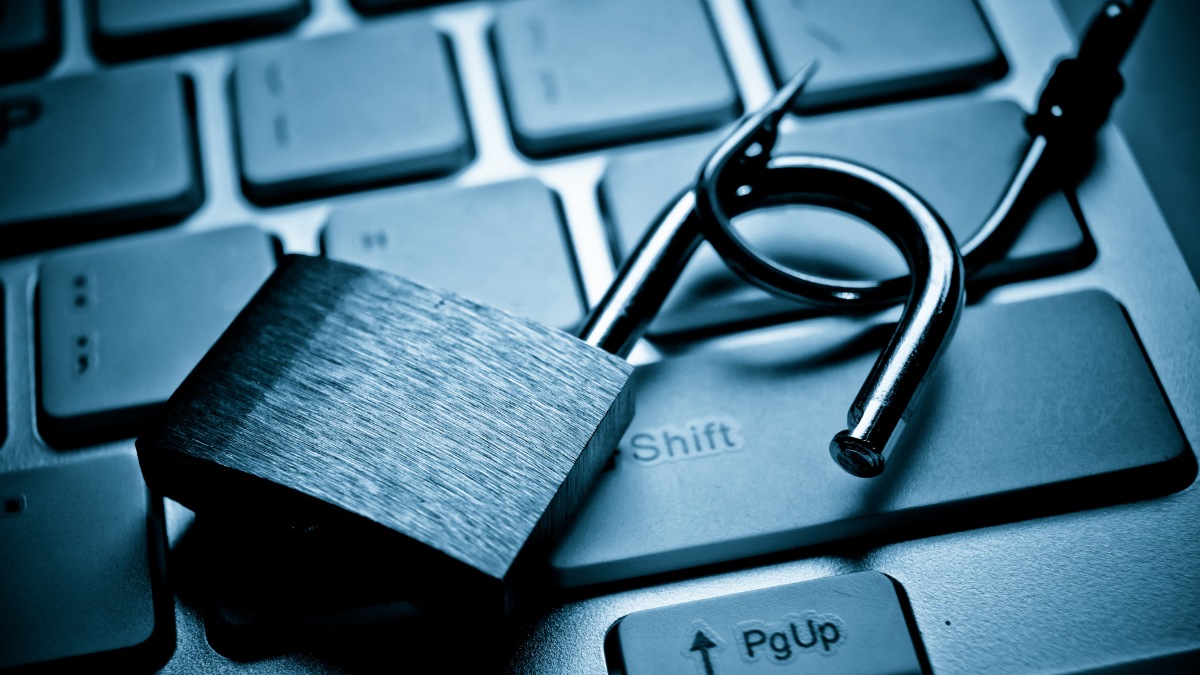
The modern internet is built on data. Every online purchase, login, subscription, and digital interaction generates information that has value. While this data powers convenience and personalization, it has also created a parallel underground economy where stolen information is bought, ultclub sold, and exploited. In cybersecurity discussions, platforms such as Ultclub are often referenced when examining how stolen data circulates through hidden networks.
The phrase “Ultclub Exposed: Uncovering the Hidden World of Stolen Data” reflects a growing global concern: how personal and financial information is harvested, traded, and weaponized in cybercrime ecosystems that operate beyond the visible internet. This article explores how stolen data is collected, how underground markets function, and what risks individuals and organizations face in an increasingly data-driven world.
The Value of Data in the Digital Age
Data has become one of the most valuable resources in the world. Unlike physical assets, digital information can be copied, sold, and reused multiple times without losing its original form. This makes it highly attractive to cybercriminals.
Stolen data may include:
- Full names and addresses
- Email and social media credentials
- Credit card and banking details
- Passport and identity numbers
- Medical and employment records
- Business login credentials
Even small pieces of information can be combined to create detailed identity profiles, which are then used for fraud, impersonation, or unauthorized access to accounts.
How Stolen Data Is Collected
Cybercriminals use multiple techniques to obtain sensitive information. These methods are constantly evolving, but several core strategies remain common.
1. Data Breaches
Large-scale breaches occur when attackers exploit weaknesses in company systems to access databases containing user information. These incidents can expose millions of records at once and are one of the primary sources of stolen data.
2. Phishing Attacks
Phishing involves fake emails, messages, or websites designed to trick users into entering personal information. These attacks often mimic legitimate companies such as banks, delivery services, or social media platforms.
3. Malware and Spyware
Malicious software installed on a device can secretly collect keystrokes, screenshots, and login credentials. Some advanced malware can even bypass security software without detection.
4. Weak Password Practices
Reusing passwords across multiple platforms makes users vulnerable. If one service is compromised, attackers can attempt to access other accounts using the same credentials.
5. Fake Applications and Websites
Fraudulent apps or cloned websites can be used to collect sensitive information from unsuspecting users.
The Journey of Stolen Data
Once data is stolen, it does not remain in one place. Instead, it enters a multi-layered underground economy.
The process typically follows several stages:
Collection
Initial attackers gather raw data from breaches, phishing campaigns, or malware infections.
Aggregation
Data is organized into structured databases, often categorized by type, value, or region.
Distribution
Stolen information is shared or sold to other cybercriminals who specialize in monetization.
Monetization
Final users exploit the data for financial fraud, identity theft, or resale in underground marketplaces.
Platforms like Ultclub are often mentioned in cybersecurity analysis as part of this distribution ecosystem, where stolen data may be exchanged among anonymous participants using encrypted systems.
How Underground Data Markets Work
Hidden marketplaces operate ultclub.tm in ways that resemble legitimate e-commerce platforms, but they function in anonymous and encrypted environments.
Common features include:
- User registration systems
- Vendor profiles and ratings
- Product-style listings of stolen data
- Search and filtering tools
- Cryptocurrency-based payments
- Escrow services to prevent scams
These systems are designed to build trust between anonymous users who have no legal protection or real-world accountability.
Despite their illegal nature, these platforms are often highly organized and structured.
Why Stolen Data Is So Dangerous
The impact of stolen data extends far beyond immediate financial loss.
Identity Theft
Cybercriminals can use stolen information to impersonate victims, open accounts, or commit fraud in their name.
Financial Fraud
Credit card and banking details can be used for unauthorized transactions or online purchases.
Account Takeovers
Email, social media, and cloud storage accounts can be hijacked and misused.
Corporate Espionage
Business credentials may be used to access sensitive company systems or intellectual property.
Long-Term Exposure
Even years after a breach, stolen data can still circulate and be reused in new attacks.
The Role of Dark Web Ecosystems
The dark web plays a significant role in the lifecycle of stolen data. It provides anonymity for users and operators through encrypted networks that conceal identities and locations.
Within this ecosystem, data can move quickly between different actors. One group may specialize in stealing data, another in packaging it, and another in using it for fraud.
Platforms such as Ultclub are often discussed in cybersecurity research as examples of how structured and interconnected these environments can become.
However, it is important to understand that Ultclub represents a broader category of underground systems rather than a single isolated platform.
How Cybersecurity Experts Track These Networks
Cybersecurity researchers and threat intelligence teams monitor underground ecosystems to understand emerging risks.
Their goals include:
- Identifying new attack techniques
- Tracking data breach activity
- Monitoring fraud trends
- Understanding criminal supply chains
- Improving defensive security systems
By analyzing stolen data markets, experts can often detect patterns that help prevent future attacks.
Law Enforcement Challenges
Combating underground data markets is extremely complex due to several factors:
Anonymity Tools
Encryption and privacy networks make it difficult to trace users.
Global Jurisdiction
Cybercrime often crosses multiple countries, complicating legal enforcement.
Cryptocurrency Use
Digital currencies add layers of difficulty in tracking financial flows.
Rapid Platform Changes
When one marketplace is shut down, others quickly emerge to replace it.
Despite these challenges, international cooperation has led to several successful takedowns of major cybercrime operations.
How Consumers Become Victims
Most individuals are affected indirectly rather than through targeted attacks. A single data breach at a service provider can expose thousands or millions of users.
Consumers often become victims through:
- Online shopping platforms
- Social media breaches
- Subscription services
- Mobile applications
- Email phishing scams
Even users who practice good security habits can be affected if a trusted service is compromised.
Warning Signs of Data Exposure
Consumers should watch for signs that their data may have been compromised:
- Unexpected login alerts
- Password reset emails not requested by the user
- Suspicious financial transactions
- Unknown devices accessing accounts
- Increased spam or phishing messages
- Account lockouts or changes
Early detection is critical in reducing potential damage.
How to Protect Personal Data
While no system is completely immune, users can significantly reduce risk through strong cybersecurity practices.
Use Strong, Unique Passwords
Avoid reusing passwords across different services.
Enable Multi-Factor Authentication
This adds an extra layer of security beyond passwords.
Be Cautious Online
Avoid clicking suspicious links or downloading unknown attachments.
Monitor Accounts Regularly
Frequent checks help detect unauthorized activity early.
Limit Data Sharing
Only provide personal information to trusted and necessary services.
Use Security Tools
Password managers and antivirus software can strengthen protection.
The Future of Stolen Data Markets
As technology evolves, so do cybercriminal methods. Artificial intelligence, automation, and advanced phishing techniques are making attacks more sophisticated and harder to detect.
At the same time, cybersecurity defenses are improving through machine learning-based fraud detection, stronger encryption standards, and global threat intelligence sharing.
This ongoing competition between attackers and defenders will continue shaping the future of digital security.
Conclusion
The story behind “Ultclub Exposed: Uncovering the Hidden World of Stolen Data” highlights a critical reality of the digital age: personal information is constantly under threat. Platforms like Ultclub are frequently referenced in cybersecurity discussions because they represent how structured and complex underground data ecosystems have become.
Stolen data is not just a technical issue—it is a global security challenge that affects individuals, businesses, and governments alike. Understanding how data is stolen, traded, and exploited is the first step toward stronger protection.
Ultimately, awareness, strong security habits, and continuous vigilance remain the most effective defenses in a world where data has become one of the most valuable—and vulnerable—assets.