The Hidden Consequences of a Felony Conviction That Can Impact Your Future
Key Takeaways
- A felony conviction can result in significant legal, professional, and societal consequences beyond jail time or fines.
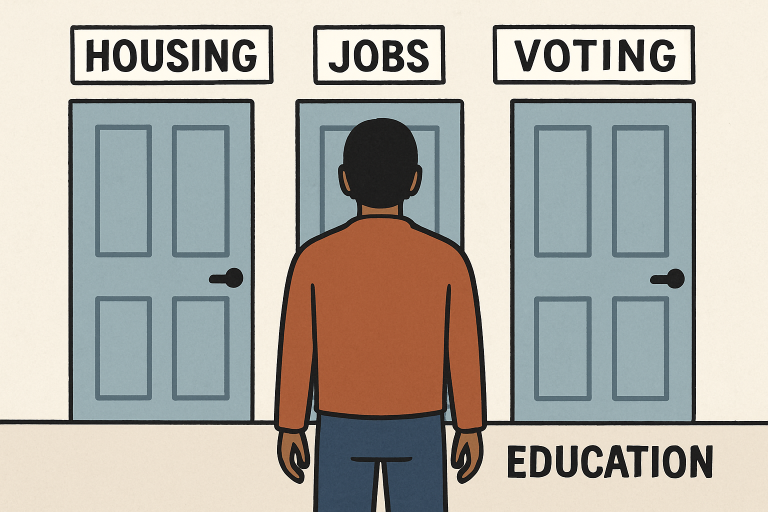
- These consequences often affect housing, employment, education, and social relationships, making reentry into society challenging.
- Understanding and addressing collateral consequences is vital for anyone facing felony charges or navigating life after a conviction.
Table of Contents
- Introduction
- Loss of Civil Rights
- Barriers to Employment
- Challenges in Securing Housing
- Impact on Education and Financial Aid
- Effects on Family and Social Relationships
- Immigration Consequences
- Navigating Collateral Consequences
- Final Thoughts
Introduction
A felony conviction carries lifelong consequences that extend far beyond courtrooms and correctional facilities. While the legal penalties of incarceration, parole, or fines are well known, the lesser-discussed outcomes of a criminal conviction can be just as severe and long-lasting. If you or someone you know is facing felony charges, it is crucial to understand the full range of potential consequences, in addition to securing experienced counsel, such as a Georgia criminal defense lawyer.
Felony convictions can trigger a cascade of restrictions and obstacles that persist even after completing a sentence. These collateral consequences, often hidden at first, can result in the loss of basic civil rights, strained relationships, and diminished opportunities in almost every area of life.
It is important to prepare for these realities and seek assistance to minimize their impact. Some consequences are codified in law, while others arise from public policies, social stigma, or systemic barriers that persist long after formal punishment ends. Understanding these impacts can help those convicted and their families better navigate this new chapter.
The effects of a felony conviction are not limited to adults. Juveniles charged as adults may face the same lifelong repercussions, underscoring the importance of informed legal action at every stage. This article explores the most significant collateral consequences and how to address them.
Loss of Civil Rights
One of the most profound consequences is the loss of certain civil rights. Convicted felons in many states lose the right to vote, serve on a jury, and even hold public office, sometimes permanently. These restrictions erode civic participation and political voice. The process for restoring these rights is often complex, requiring gubernatorial pardons or lengthy court proceedings. According to The New York Times, millions of Americans remain disenfranchised from the ballot box due to felony convictions, which has a marked impact on democratic representation.
Barriers to Employment
The job search can be one of the toughest challenges faced by those with a felony conviction. Many employers conduct background checks and may automatically disqualify applicants with a record, regardless of qualifications or rehabilitation. In some professions, including teaching, government jobs, banking, and healthcare, state or federal laws outright bar felons from employment or professional licensing. This persistent barrier can result in long-term unemployment or underemployment, making reintegration into society more difficult.
Challenges in Securing Housing
Access to stable housing is critical to rebuilding after incarceration, yet felony convictions can make this nearly impossible. Landlords routinely conduct criminal background checks, and public housing agencies often deny access based on prior felony convictions, especially those related to drugs or violence. As a result, many individuals face homelessness or are forced into precarious living situations because of their criminal records. The Vera Institute reports that formerly incarcerated people are 10 times more likely than the general public to experience homelessness, and unhoused people are 11 times more likely to be arrested in the future than people with stable housing.
Impact on Education and Financial Aid
Felony convictions, particularly drug-related offenses, can make pursuing higher education difficult. Some colleges and universities may deny admission, while others implement restrictions. Federal financial aid the lifeline for countless students is often unavailable to those with certain convictions. This major obstacle can stall professional development and upward mobility, keeping affected individuals locked in cycles of instability.
Effects on Family and Social Relationships
Felony convictions can destabilize families and deeply affect relationships with friends and the broader community. They may impact child custody and visitation, leading courts to limit parental rights due to safety concerns or perceptions of fitness. The social stigma of a felony can also make reintegration difficult, straining relationships and isolating individuals from the support networks crucial to recovery. Will & Will discusses how a criminal record carries steep financial consequences that extend far beyond the courtroom, affecting family stability.
Immigration Consequences
Felony convictions can have devastating effects for immigrants, both documented and undocumented. Certain crimes may trigger deportation, denial of naturalization, or bar legal re-entry into the United States. Consequences may occur even if the individual has lived in the country for decades or has strong family ties here. It is essential for immigrants to seek legal guidance when charged with a crime, as immigration laws are particularly strict in these scenarios. Congress.gov provides information on how collateral consequences of criminal convictions serve as barriers to reentry for the formerly incarcerated, including immigration consequences.
Navigating Collateral Consequences
Despite the severity of these hidden consequences, resources and strategies exist to minimize their impact. Legal options such as expungement or record sealing may offer pathways to restore rights and reduce barriers. Community organizations and advocacy groups can also provide support and guidance. Proactive engagement with attorneys, counselors, and social workers is critical for managing long-term effects and advancing stability and reintegration.
Final Thoughts
The ramifications of a felony conviction last long after a sentence is served, affecting virtually every aspect of life. Being aware of these consequences empowers individuals to make informed decisions and seek help early. Those currently charged or recently convicted should connect with legal professionals and advocacy organizations to explore remedies and protect their future. By understanding and actively addressing these hidden consequences, we can reclaim agency and work toward a better tomorrow.


