Salt Lake City Furniture Buying Guide for Daily Comfort
Key Takeaways
- Start with how each room is actually used, not with a passing style.
- Measure the room, delivery route, and clearance needed for doors, drawers, and walkways.
- Choose comfort, materials, storage, and flexibility based on your household’s routines.
- Use fewer well-scaled pieces to keep a Salt Lake City home functional and visually calm.
Furniture should make home life easier, whether a Salt Lake City living room is used for quiet evenings, remote work, family movie nights, or hosting friends after a day in the mountains. Exploring luxury home furniture in Salt Lake City can be a useful starting point, but the best choice is always the one that fits the room, the household, and the way the space is used every day.
Well-chosen furnishings can create a home that feels comfortable without becoming crowded. In a city where homes range from historic bungalows to downtown condos and newer valley communities, scale matters. A beautiful sofa, dining table, or bed is only successful when it leaves room to move, clean, store essentials, and settle in comfortably.
Why Function Comes First
A room should support the people who use it. Before considering colors or finishes, decide whether the space is mainly for relaxing, dining, working, sleeping, entertaining, or storing belongings. A formal chair may look polished, but it is not a practical choice if no one wants to sit in it. Likewise, a large sectional can overwhelm a room if it blocks a doorway or removes needed floor space.
Measure Before Shopping
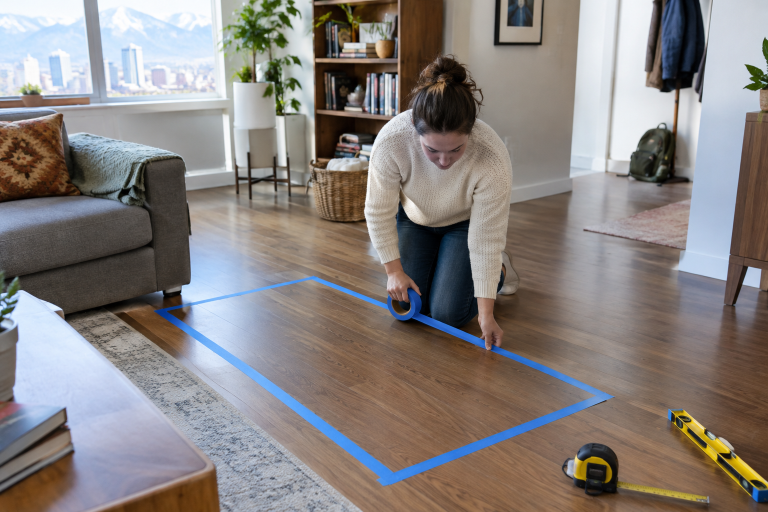
Measure the room’s length, width, and ceiling height, then record the locations of windows, vents, outlets, radiators, and built-ins. Measure entry doors, hallways, stairways, elevators, and tight turns along the delivery path. Mark door swings and cabinet openings. Painter’s tape on the floor is an easy way to test the footprint of a prospective sofa, bed, or table before ordering it.
Match Furniture to Daily Routines
Think through a typical weekday and weekend. A family with pets may prioritize washable upholstery and closed storage. A remote worker may need a compact desk with nearby outlets. Frequent hosts may value extra dining seating or movable side tables. Choose for real habits, including where people set down bags, charge devices, read, eat, and relax, rather than for an imagined version of daily life.
Build Around an Anchor Piece
Most rooms benefit from one anchor piece: a sofa in the living room, a bed in the bedroom, or a dining table in the eating area. Select that item first because its size establishes the room’s scale and purpose. Then add supporting pieces that improve comfort and usefulness without competing for attention. A smaller room often needs a clear focal point more than it needs more furniture.
Create Clear Walkways
Open paths make a room easier to use and help it feel less cluttered. Keep the primary route through the space obvious, and avoid placing furniture where it interferes with a door, drawer, recliner, or cabinet. Keep frequently used surfaces within easy reach of seating. Rugs can define a conversation area or dining zone while still preserving a clear route between rooms.
Choose Comfort With Care
Comfort is more than a soft cushion. Seat depth, seat height, back support, arm height, cushion firmness, and the ease of standing up all affect how a piece feels over time. Sit on sofas and chairs for several minutes whenever possible. Ask whether your feet rest comfortably, whether your back feels supported, and whether the furniture suits the people most likely to use it.
Use Flexible Furniture Wisely
Flexible pieces work best when they solve a specific problem. Storage ottomans, nesting tables, extendable dining tables, modular seating, and fold-away work surfaces can help a room serve multiple purposes. However, avoid paying for mechanisms or features that will be used rarely. In a condo, guest room, or multipurpose family room, simple movable pieces are often more useful than complicated furniture.
Compare Materials and Construction
Materials should fit the household and the setting. Wood can bring warmth, metal may suit a streamlined look, glass needs regular cleaning, and upholstery should match the expected level of wear. Salt Lake City homeowners can also plan for seasonal conditions by reviewing long-term climate records for strong sunlight near windows, dry indoor conditions, and changing temperatures. Ask retailers about frame construction, joinery, finishes, cushion fill, cleaning instructions, and warranty terms.
Plan for Storage and Clutter
Storage works best when it is close to the activity it supports. Use cabinets for games and electronics, a bench for entryway items, a dresser for bedroom essentials, and closed storage for objects that create visual clutter. Open shelving can hold books or meaningful displays, but it needs occasional editing. During winter inversions and periods of wildfire smoke, Salt Lake City residents may spend more time indoors, so keeping living areas organized can make them easier to enjoy.
Avoid Common Furniture Mistakes
- Buying before measuring both the room and the delivery path.
- Choosing oversized pieces that restrict movement.
- Prioritizing appearance over comfort and support.
- Ignoring upholstery care, cleaning needs, and sunlight exposure.
- Buying a full matching set without considering scale or variety.
- Forgetting outlets, vents, lighting, and door clearance.
- Filling every open area instead of leaving room to breathe.
Create a Simple Buying Checklist
- Confirm room measurements and delivery access.
- Identify the room’s primary use and storage needs.
- Test comfort, proportions, and clearance requirements.
- Review materials, care instructions, delivery costs, return policies, and warranties.
- Set a complete budget that includes setup, rugs, lighting, or accessories if needed.
Conclusion
The strongest furniture choices are guided by everyday life. Start by measuring your rooms, doorways, and stairwells carefully, so every piece fits the space and the path it takes to get there. Choose one useful anchor piece, such as a sofa or dining table, and build around it. Protect clear walkways for easy movement, and select materials that suit your household, whether that means kids, pets, or guests. A Salt Lake City home does not need to be filled with furniture to feel complete. It needs comfortable, durable, well-proportioned pieces that make daily routines simpler.