Residential Garage Doors | Summer Maintenance Tips
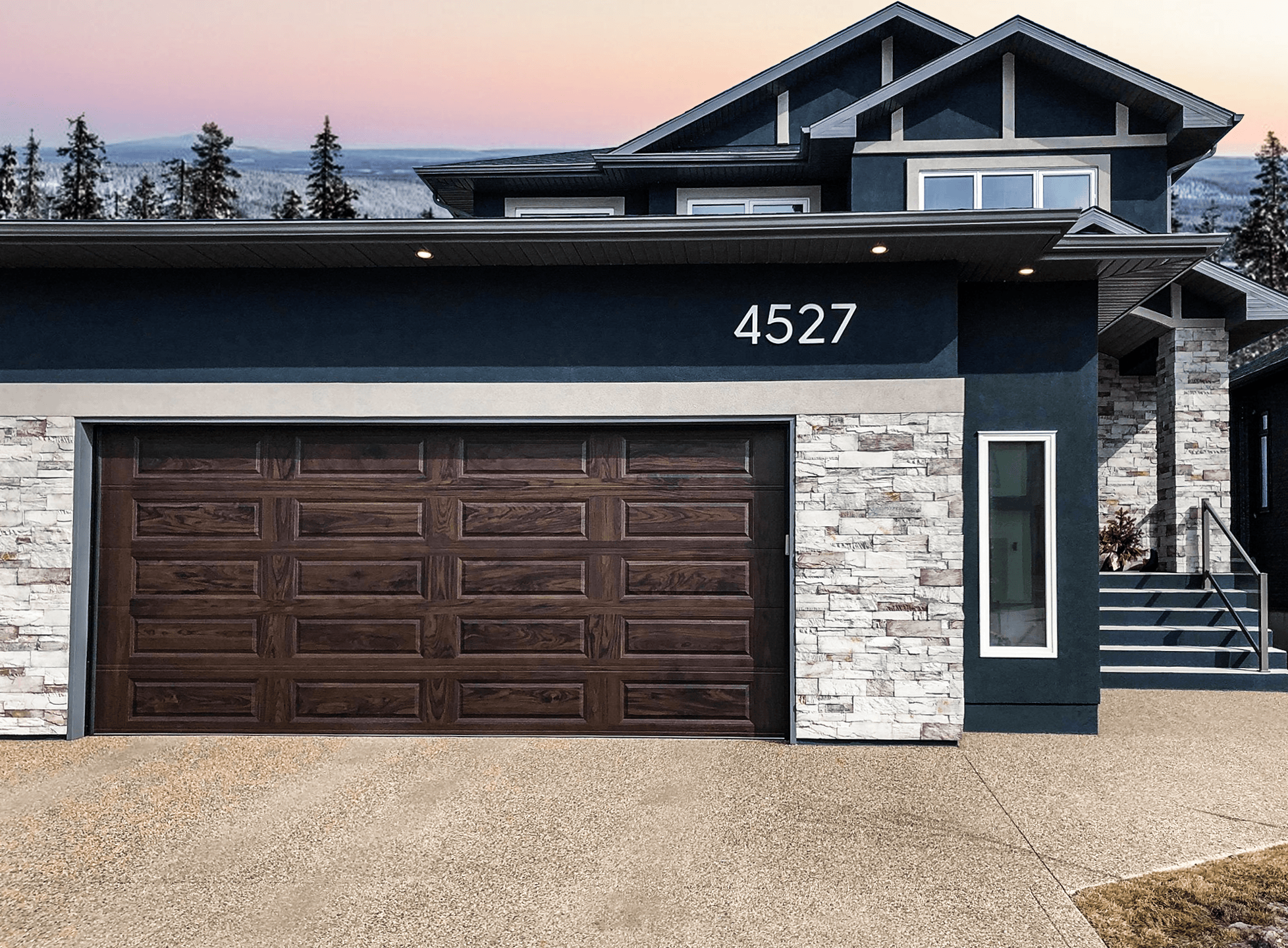
Homeowners should do proper maintenance for their residential garage doors to help prevent unwanted issues this summer. Visit this blog today to learn more.
Summer Garage Door Maintenance Tips for Homeowners
The hot, dry season is finally here, and with it come high temperatures and humidity that can wear down your garage door as you use it. Check out some essential maintenance tips to ensure your garage door runs efficiently this summer.
Inspect the Door and Its Components
Start your residential garage door maintenance with a thorough visual inspection. Look for any signs of wear and tear, rust, or damage. Pay close attention to the following:
· Springs and cables: Do you see signs of fraying or rust?
· Hinges and rollers: Are they loose or worn out?
· Weatherstripping: Has it started to crack, become brittle, or peel away?
Detecting these issues early on can help you prevent minor problems from escalating. If anything looks suspicious or dangerous, it’s best to call an expert rather than try to fix it yourself.
Clean Out Dust and Debris
During summer, dust and pollen build up faster, especially if you live in a dry or windy area. Tiny debris accumulates in the tracks and causes your door to jerk or stick while opening and closing.
Use a broom or vacuum to clean the garage floor and door tracks. Then, wipe down the door’s surface using a mild detergent and water. You can also apply a protective wax after cleaning to prevent sun damage to metal doors.
Lubricate Moving Parts
High summer temperatures can cause garage door components to dry out and make noise. To keep everything operating quietly and smoothly, lubricate all moving parts, including:
● Rollers
● Hinges
● Tracks
● Springs
● Bearings
Use a silicone-based lubricant or a garage door-specific spray. Avoid using heavy grease, as it can attract dust and grime. Proper lubrication reduces noise and extends the life of your hardware.
Check the Balance and Alignment
An unbalanced garage door puts extra strain on the opener and can lead to early motor burnout. To test the balance, follow these steps:
● Disconnect the opening by pulling the emergency release cord.
● Lift the door manually about halfway, and then let go.
If it stays in place, your door is properly balanced. If it falls or shoots upward, the springs may be unbalanced, and you should call a professional technician to adjust them.
Also, check the track alignment of the tracks to ensure the door is moving straight up and down without wobbling. Misaligned tracks can cause damage over time.
Examine the Weatherstripping
The rubber or vinyl weather seal at the bottom of your garage door is vital in blocking heat, dust, pests, and rain. During summer, this seal can dry out, crack, or peel due to exposure to intense sunlight. If your weatherstripping looks worn or is no longer making a tight seal with the ground, replace it. New weatherstripping improves insulation, keeps your garage cooler, and helps lower your energy bills.
Test the Auto-Reverse Feature
Safety should always be a priority. The auto-reverse mechanism ensures your garage door stops and reverses if it senses an object in its path. Here’s how to test it:
Mechanical sensor test: Place a solid object like a piece of wood on the ground where the door would close. The sensor works properly if the door touches the object and reverses direction.
Photo-eye test: Block one of the sensors near the bottom of the door frame as the door is closing. The door should immediately reverse.
If either test fails, clean the photo-eye lenses with a soft cloth to ensure they align. If the issues persist, hire a professional technician for repairs.
Inspect and Secure the Hardware
Residential garage doors open and close frequently, almost daily, causing nuts, bolts, and brackets to loosen over time. Use a wrench to tighten all visible fasteners on the door and track system. Also, check that the brackets are secure and the hinges are firmly in place. This simple task helps prevent rattling, sagging, or misalignment.
Repaint or Reseal the Door
The sun can be brutal on your garage door’s exterior, especially when made of wood or painted material. Fading, cracking, and peeling paint are common summer issues. If your door looks weathered, a fresh coat of paint or wood stain improves curb appeal and protects against UV damage and moisture. Choose a weather-resistant exterior paint, and don’t forget to clean and sand the surface first for best results.
Schedule a Professional Inspection
Even if your garage door is visibly functional, an annual inspection by a professional is always a smart move. Technicians can identify hidden issues, fine-tune the opener, and ensure your system is safe and reliable. Summer is a popular time for home maintenance, so try to book your service early before schedules fill up.
Conclusion
Taking time for garage door maintenance this summer is a wise step for a homeowner. Some of its benefits are spending less, preventing breakdowns, and keeping users safe. With a little effort, you can keep your garage door in top shape through the hottest months and beyond.