Parking Lot Accidents: The Surprising Legal Complexity Behind Low-Speed Crashes
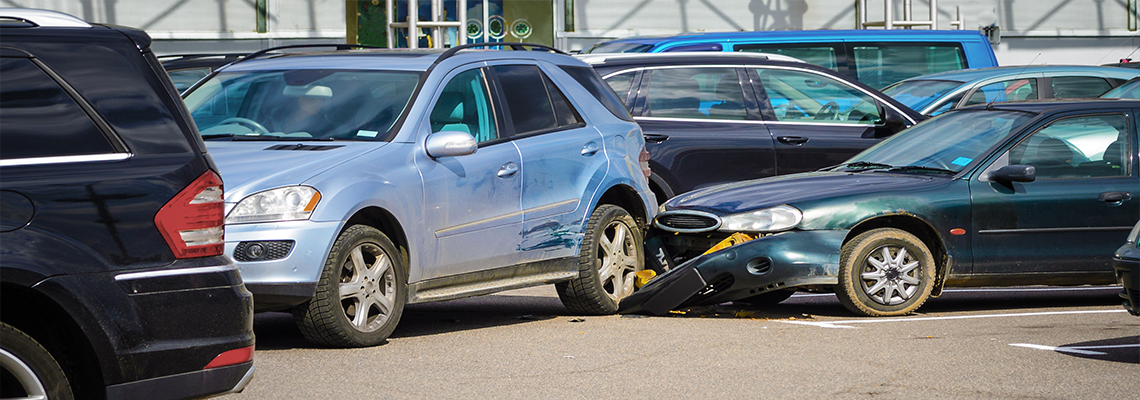
Picture this: you are pulling into a spot at a busy shopping center when another driver swings out of a neighboring space without warning. The bump is mild. Your bumper has a scuff. You both exchange insurance information and part ways thinking it is just a minor fender-bender.
Except it is not always that simple. Weeks later, you are still dealing with neck pain, a disputed insurance claim, and a property management company denying any responsibility for the blind corner where the collision happened.
The reality of parking lot accident liability is far more layered than most people expect. Multiple parties, overlapping legal theories, and Texas’s modified comparative negligence rules can all shape whether you recover full compensation or walk away with much less than you deserve.
The Numbers Behind the ‘Minor Crash’ Myth
Parking lots have a reputation as low-risk spaces. Drivers move slowly. Traffic is sparse. What could go wrong?
Quite a lot, as it turns out.
According to the National Safety Council (NSC), tens of thousands of crashes occur in parking lots and garage structures every year, resulting in hundreds of deaths and thousands of injuries. Industry estimates place the annual injury toll at around 60,000 people, with roughly 500 fatalities.
Data from NHTSA’s Non-Traffic Surveillance system supports these figures, reporting an average of approximately 86,920 injuries per year in off-road, non-public-highway crashes over a recent five-year period, a category that includes parking lot incidents.
Distracted driving compounds the risk. An NSC poll found that 66% of drivers admit to making phone calls while moving through parking lots, with 56% texting and 52% using social media in the same setting. The very place where people assume they can let their guard down is where attention is most likely to lapse.
What does all this mean legally? It means parking lot crashes are common, often under-reported, and they produce real injuries. That context matters when it comes time to build a claim.
Why Parking Lots Create a Legal Gray Area
Private Property, But Not Consequence-Free
Most parking lots at retail centers, hospitals, or office parks sit on private property. This creates a common misconception: that standard traffic laws do not apply, that police will not take a report, and that fault is harder to establish.
Texas courts take a different view. Even though a crash occurs on private land, Texas law still recognizes driver negligence and, critically, the duty of care that property owners owe to visitors. The at-fault driver does not escape liability simply because there was no traffic signal overhead. And the business or property manager who let a dangerous condition persist in that lot does not get a pass because the crash happened away from a public road.
One practical consequence: police often decline to respond to parking lot accidents unless injuries are visible. This means there may be no official crash report, which shifts the burden of evidence collection entirely to the people involved.
Who Can Be Held Liable in a Parking Lot Accident?
This is where parking lot claims get genuinely complex. Unlike a straightforward rear-end collision on a highway, a parking lot crash can involve multiple responsible parties, and identifying all of them is essential to recovering full compensation.
The Other Driver
Driver negligence is the most obvious source of liability. Failing to yield right of way, backing out without checking mirrors, speeding through a lot (recommended speeds are typically 10 to 15 mph), and distracted driving are all behaviors that can establish a negligence claim against the other motorist.
Texas is an at-fault state, which means the driver who caused the crash bears financial responsibility for resulting injuries and property damage.
The Property Owner or Business
This is the layer that surprises most people. Under Texas premises liability law, property owners owe visitors classified as invitees (shoppers, customers, patrons) a meaningful duty of care to maintain reasonably safe conditions on the property. When the parking lot itself contributes to a crash, that duty becomes directly relevant to low-speed crash injury claims that might otherwise be dismissed as too minor to pursue.
Common forms of property owner negligence in parking lots include:
- Blind corners or poorly planned traffic flow that forces drivers into conflict zones
- Faded or missing lane markings that leave drivers guessing about right of way
- Inadequate lighting that reduces visibility after dark
- Missing or damaged speed control measures such as speed humps or signage
- Broken or non-functional security cameras that could otherwise document crashes
A 2024 case against 7-Eleven illustrates the stakes. A $91 million settlement was reached after a pedestrian was struck by a vehicle in a lot that lacked safety bollards. The driver was uninsured, but the property owner’s failure to install basic protective barriers created its own avenue of liability.
As parking design experts have noted, business owners are acutely aware of interior liability (a wet floor, a broken shelf) but frequently overlook the parking lot as an equally serious liability zone. That gap in awareness does not reduce their legal exposure.
Does Insurance Cover Parking Lot Accidents?
Yes. Insurance liability follows the driver, not the type of road. If another driver caused the crash, their liability coverage can still apply to your medical expenses and vehicle repairs, even on private property.
Your own collision coverage may also apply regardless of fault. If the at-fault driver is uninsured or flees the scene, your uninsured motorist coverage could fill the gap.
One important caveat: without a police report, the claims process can become more adversarial. Insurance adjusters may dispute fault percentages more aggressively when there is no official documentation, making it more important to collect your own evidence at the scene.
Who Is at Fault When Two Cars Back Into Each Other?
This is one of the more contested scenarios in parking lot crashes. Texas courts generally evaluate several factors: who had the right of way in the travel lane, whether either driver was speeding, what the sight lines looked like, and whether any property condition (such as a parked SUV blocking visibility) contributed to the collision.
Fault is not automatically split down the middle. Evidence from nearby cameras, witness accounts, and the physical damage pattern on each vehicle all help establish what actually happened. In some cases, the property owner may share responsibility if the lot’s layout forced both drivers into an unavoidable blind conflict.
How Texas Comparative Negligence Rules Work in Practice
Texas follows a modified comparative negligence rule with a 51% threshold. If a court finds you less than 51% responsible for the accident, you can recover compensation. However, your award is reduced proportionally based on your share of fault.
For example: if your damages total $50,000 and you are found 20% at fault, you recover $40,000.
This structure is why insurance companies sometimes try to inflate the injured party’s share of responsibility. If they can push your fault percentage above 51%, your recovery goes to zero. Documenting the scene, preserving evidence of any lot defects, and understanding your rights early in the process can prevent this outcome.
When a property owner’s negligence is part of the picture, Texas law allows that liability to be allocated among all responsible parties. This is sometimes called a third-party claim, and it can significantly expand the pool of compensation available to an injured person. Understanding the full scope of parking lot accident liability means looking beyond just the driver who hit you.
Can You Sue a Property Owner for a Parking Lot Accident?
Yes, under Texas premises liability law, provided you can establish the four required elements: the owner had a duty of care to maintain a safe environment; they breached that duty through negligence or inaction; the breach directly caused the accident; and you suffered compensable damages as a result.
The critical piece is often proving the owner knew or should have known about the dangerous condition. This is why physical evidence of the lot’s condition at the time of the crash is so valuable. Photos of missing signage, faded markings, broken cameras, or design features that create predictable conflict zones all support a premises liability claim.
In cases where the at-fault driver had minimal or no insurance, this third-party avenue can be the most important path to meaningful recovery.
What Evidence Strengthens a Parking Lot Injury Claim
Because police may not respond and no official report may exist, your own actions at the scene carry more weight than in a standard roadway accident. Steps that matter:
- Photograph the entire scene: vehicle positions, damage, lot markings (or the absence of them), lighting conditions, and any posted signage
- Note the time and lighting conditions, especially for incidents that occur in the evening
- Identify any nearby security cameras and ask the business to preserve the footage immediately, as many systems overwrite within 24 to 72 hours
- Collect contact information from any witnesses
- Request medical evaluation even if injuries feel minor; symptoms from soft tissue damage often develop over days
- Report the incident to your insurance provider, but avoid detailed recorded statements before consulting an attorney
The physical layout of the lot itself is evidence. If a poorly marked intersection, inadequate lighting, or a blind corner contributed to the crash, that is documented once a qualified expert evaluates the scene. Lot conditions can change quickly, so acting promptly to preserve this information matters.
Low-Speed Does Not Mean Low-Damage
One of the biggest mistakes injured people make after a parking lot crash is dismissing the severity of the incident because the speeds involved were low. Biomechanically, low-speed impacts can still produce whiplash injuries, soft tissue damage, and back pain that require extended treatment.
Pedestrian safety is even more concerning. NHTSA data indicates that parking lot and driveway-related crashes represent up to 15% to 25% of all reported pedestrian crashes in several studies. A vehicle moving at 10 mph in a parking lot can still cause life-altering injuries to a pedestrian.
Treating the crash as minor because of low speed is exactly the framing that insurance adjusters and property managers rely on to reduce or deny claims. These collisions can produce legitimate, significant injuries that deserve the same careful documentation and legal evaluation as any other motor vehicle accident.
Practical Takeaways for Drivers, Property Managers, and Retail Safety Teams
For Drivers
- Treat parking lots as active traffic environments: check mirrors, signal intentions, and avoid phone use
- Document any accident thoroughly regardless of apparent severity
- Do not assume shared fault is obvious; get the evidence first
For Property Owners and Managers
- Conduct regular audits of lane markings, lighting, signage, and traffic flow patterns
- Install and maintain functional camera systems that cover the full lot
- Address known design defects proactively: blind corners, poorly placed speed humps, and confusing traffic flows are documented liability risks
- Understand that awareness of a hazard and failure to address it strengthens a future plaintiff’s claim significantly
For Retail and Safety Professionals
- Work with parking design consultants to evaluate whether lot layouts meet current safety standards
- Increase signage and speed control features in high-traffic zones, especially around store entrances
- Review incident reports for patterns: recurring accident locations in a lot may indicate a design problem, not just driver error
Final Thoughts
Parking lot crashes occupy an unusual legal space. They happen on private property, often without police involvement, and tend to be dismissed as minor inconveniences. But the legal reality in Texas is that these incidents can involve overlapping negligence claims against drivers, property owners, and the businesses that control the lot.
Understanding how Texas comparative negligence allocates fault, how premises liability law extends responsibility to property conditions, and how to document a claim properly can make the difference between receiving fair compensation and being left to absorb the costs of someone else’s negligence.
If you or someone you know has been injured in a parking lot crash and is uncertain about who bears responsibility, speaking with a personal injury attorney experienced in both motor vehicle accidents and premises liability is a practical first step toward understanding all available options.