Practical Tips for Managing Chronic Pain
Key Takeaways:
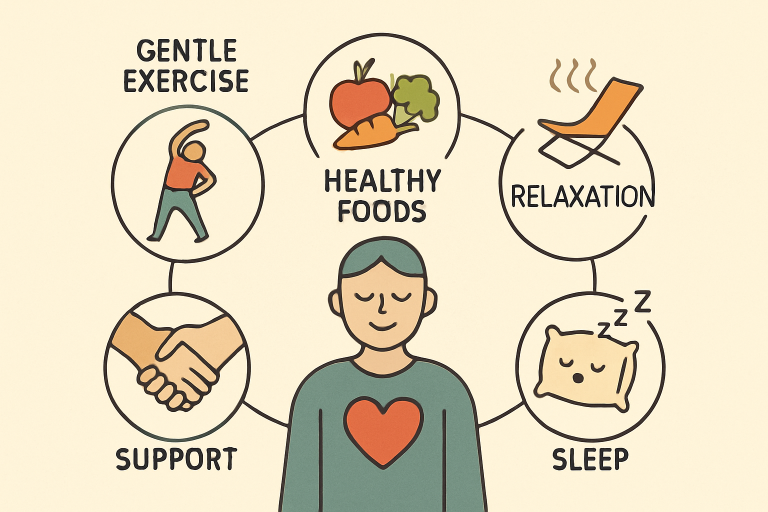
- Incorporate gentle exercise to alleviate stiffness and improve mood.
- Adopt a balanced diet rich in anti-inflammatory foods to reduce pain.
- Utilize relaxation techniques to manage stress and decrease pain perception.
- Ensure consistent, quality sleep to aid in pain management.
- Engage with support systems to enhance emotional well-being.
Living with chronic pain can be challenging, affecting daily routines, work, and overall quality of life. Finding ways to manage discomfort effectively often requires a combination of strategies, from lifestyle adjustments to medical support. Understanding the underlying causes of pain, establishing consistent routines, and incorporating gentle physical activity can help reduce flare-ups and improve overall well-being. Mindfulness techniques, adequate sleep, and stress management are also valuable tools in maintaining balance and minimizing the impact of chronic pain on day-to-day life.
Seeking guidance from healthcare providers can further enhance pain management strategies. For instance, specialists at Midwest Vascular can offer insights into circulatory health, which may contribute to certain types of chronic pain. By combining professional advice with practical, everyday approaches, individuals can create a personalized plan that supports long-term comfort and mobility, helping them maintain independence and participate more fully in their daily activities.
Engage in Gentle Exercise
Physical activity is a cornerstone of chronic pain management. Engaging in low-impact exercises like walking, swimming, or gentle yoga movements helps reduce stiffness and maintain muscle strength while promoting the release of endorphins, the body’s natural pain relievers. Start with small, manageable timeframes and listen to your body. Consulting a physical therapist can ensure you adopt appropriate movements and avoid further injury. Regular movement not only enhances flexibility and mobility but also uplifts mood and lessens the sense of isolation often felt with chronic pain.
Maintain a Balanced Diet
Eating for pain relief involves more than just calorie counting. A diet focused on anti-inflammatory foods, including leafy greens, berries, nuts, lean proteins, and whole grains, can help minimize systemic inflammation that contributes to pain. Omega-3 fatty acids, commonly found in fatty fish such as salmon, are especially valuable for their inflammation-fighting properties. Keep processed foods, added sugars, and excessive red meats to a minimum, as they are known to exacerbate inflammation and discomfort. This mindful approach to nutrition supports both pain management and overall cardiovascular health.
Practice Relaxation Techniques
Managing chronic pain requires nourishing the mind as well as the body. Stress and anxiety can significantly heighten the intensity of pain, making it essential to incorporate calming techniques. Mindfulness meditation, controlled breathwork, and progressive relaxation may ease tension, reduce anxiety, and shift focus away from pain sensations. Techniques such as guided imagery or soothing music can also foster a sense of tranquility, helping break the cycle of stress-induced pain. Incorporating regular mindfulness practices teaches the body to handle discomfort with greater resilience.
Prioritize Quality Sleep
Adequate rest is not just a luxury; it is an essential component of pain management. Sleep deprivation heightens pain sensitivity and reduces the body’s ability to heal. Establishing a consistent routine by going to bed and waking up at the same time daily can help train your body’s internal clock. Make your bedroom a serene sanctuary, free from distractions and screen blue light, and practice habits such as gentle stretching or calming reading before bed. Quality sleep refreshes both body and mind, providing a better foundation for coping with chronic pain day after day.
Build a Support Network
The journey with chronic pain can feel isolating, but connecting with others is a vital resource. Sharing experiences with trusted friends, family, or members of a support group can provide comfort, validation, and practical advice. Mental health professionals, such as therapists specializing in pain or chronic illness, can assist in developing coping strategies and working through associated emotional struggles. Online communities also exist, offering additional resources and a sense of belonging to those who may not have local support options available.
Set Realistic Goals
Setting achievable goals is a powerful motivator on the path to better pain management. Break larger ambitions into smaller, measurable steps and celebrate progress along the way. This could include personal objectives, such as walking a certain distance, achieving a better night’s sleep, or identifying a new healthy recipe each week. The act of working toward specific, realistic goals fosters a sense of accomplishment, increases motivation, and clarifies expectations. Progress should always be measured based on individual capability and comfort, rather than comparisons with others.
Monitor Your Pain
Self-awareness is an undervalued tool in chronic pain management. Keeping a journal to record pain levels, daily activities, dietary habits, and emotional states can uncover patterns and identify triggers for flare-ups. Over time, this detailed information may reveal effective strategies for minimizing pain or indicate when a professional reassessment is warranted. Digital pain-tracking apps can simplify the process by offering helpful charts and reminders. Sharing these records with healthcare professionals improves communication and can lead to more personalized care plans.
Consult Healthcare Professionals
Self-management is important, but professional guidance remains vital. Regular check-ins with pain specialists, physicians, or physical therapists allow you to review and refine your plan as your needs change. They may recommend medication adjustments, physical therapy, alternative therapies like acupuncture, or further diagnostic assessments to ensure all aspects of your health are addressed. Timely consultation ensures you remain proactive, not reactive, about your chronic pain challenges.
Conclusion
Managing chronic pain is a continuous, often evolving process that demands patience, adaptability, and self-compassion. By incorporating evidence-based strategies such as gentle exercise, balanced nutrition, relaxation techniques, quality sleep practices, and robust support networks, individuals can take meaningful steps toward relief and improved quality of life. Consistent effort, regular monitoring, and collaboration with healthcare professionals offer hope for more manageable, fulfilling days ahead.