Post Treatment Smile Maintenance: When To Replace A Retainer And Why
You finally finished your braces or aligners with an orthodontist in Redlands and Loma Linda, you loved the first photos of your new smile, and for a while everything felt worth it. Now you are staring at a worn retainer, a small crack, or teeth that look just a little less straight than they did at the end of treatment, and you are wondering if you are about to lose the result you worked so hard for.end
You might be feeling frustrated. You did what you were told, you wore the retainer, yet no one really explained how long it should last or when it needs to be replaced. You may also be worried about the cost of a new one, or feel a bit guilty because you did not wear it every single night. That mix of worry and confusion is very common.
The short version is this. Teeth naturally try to move throughout life, even after orthodontic treatment. Retainers are not a bonus. They are the long term tool that holds your smile where you want it. Knowing when to replace a retainer and why it matters helps you protect your result, avoid unnecessary tooth movement, and often save money and time in the long run.
Why does my smile try to shift after treatment in the first place?
It helps to understand that your teeth never become “fixed in stone.” The ligaments around them stay flexible, and your jaw and face continue to change with age. That means some level of movement is normal, even if you have been the most loyal retainer wearer.
Because of this, orthodontists now talk about post treatment smile maintenance rather than a simple “retainer phase.” Retainers are not just for a year or two. They are part of looking after your teeth in the same way a toothbrush is.
So where does that leave you if your retainer is uncomfortable, cracked, or simply old. The tension is that you want to avoid relapse, but you do not want to overreact and replace something that is still doing its job.
What problems show up when a retainer is past its best?
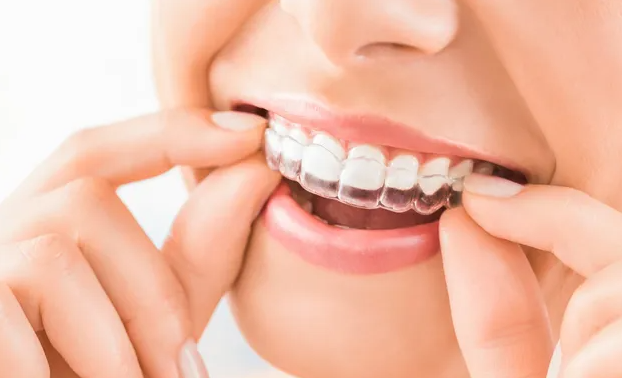
Think about a clear plastic pressure formed retainer that you wear at night. At first it fits tightly and clicks into place. After a couple of years, it might feel loose, or you may notice tiny stress lines in the plastic. Maybe you chew on it in your sleep and the edges are ragged. This is more than a cosmetic issue.
When a retainer no longer hugs the teeth properly, it stops holding them exactly where they should be. That can show up as small gaps returning, teeth rotating slightly, or your bite feeling “off” when you wake up. Emotionally, this can be discouraging. You might think “I am back to square one” or feel angry that no one told you this could happen.
Financially, there is also a quiet risk building. A worn retainer can lead to enough shifting that you end up needing minor retreatment, extra aligners, or more visits to the orthodontist. That often costs far more than a timely replacement retainer would have done.
You might wonder whether a tiny crack or a small bend is really a big deal. This is where a calm, honest look at the “what if” scenarios helps.
For example, imagine two people who finish aligner treatment at the same time. One notices her retainer is loose after a year, contacts her orthodontist, and gets a replacement. Her teeth stay stable, and her only cost is the new retainer and a short check up. The other person ignores a cracked retainer, wears it on and off, and a year later sees obvious crowding in the lower front teeth. He now needs active treatment again, which is more time, more money, and more stress.
So the question becomes, how do you know when it is time to replace a retainer rather than just “keep an eye on it.”
When should you replace a retainer to protect your smile?
There are some clear warning signs that your retainer replacement should not be delayed.
If you have a removable retainer, it is time for a new one if:
- It feels loose or no longer “snaps” into place firmly.
- There are visible cracks, deep scratches, or pieces missing.
- It has warped, for example after being left in a hot car or near very hot water.
- You see food or plaque trapped in areas you cannot clean properly.
- You notice new movement, such as a front tooth twisting or a gap opening.
If you have a fixed (bonded) retainer behind the teeth, you should see your orthodontist promptly if:
- The wire has come away from even one tooth.
- The wire feels rough, sharp, or is irritating your tongue.
- You notice food catching around it and cannot keep it clean.
- You see movement in the teeth attached to the wire.
National health guidance, such as patient leaflets from UK orthodontic departments, explains that retainers are long term appliances and need care and replacement when worn or damaged. For example, advice on caring for orthodontic retainer appliances highlights that damage, poor fit, or loss means you should contact your orthodontic team promptly rather than stopping wear.
You can read more detailed guidance on caring for different types of retainers in resources such as the NHS leaflet on or the Royal Berkshire advice on
What are the risks and benefits of keeping or replacing a retainer?
Sometimes it helps to see the trade offs laid out clearly. The choice is not only “new retainer or not.” It is about what you are protecting and what you might be risking.
| Option | Short term experience | Long term effect on your smile | Typical cost impact |
| Keep using a worn or cracked retainer | No immediate extra visits. Retainer might feel loose or uncomfortable. | Higher chance of tooth movement. Possible need for retreatment to re straighten teeth. | Appears cheaper now. Often leads to higher costs later if teeth relapse. |
| Stop wearing a retainer completely | No appliance in your mouth. No cleaning or care needed. | Teeth very likely to shift over time. Changes can be visible and permanent without new treatment. | No cost today. High risk of paying for braces or aligners again in future. |
| Replace retainer when damage or poor fit appears | One or two appointments. Short adjustment period with the new fit. | Best chance of keeping teeth in their corrected positions. Maintains your smile result. | Upfront cost of new retainer. Often prevents much larger costs later. |
When you see it this way, the “do nothing and hope” option usually carries the most hidden risk.
Three practical steps you can take right now
1. Check your retainer and teeth with a calm, honest eye
Take a few minutes in good light. Look closely at your retainer from all angles. Gently flex it. Any cracks, cloudiness, or warping. Then look at your teeth in a mirror or with recent photos. Do you see even small changes in alignment or gaps that were not there before. If something feels “not quite right,” trust that feeling and plan to get it checked.
2. Protect the retainer you have today
Even if you need a replacement soon, caring for your current retainer matters. Rinse it after each use. Use a soft toothbrush and mild soap or a cleaner recommended by your orthodontist. Avoid hot water, boiling, or harsh chemicals that can warp the material. Always store it in a hard case, not in a pocket or loose in a bag where it can bend or crack. Good care extends the life of every retainer and supports long term orthodontic treatment results.
3. Contact your orthodontist before problems grow
If you suspect your retainer is worn, lost, or no longer fitting, contact your orthodontist rather than guessing. Send photos if they offer that option. Ask directly whether you need a new retainer and what the timing should be. Many small issues can be fixed easily if they are caught early. Waiting often narrows your choices to either accepting a changed smile or paying for new active treatment.
Keeping your smile for the long term
You put time, money, and emotional energy into straightening your teeth. It is completely reasonable to want clear guidance on how to keep that result. A retainer is a small, simple tool, yet it carries a big responsibility. Knowing when to replace it and why it matters gives you back a sense of control.
You do not have to be perfect. You simply need to notice changes, care for the appliance you have, and reach out for help before small problems become big ones. With that approach, post treatment smile maintenance becomes manageable, and your smile can stay as close as possible to the day your braces or aligners came off.
If you are unsure whether your retainer is still doing its job, your next best step is to arrange a review with your orthodontist and ask openly about replacement, fit, and long term wear. Your future self, looking in the mirror years from now, will be grateful you did.