How Weather Impacts Your Roof: Essential Insights for Homeowners
Key Takeaways
- Extreme temperatures cause materials to expand and contract, paving the way for cracks and accelerated deterioration.
- Excessive precipitation, such as rain and snow, can introduce water damage and strain your roof’s structure.
- Consistent humidity fosters mold, mildew, and rot, which can erode roof integrity over time.
- Ongoing maintenance and diligent inspections effectively counteract weather-related issues.
Understanding how different weather conditions influence your roofing system is critical to safeguarding your home and maintaining long-term structural integrity. Climate variations and seasonal shifts can significantly affect your roof, sometimes in ways that go unnoticed until serious damage has occurred. If you live in an area known for rapid weather changes, working with a trusted Littleton roofing contractor can help you stay ahead of potential issues and protect your investment.
From extreme heat and cold to heavy moisture and relentless winds, each weather pattern brings unique challenges. Recognizing these effects and taking proactive measures saves money on repairs and extends the lifespan of your roof, ensuring your home remains a safe haven no matter the forecast.
Effects of Extreme Temperatures
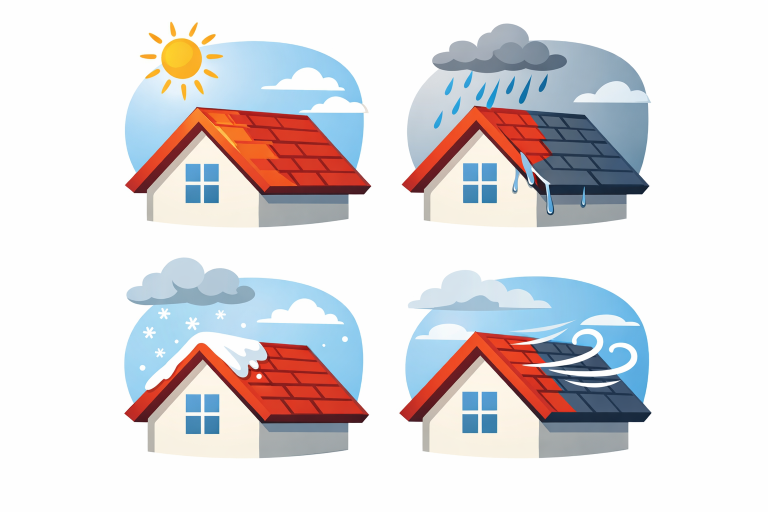
Heat and cold create a relentless cycle of contraction and expansion in roofing materials. In areas with hot summers, roof surfaces absorb intense sunlight, causing elements like asphalt shingles to harden and eventually become brittle. This brittleness often leads to lost granules and exposes your roof to damaging UV rays.
Cold climates present a different set of problems. When temperatures drop, materials contract and may crack. The freeze-thaw cycle, where snow and ice melt during the day and refreeze at night, causes hidden damage. Ice dams can form along roof edges, blocking water drainage and resulting in leaks or shingle displacement. For more information on how temperature extremes impact housing materials, visit the Consumer Reports roofing guide for comprehensive advice.
Impact of Heavy Rainfall and Snow
Precipitation can quietly exploit vulnerabilities in your roof. Even small leaks in flashing or worn-out shingles become glaring liabilities during persistent or heavy rains, leading to interior water damage and compromised insulation. For homes in snowy climates, accumulating snow adds weight, placing a significant load on your roof’s structure and increasing the risk of collapse if not cleared promptly.
Proper drainage, including clean and unobstructed gutters, ensures water does not pool along the roof line. Removing excess snow, particularly after major storms, reduces pressure and prevents costly water damage.
Role of Humidity and Moisture
Persistently high humidity is a hidden threat to roofing longevity. Warm, moist air promotes the growth of algae, mold, and mildew, all of which degrade roof materials and may affect air quality inside the home. Humid conditions can also accelerate wood rot in structural supports, undermining stability.
Effective attic ventilation is your primary defense against trapped moisture. Allowing air to circulate prevents dampness and helps keep heat from becoming excessive in attics, which can otherwise warp the roof deck.
Wind and Storm Damage
Severe weather systems produce high winds that may lift and displace shingles, compromise flashing, and even hurl tree limbs or debris onto your rooftop. Although your roof is built to resist a certain wind load, frequent storm events will inevitably wear down resistant areas, creating openings for future leaks or more significant issues.
Regular inspection, especially after larger storms, is crucial. Early identification and prompt repair help prevent minor damage from developing into major structural problems. Homeowners can learn more about best post-storm inspection practices and standards at the National Roof Certification and Inspection Association’s resource page.
Maintenance Tips to Prolong Roof Life
- Schedule annual roof inspections and after every major weather event to catch issues early.
- Keep gutters and downspouts clear of debris to allow for efficient drainage and prevent water buildup.
- Trim back any branches hanging over your roof to reduce the likelihood of physical damage.
- Maintain adequate attic ventilation to prevent heat and moisture problems from building up.
Choosing Weather-Resistant Materials
Your local environment should play a major role in the materials you choose for a new roof or replacement. Metal roofing excels in regions that experience frequent storms or heavy snowfall and can reflect heat in hotter climates, keeping your home cooler. Certain asphalt shingles are manufactured to withstand intense wind and hail, while clay or slate tiles offer durability in hot, dry environments.
In recent years, innovations in roofing material technology have introduced composite shingles and synthetic tiles that replicate the look of traditional materials while providing increased resistance to weather and aging. Investing in these advanced options may bring an upfront cost, but they offer an additional layer of protection against diverse climate stressors, ultimately reducing long-term maintenance and repair expenses. It’s important to consult roofing professionals to determine which option best suits local climate patterns and overall structural needs.
When to Seek Professional Help
Signs like leaks, missing shingles, mold growth, or sagged areas are clear signals to call an expert. Addressing these problems swiftly with a professional inspection and appropriate repairs can stave off major repairs and maintain the value of your property.
Routine maintenance and a proactive approach toward weatherproofing your roofing system are investments in the long-term safety and comfort of your home. By understanding and preparing for the environmental stressors specific to your area, you protect both your property and the people inside.
Finally, keep in mind that regional climate changes driven by broader environmental trends, such as increasingly severe storms or unpredictable temperature fluctuations, may require homeowners to revisit their roofing strategies more often. Stay informed about local weather patterns and consult with contractors familiar with your region, ensuring your roofing system stays robust in the face of ever-evolving weather conditions. Educating yourself and maintaining ongoing communication with experienced professionals is the best way to stay ahead of both expected and unexpected climate impacts.