How to Prepare Your Home Cooling System for Heavy Summer Use

Key Takeaways
- Simple checks can help uncover cooling problems before they turn into major summer breakdowns.
- Filters, vents, thermostat settings, outdoor airflow, and condensate drainage deserve regular attention.
- Homeowners can handle basic upkeep, but electrical, refrigerant, and internal mechanical repairs require a qualified technician.
- Weak airflow, water leaks, unusual sounds, uneven temperatures, and higher energy bills are signs that warrant investigation.
- A recurring seasonal routine makes cooling-system care easier to manage.
When hot weather arrives, an air conditioner may run for hours at a time with little break. A few preventive checks can improve the chances that the system keeps your home comfortable when you need it most. If you notice a problem that goes beyond routine cleaning or a filter change, timely AC repair can help prevent a small issue from creating a larger interruption.
Early maintenance matters because restricted airflow, dirty components, and drainage issues can make a cooling system work harder than necessary. The U.S. Environmental Protection Agency recommends checking home cooling systems in spring, including keeping outdoor HVAC equipment clear and arranging pre-season service when appropriate.
Start With a Simple Home Cooling Check
Begin with a visual inspection that requires no specialized tools. Turn the system off before cleaning around equipment, and never remove panels that could expose electrical components. Then work through a few basic checks:
- Make sure the thermostat display is working and set to cooling mode.
- Confirm that supply vents and return vents are open and not blocked by furniture, rugs, or curtains.
- Inspect the air filter for visible dust and buildup.
- Look around the indoor unit for water, staining, or musty odors.
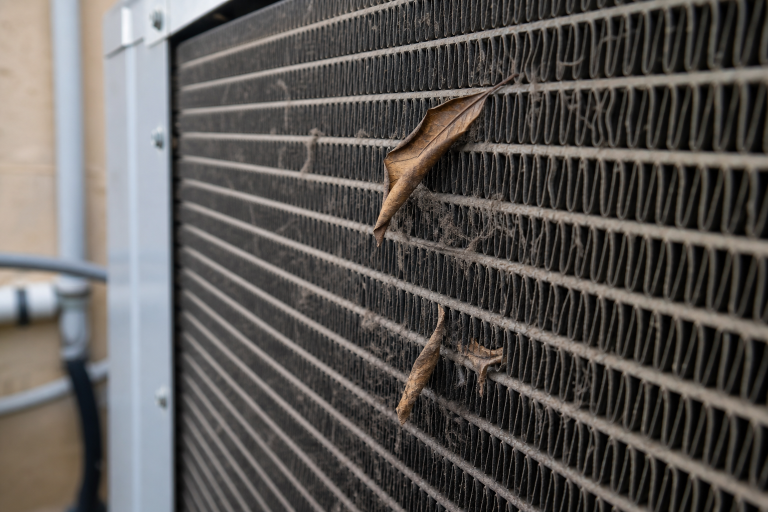
- Check the outdoor unit for leaves, grass clippings, mulch, and other loose debris.
- Listen for sounds that were not present during normal operation.
Replace or Clean the Air Filter
The air filter protects the system from dust and airborne particles while allowing air to move through the equipment. When it becomes clogged, airflow can drop, comfort may suffer, and the system may run longer to reach the thermostat setting. Check it at least monthly during periods of heavy use, especially if you have pets, allergies, frequent open windows, or nearby construction dust.
- Replace disposable filters when they look dirty or when directed by the manufacturer’s instructions.
- Clean reusable filters only as directed by the equipment manufacturer.
- Install the filter with the airflow arrow facing the correct direction.
- Keep the filter size and type consistent with the system’s requirements.
Keep the Outdoor Unit Clear
The outdoor condenser releases the heat removed from inside your home. It needs open space and unobstructed airflow to do that job effectively. Remove loose leaves, grass, twigs, and trash from around the unit, and trim back nearby plants so they do not crowd it. Avoid pushing objects against the cabinet or stacking items on top of it.
Homeowners should not bend coil fins, open electrical panels, or spray water into areas where wiring or electrical parts may be exposed. Coil cleaning, electrical testing, and internal inspection are best handled by a professional service.
Check Airflow Throughout the Home
Uneven cooling does not always mean the air conditioner has failed. A warm bedroom, for example, may be affected by a closed vent, a blocked return, a duct leak, sun exposure, inadequate insulation, or an airflow imbalance. Start by confirming that vents are open and clear, then compare airflow from room to room.
Common Airflow Warning Signs
- One room remains much warmer than the rest of the house.
- Air coming from vents feels weak.
- The system runs for long periods without reaching the set temperature.
- Vents whistle, rattle, or collect dust unusually quickly.
- Some rooms feel stuffy even while the system is operating.
Inspect the Condensate Drain Area
Air conditioners remove moisture from indoor air as they cool it. That moisture travels through a condensate drain. If the drain clogs, water may collect near indoor equipment, cause ceiling stains, create musty odors, or trigger a safety shutoff.
You can safely look for visible water, a full drain pan, or signs of moisture damage. Do not dismantle the equipment or pour harsh chemicals into the drain without clear manufacturer instructions. A technician can inspect the drain line, pump, and related safety controls if water problems return.
Listen for Changes in Sound
A new noise is often an early warning that deserves attention. Rattling can come from loose hardware or debris. Grinding may indicate a motor or bearing problem. Hissing can be related to airflow or refrigerant issues, while banging and persistent buzzing may indicate mechanical or electrical trouble.
Turn the system off and seek prompt professional help if severe noise occurs with smoke, a burning smell, repeated breaker trips, exposed wiring, or visible damage. Do not continue operating equipment that appears unsafe.
Watch Energy Use and Cooling Performance
A higher utility bill alone does not prove that an air conditioner is failing. Extreme heat, thermostat changes, insulation gaps, and increased household activity can all raise energy use. However, a noticeable increase combined with long run times, warm supply air, frequent cycling, or uneven cooling is worth investigating.
As a useful professional benchmark, the ENERGY STAR maintenance checklist recommends annual pre-season checkups and identifies key service items, including thermostat operation, condensate drains, coils, refrigerant levels, and blower components.
Know Which Tasks Require Professional Help
Usually Safe for Homeowners
- Changing or cleaning the air filter.
- Removing loose debris around the outdoor unit.
- Keeping vents and returns open and unobstructed.
- Checking thermostat batteries when applicable.
- Looking for visible water, damage, or unusual operating changes.
Best Left to a Qualified Technician
- Testing electrical components or opening live electrical panels.
- Handling refrigerant or investigating suspected refrigerant leaks.
- Replacing capacitors, motors, compressors, or control boards.
- Repairing sealed-system leaks or damaged ductwork.
- Diagnosing repeated shutdowns, icing, or breaker trips.
Use a Seasonal Maintenance Calendar
Before Heavy Cooling Weather
- Check the filter, thermostat, vents, and outdoor unit.
- Schedule service if you noticed problems during the prior cooling season.
During Heavy Use
- Check filters regularly and keep outdoor airflow clear.
- Watch for water, odors, weak airflow, and unfamiliar sounds.
- Keep doors and windows closed while the cooling is running.
After the Peak Season
- Record recurring comfort or performance issues.
- Review utility bills for unusual changes and arrange needed repairs early.
When Repair May Not Be the Best Long-Term Choice
Replacement decisions should not depend on age alone. Consider the system’s repair history, breakdown frequency, comfort issues, energy use, part availability, and the cost of keeping it running. Ask for a written evaluation that clearly separates necessary repairs from optional upgrades, so you can compare immediate needs with long-term value.
Conclusion
Regular attention can reveal many cooling problems before summer demand peaks. Check filters, preserve airflow, watch for water and performance changes, and call a professional when the work involves electrical parts, refrigerant, or internal repairs. The goal is not to inspect every component yourself. It is important to notice warning signs early and respond safely before a minor concern becomes a major breakdown.