How Technology Is Shaping Safer, Smarter Drilling Consultancy Services for Oil & Gas
Key Takeaways
- Artificial Intelligence (AI) and machine learning are optimizing drilling operations and predictive maintenance.
- Digital twin technology enables real-time monitoring and simulation of drilling rigs.
- Automation and robotics are reducing human exposure to hazardous environments.
- Internet of Things (IoT) devices provide real-time data for informed decision-making.
- Blockchain technology enhances transparency and security in operations.
The oil and gas industry is undergoing a profound transformation as technological innovation continues to redefine what is possible in drilling consultancy services. New solutions designed to improve safety, boost efficiency, and drive more intelligent decision-making are becoming integral to daily operations. As the industry faces increasing scrutiny for its environmental impact and a growing need for risk mitigation, having a strong partner in drilling engineering consulting is more valuable than ever. Companies are leveraging digital advancements to support teams in the field and in offices around the globe by providing a safer, more data-driven approach to operations.
Leading consultancies are using advanced tools and intelligent systems to gather, analyze, and deliver actionable information in real time. This shift is not just about adopting new gadgets, but about completely reimagining how drilling projects are managed and how teams respond to both predictable and unforeseen challenges. With modern technology guiding each step, from planning to execution, industry professionals enjoy a level of control, transparency, and assurance that was previously unattainable.
Technology now sits at the heart of drilling consultancy, resulting in real-world benefits. Consultants are using artificial intelligence, digital twins, automated tools, and highly connected devices to shape workflows that bring measurable improvements in safety and operational outcomes. The latest advances enable continuous monitoring of rigs, prompt fault identification, and scenario planning to mitigate hazards before they occur. As a result, the partnership between human expertise and cutting-edge technological tools is fostering a more resilient and forward-thinking oil and gas sector.
As drilling environments become more complex, so do the risks involved. From remote locations to hazardous conditions, the industry requires ever stronger systems to safeguard workers, assets, and the environment. The adoption of sophisticated technologies is not just a competitive advantage but a crucial step in ensuring that drilling consultancy services remain as safe and effective as possible.
Artificial Intelligence and Machine Learning
Artificial intelligence and machine learning have become foundational to modern drilling consultancy. By processing vast volumes of sensor data, these technologies allow consultants to optimize drilling parameters and identify potential failures well in advance. For instance, machine learning algorithms can interpret live equipment feeds, predicting issues with pumps or motors and preventing costly, potentially hazardous breakdowns.
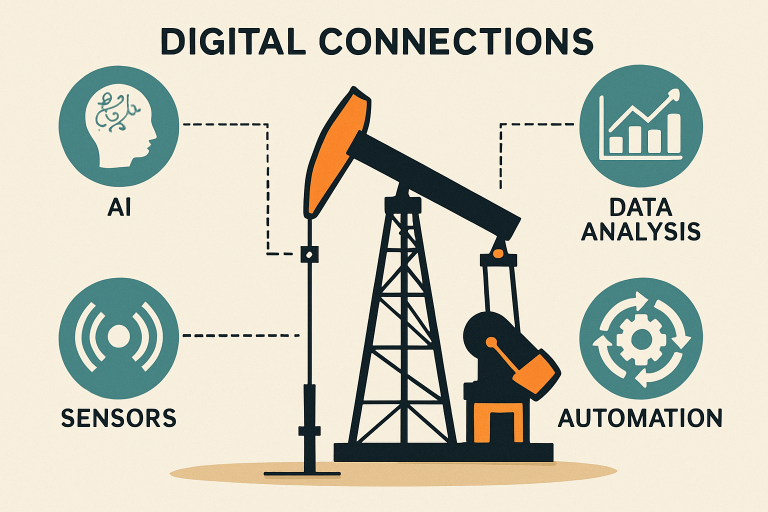
This approach transforms risk management by replacing reactive responses with proactive strategies. When AI supports predictive maintenance, companies achieve better uptime and operational safety, creating a significant competitive edge. According to Forbes, AI-driven analytics are helping organizations strike the right balance between performance and safety, keeping operations running efficiently even in the most challenging environments.
Digital Twin Technology
Digital twin technology provides a virtual representation of physical drilling rigs and related infrastructure. These dynamic models mirror the real conditions of rigs and allow teams to monitor them remotely, run operational scenarios, and predict the outcomes of different decisions. By harnessing digital twins, drilling consultants can anticipate equipment wear, optimize drilling strategies, and troubleshoot issues before they materialize on-site.
This scenario-based approach is a major advancement for drilling safety and cost control. By simulating changes to wellbore pressure or formation dynamics, teams can avoid unnecessary risks and plan with unprecedented accuracy. The real-time aspect of digital twins further enhances situational awareness, elevating both performance and worker well-being. For more on how digital twin technology is transforming the oil and gas sector, consult the Oil & Gas Journal.
Automation and Robotics
Automation and robotics have made significant inroads in drilling operations, greatly minimizing human exposure to hazardous work zones. Automated drilling rigs are now standard on large-scale projects, featuring equipment that autonomously adjusts operational parameters to achieve optimal conditions. These advancements mean fewer workers are required on-site while also achieving consistently high-quality output.
Robotic arms and remote-controlled tools further support the execution of routine but risky tasks such as sample retrieval or drill bit changes, ensuring human workers remain safely outside danger zones. This trend not only addresses workforce safety but also ensures that repetitive or high-precision tasks are completed flawlessly every time. The shift towards automation is helping companies adhere to strict safety standards and drive down the likelihood of costly incidents.
Internet of Things (IoT)
The proliferation of IoT devices in the oil and gas industry is a game-changer for collecting real-time data on-site. Sensors capture critical metrics, including temperature, pressure, vibration, and equipment health, sending this data to centralized platforms for instant analysis and decision-making. As a result, drilling consultants can identify performance issues, optimize fleet management, and execute preventive maintenance with greater accuracy.
This network of connected devices reduces guesswork, empowering leaders to make informed decisions that promote smoother and safer drilling operations. Many IoT implementations also include environmental monitoring, further supporting regulatory compliance and sustainable practices throughout the project lifecycle.
Blockchain Technology
Data integrity and significant transparency are top priorities in drilling consultancy. Blockchain technology satisfies both with its immutable ledgers that record every transaction, equipment update, and decision point without the risk of tampering. Companies thus benefit from a transparent and reliable history of all activities, fostering trust with clients and supply chain partners.
Blockchain also enhances audit readiness and streamlines regulatory reporting, making compliance easier. Its secure and decentralized approach reduces the risk of data breaches, ensuring sensitive information is protected at every step of the drilling process.
Conclusion
The landscape of drilling consultancy in oil and gas continues to evolve as advanced technologies reshape expectations and capabilities. Through intelligent applications such as AI, digital twins, automation, IoT, and blockchain, professionals are enhancing risk management, operational efficiency, and long-term sustainability. As these tools become more deeply embedded in daily workflows, consultancies are poised to deliver safer, smarter, and more resilient solutions to the industry’s most pressing challenges.