How Animal Hospitals Provide Comfort During Chemotherapy
Chemotherapy is hard on you and your pet. The fear, the long visits, and the strange sounds in the clinic can leave you tense and tired. An animal hospital can ease some of that strain. Staff plan each step so you and your pet feel recognized, not rushed. Nurses watch for pain and nausea. They adjust blankets, lighting, and noise so your pet can rest. You hear clear words about side effects and choices. You see gentle handling and calm faces. That steady care can lower your stress and protect your bond with your pet. If you work with a veterinarian in Alexandria, VA, you can expect a plan that fits your pet’s age, health, and daily routine. This blog explains how animal hospitals give comfort during chemotherapy through safe spaces, honest talk, and close follow up.
Creating a calm space from the first step
The visit starts at the front door. A kind greeting and a quiet lobby can ease your fear before treatment even begins. Many animal hospitals now design spaces with comfort in mind.
- Separate waiting spots for dogs and cats
- Soft bedding and non slip floors
- Low volume music to mask sharp sounds
You notice simple touches. Staff speak in low tones. They move with care around scared pets. Lights are softer in treatment rooms. These choices send a clear message. Your pet is not a number. Your pet is a patient who deserves peace.
Clear talk about treatment and side effects
Uncertainty can feel worse than the treatment. Honest talk protects you from that weight. A strong oncology team explains what chemotherapy can and cannot do. You hear what to expect in plain words. You also hear what is unknown.
Trusted sources such as the American Veterinary Medical Association share that pets often handle chemotherapy better than people. Your veterinarian explains that the goal is comfort and time, not harsh doses that break the spirit of your pet.
During consults you can expect three things.
- Simple charts that show the treatment schedule
- Lists of common side effects and when to call
- Space for your questions and your fears
You leave with written instructions. You also leave with a phone number for urgent concerns. That safety net can ease the lonely hours at home after a long visit.
Comfort tools during chemotherapy visits
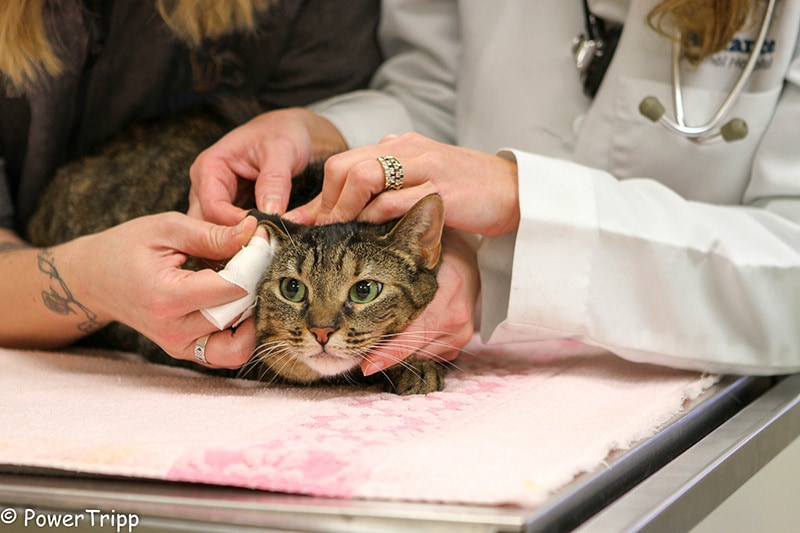
Comfort during chemotherapy is both physical and emotional. Staff watch your pet for small signs of distress. They act early so pain and nausea do not grow.
Common Comfort Steps During Chemotherapy Visits
| Comfort Step | Purpose | What You May Notice |
|---|---|---|
| Pre visit anti nausea medicine | Reduce vomiting and queasiness | Fewer drooling spells and less lip licking |
| Pain control plan | Lower pain from cancer or other disease | More relaxed posture and better sleep |
| Warm blankets and soft bedding | Keep body temperature steady and joints at ease | Pet curls up and settles faster |
| Gentle handling and low restraint | Reduce fear during catheter placement | Fewer struggles and less panting |
| Quiet treatment rooms | Limit stress from noise and motion | Slower breathing and calmer eyes |
Each step seems small. Together they build a treatment day that feels safer for your pet and for you.
Support for you as the caregiver
Cancer affects the whole family. You carry the weight of choices, costs, and time. Animal hospitals that understand this focus on your comfort as well.
- Staff invite you to stay during parts of treatment when it is safe
- They offer a quiet room where you can sit, read, or cry
- They check in on your sleep, appetite, and stress
Many hospitals share handouts and links to support groups. Some use resources like the CDC Healthy Pets guidance to answer questions about safety in the home. You learn how to handle waste after chemotherapy and how to protect children and other pets. This clear talk reduces fear and shame.
Home care that keeps comfort going
Comfort does not stop when you leave the hospital. You become the nurse at home. A strong team prepares you so you do not feel lost.
You may get:
- A written schedule for pills and food
- Tips on hiding medicine in treats
- Signs of trouble that need a call or visit
You also learn simple comfort steps.
- Offer small meals more often
- Keep water fresh and close
- Use non slip rugs to help weak legs
- Set up a quiet corner with a bed and favorite toy
When you know what to watch for you feel less helpless. That calm mood helps your pet as well.
Balancing treatment, joy, and choice
Chemotherapy is not only about more days. It is about better days. A good team checks often to make sure treatment still serves your pet. They ask how many good days you see. They ask what your pet still enjoys. They help you weigh each new drug against your pet’s comfort.
Some families choose full treatment. Others choose lighter plans that focus on pain relief. There is no wrong choice when you act from love and clear facts. Your veterinarian helps you see the tradeoffs in plain terms. You do not face this path alone.
When it is time to talk about goodbye
There may come a point when chemotherapy no longer helps. Animal hospitals that focus on comfort stay with you in that hard space. They offer hospice care with strong pain control. They prepare you for what the final days may look like. They give you time to sit, hold, and say what you need to say.
You hear gentle words, not rushed ones. Staff treat your grief as real. They help children understand what is happening in age appropriate terms. They respect your beliefs and your limits.
How to choose a hospital that values comfort
You can look for three signs.
- Staff answer your questions without hurry
- You see calm handling of pets in the lobby and halls
- You receive written plans for both treatment and comfort
You can ask direct questions. How do you prevent nausea. Where will my pet rest during treatment. Who can I call after hours. Clear, honest answers show respect for you and your pet.
Chemotherapy for pets is never easy. Yet with the right animal hospital, it does not have to feel cold or cruel. Careful planning, gentle touch, and open talk can soften the path. You gain time with your pet that still holds play, quiet moments, and love. That is the comfort your pet deserves. That is the comfort you deserve as well.