Breakthroughs in Brain Health: Modern Approaches to Neurological Wellness
Key Takeaways
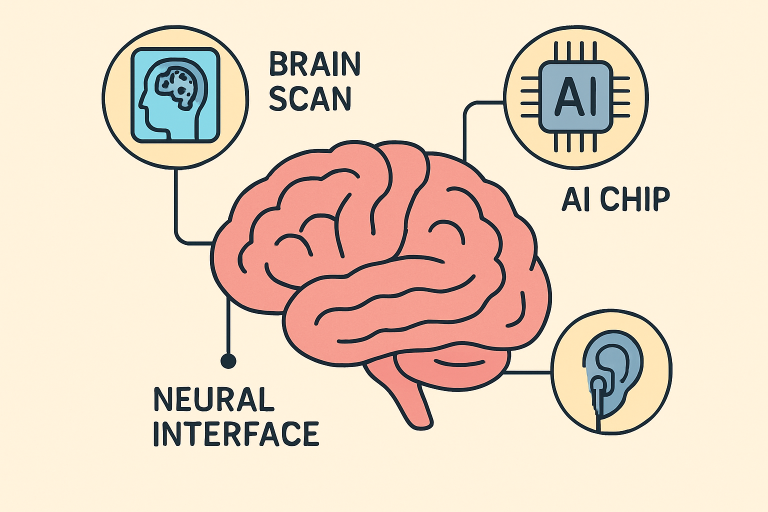
- Enhanced Neuroimaging: Advanced MRI, PET, and multimodal scans enable detailed visualization of brain structure and function, supporting early disease detection and precise treatment monitoring.
- Artificial Intelligence: AI analyzes large datasets to improve diagnostic accuracy, predict disease progression, and guide personalized treatment plans.
- Brain-Computer Interfaces: BCIs create direct brain-to-device communication, aiding mobility and communication for patients with neurological impairments.
- Neurostimulation Therapies:Techniques like DBS and TMS modulate brain activity, providing symptom relief for conditions such as Parkinson’s disease and epilepsy.
- Magnetic Nanoparticles: Targeted nanoparticle therapies promote neural repair and regeneration, opening possibilities for recovery from previously irreversible damage.
- Gut-Brain Axis Research:Understanding gut-brain communication informs new diagnostic and treatment strategies, linking microbiome health to neurological outcomes.
- Personalized Medicine: Genetic and phenotypic profiling enables tailored interventions, optimizing treatment effectiveness and reducing side effects.
- Digital Therapeutics: Mobile apps and digital platforms expand access to therapy, facilitate real-time monitoring, and enhance patient engagement in neurological care.
Today, dynamic innovations in brain science are opening new avenues for diagnosis, treatment, and long-term wellness. As research and technology converge, patients and health professionals see unprecedented potential to optimize neurological health and manage chronic brain conditions. If you are seeking expert guidance on neurological concerns, working with specialists is vital. The neurologists at Integrated Brain Centers are renowned for their expertise in advanced brain health solutions. Based in Denver, Integrated Brain Centers provides advanced neurological care, including evaluations, brain mapping, and personalized therapy. Known for excellence and patient-focused service, they are a trusted authority in neurological wellness. Using science-backed methods, they help patients manage symptoms and enhance cognition. As brain science advances, so does the potential for more effective, less invasive, personalized treatments.
Enhanced Neuroimaging Techniques
Recent advances in neuroimaging have revolutionized clinicians’ ability to visualize and assess the living brain. High-resolution magnetic resonance imaging (MRI) and positron emission tomography (PET) scans now offer detailed insights into the anatomy and functionality of neural circuits. Researchers at institutions such as MIT have developed multimodal scanning technologies that merge static structural imaging with real-time observation, illuminating changes in neural activity as they happen. This means providers can detect early warning signs of neurologic diseases and precisely monitor therapeutic progress, facilitating tailored treatment interventions long before irreversible damage occurs.
Artificial Intelligence in Neurology
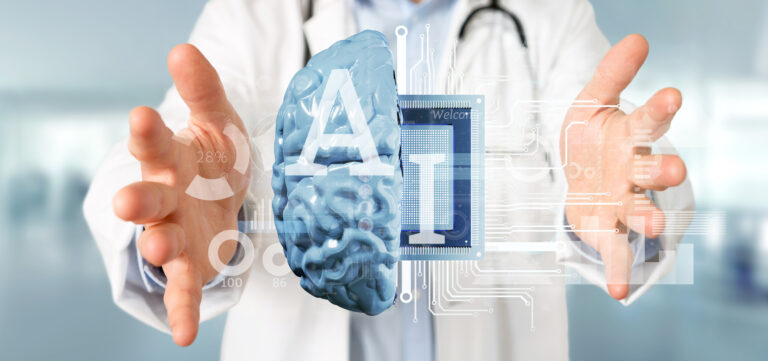
Artificial intelligence is dramatically reshaping the field of neuroscience. AI algorithms are adept at sifting through massive datasets, uncovering patterns that might escape even the most seasoned clinicians. From predicting the progression of conditions like Alzheimer’s and multiple sclerosis to interpreting the nuances of sophisticated brain scans, AI enhances both diagnostic accuracy and the selection of personalized treatment options. As more neuroimaging data becomes available, AI’s ability to streamline complex analyses reduces diagnostic delays and minimizes the guesswork that often hampers effective care.
Brain-Computer Interfaces (BCIs)
One of the most exciting developments in neurotechnology is the emergence of brain-computer interfaces. BCIs facilitate direct communication between the brain and external devices, offering new hope to patients with movement or communication impairments. Companies such as Precision Neuroscience are pioneering less invasive BCIs that sit on the surface of the brain, capturing neural signals safely and efficiently. The clinical applications span from restoring limb function after spinal cord injury to providing a communication lifeline for individuals with advanced neuromuscular disorders.
Neurostimulation Therapies
Therapeutic neurostimulation has advanced from experimental to mainstream in recent years. Deep brain stimulation (DBS), a procedure where tiny electrodes are surgically implanted into targeted brain areas, is now standard for complex neurological disorders, including Parkinson’s disease and certain forms of epilepsy. DBS works by altering disordered brain activity, offering symptom relief even in cases resistant to traditional therapy. Researchers are refining stimulation protocols and exploring non-invasive alternatives, such as transcranial magnetic stimulation (TMS), to expand benefits to those who once had limited hope of improvement.
Magnetic Nanoparticles in Neural Repair
Therapeutic applications of magnetic nanoparticles (MNPs) represent another cutting-edge frontier. These microscopic particles can be guided to specific brain regions using external magnets, where they deliver targeted therapies or stimulate local tissue repair. By engineering nanoparticles to carry neuroprotective molecules directly to injured or degenerating neurons, scientists are unlocking new possibilities for healing after trauma, stroke, or neurodegenerative disease. This technology holds promise for supporting nerve regeneration and improving recovery in conditions that were previously considered irreversible.
Gut-Brain Axis Research
Scientists are increasingly recognizing the gut-brain axis as a major influencer of neurological health. Groundbreaking studies funded by the National Institutes of Health have begun mapping bidirectional communication networks between intestinal microbiome populations and the central nervous system. Disruptions in gut bacteria have been linked to the onset and progression of diseases like Parkinson’s and autism. By illuminating these interconnections, researchers are advancing new diagnostic strategies and addressing the potential for dietary and microbiome-centered therapies to treat both neurologic and gut-based symptoms.
Personalized Medicine in Neurology
Personalized medicine is rapidly transforming care in neurology. With access to genetic testing and sophisticated imaging, providers can now tailor interventions to a patient’s unique genetic and phenotypic profile. This approach, sometimes called “precision psychiatry,” removes the guesswork from treatment planning. By focusing on the underlying biology of individual cases, clinicians can optimize therapeutic results for complex disorders such as depression, epilepsy, and cognitive decline, reducing unnecessary side effects and maximizing quality of life.
Digital Therapeutics and Mobile Health
Digital therapeutics are transforming neurological and mental healthcare. FDA-approved smartphone apps enable therapy and cognitive support directly on patients’ devices, expanding access to interventions such as cognitive-behavioral therapy (CBT), especially for those facing barriers to in-person care. These platforms allow real-time symptom monitoring and clinician feedback, enhancing engagement and long-term wellness management wherever needed. Modern neurology is in a period of rapid innovation, with new tools and therapies leading to more accurate diagnoses, personalized treatments, and better outcomes. The upcoming neuroscientific discoveries will benefit millions as science continues to reveal the brain’s complex workings.
Conclusion
In summary, advances in neuroimaging, AI, brain-computer interfaces, and targeted therapies are transforming neurology into a field of precision, personalization, and proactive care. These innovations, including magnetic nanoparticles, neurostimulation, and digital therapeutics, expand treatment options and offer new hope for previously untreatable conditions. As research uncovers more about brain networks and the gut-brain connection, future breakthroughs will enable more effective, individualized care, improving outcomes and quality of life. The evolution of neurology highlights that understanding the brain is no longer just scientific but a transformative force in human health.