Automatic Gates: Swing or Sliding for Your Property?
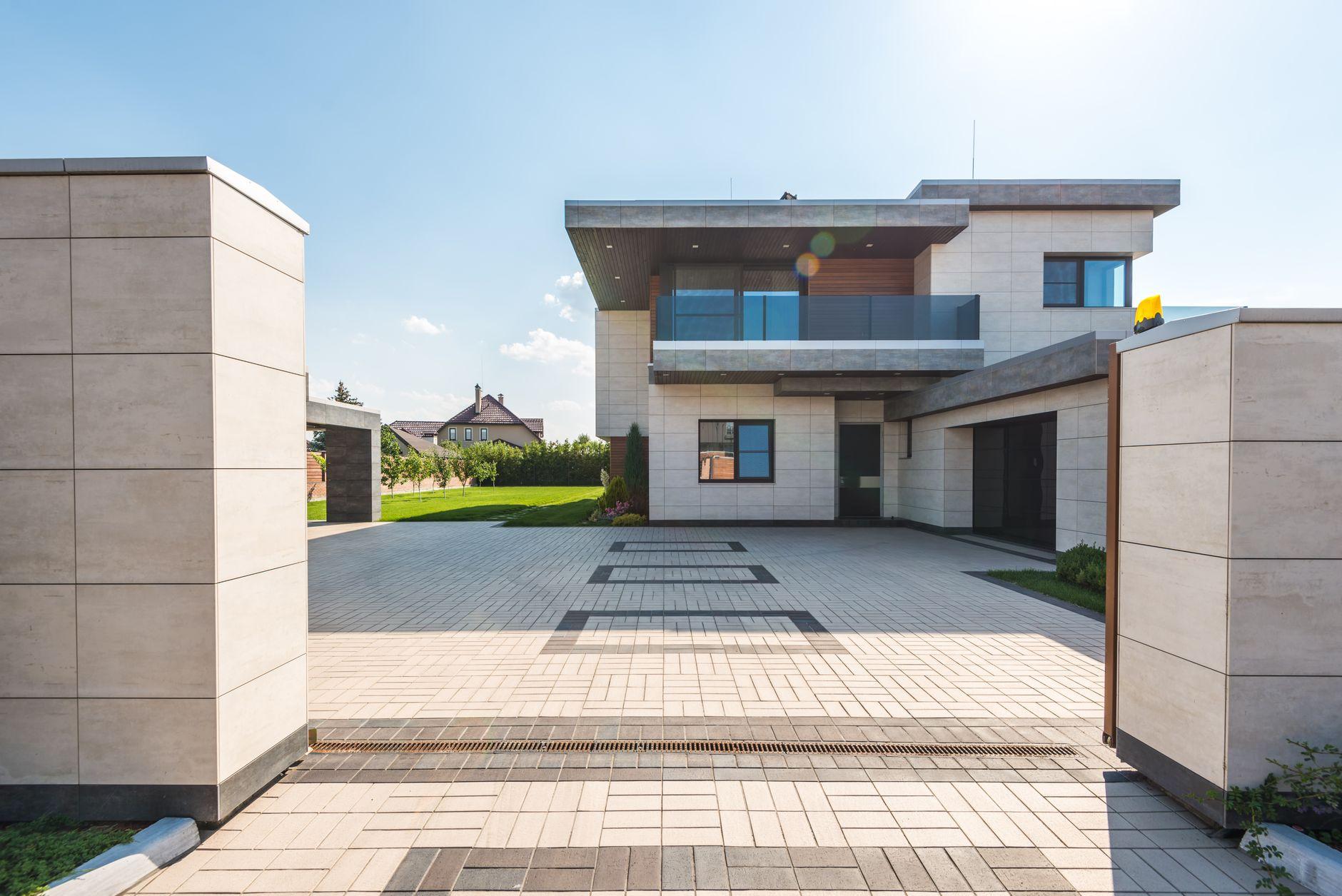
It’s raining, the shopping bags are on the back seat, and someone has to hop out of the car to wrestle with the driveway gate. Almost everyone who ends up buying automatic gates can point to a moment just like that one.
The good news is that the fix is simple. The harder part is choosing the right type, because the two main styles behave very differently once they’re installed. Here’s a friendly walk through how they work, who they suit and what to think about before you commit.
Why people switch to automatic gates
Convenience is the obvious reason. You press a remote as you pull up, the gate opens, you drive in, and it closes behind you. Nobody gets wet, and nobody forgets to latch it.
Then there’s security and privacy. A gate that closes on its own is a gate that’s actually closed, which matters if you have children or pets who like to wander. It also means visitors can’t simply stroll up to the front door.
Looks count too. A well-chosen gate frames a property the way a good front door frames a house. It’s often the first thing a visitor notices.
Swing gates: the classic double-door look
Picture two big doors opening inward or outward from a central point. That’s the idea behind swing gates. A motor moves each leaf (or just one, on a narrow entrance) along an arc.
Where they work well
Swing gates suit properties with a bit of space in front of or behind the entrance, since the gate needs room to travel through its arc. They also tend to be a natural fit for traditional homes, where a pair of timber or metal gates already looks right.
What to watch for
Think about the swing area. If the driveway slopes upward from the street, or a parked car sits close to the gate, the arc can become a problem. A gate that opens inward on a steep rise may scrape the ground, so the layout of your entrance matters as much as the style you like.
Sliding gates: the space-saver
Instead of swinging open, sliding gates glide sideways along the fence line. They don’t need any room in front of or behind the entrance, which is why they’re popular on short driveways and busy streets.
The trade-off is space along the side. The gate needs a clear run next to the opening, roughly equal to the width of the gate itself, so a garden bed, a tree or a shed in that spot can rule it out. It’s worth walking the fence line with a tape measure before you fall in love with the idea.
Many people like sliding gates for their tidy, modern look. They also feel practical on tight blocks, where there’s no spare room for a gate to swing out over the footpath or into the car.
Swing vs sliding at a glance
Question | Swing gates | Sliding gates |
Space needed | Clear room in front of or behind the gate | Clear room along the fence beside the opening |
Best for | Wider driveways with open space | Short driveways and tight entrances |
Look | Traditional, double-door feel | Clean, modern line |
Main thing to check | The arc and any slope | The side run and ground level |
Questions to ask before you choose
Most of the decision comes down to your own site rather than a general rule. A few honest answers will usually point you in one direction.
- Where is the spare space? If it’s in front of or behind the gate, swing may suit. If it’s along the fence, sliding might win.
- Is the driveway flat? Slopes affect both styles, so mention yours to an installer early.
- How do you want to open it? Remotes are the usual choice, but think about whether guests, deliveries or family members will also need access.
- What’s the style of the house? The gate should look like it belongs there.
- Who will use it every day? A gate that’s slow or awkward gets annoying fast, so picture your normal morning routine.
Think about the everyday scenario
Imagine a family with two cars and a dog. They come and go at all hours, and the dog bolts at any open gap. For them, a gate that closes itself reliably is worth more than any particular style feature. Now imagine someone with a short driveway on a busy road. They’ll care far more about not having a gate swing out toward traffic. Same product category, completely different priorities.
Picking automatic gates that fit your daily routine
There’s no single winner between the two styles. Swing gates bring a classic look and work best where there’s room to open. Sliding gates save space at the entrance and need a clear stretch beside it. Measure your site, think about how you actually live, and the right answer tends to become pretty obvious.
If you’re still unsure, talk to a gate specialist and bring your measurements, a few photos of the entrance and a note about any slope. With that in hand, choosing automatic gates stops being guesswork. It becomes a simple match between your property and the way you want to come home.