Why Fear Free Practices Are Expanding In Veterinary Clinics
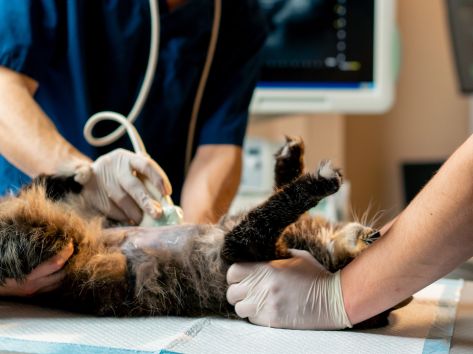
You can usually tell when a pet is scared before anyone says a word. The trembling starts in the parking lot. A cat presses into the back of the carrier. A dog that is gentle at home suddenly growls, freezes, or tries to bolt. Pet owners feel it too. You are already worried about the visit, then the stress of handling, barking, restraint, and bad memories makes the whole appointment harder than it needs to be. That is why working with a small animal veterinarian in DeRidder can make a meaningful difference.
That is the heart of why Fear Free practices in veterinary clinics are growing so quickly. They reduce stress for pets, lower the risk of bites and scratches for staff, and help clinics do better medicine. When an animal is terrified, everything gets harder. Exams take longer. Vital signs can be skewed. Owners delay care because they dread the experience. Fear Free methods aim to change that from the moment a pet enters the clinic.
Fear Free veterinary care is changing the clinic experience
Traditional veterinary visits often relied on speed, firm restraint, and getting through the appointment no matter how upset the animal became. That approach can work in the short term, but it creates fallout. A pet that has one frightening visit may fight the next one harder. The owner remembers it. The team remembers it. Trust drops with every bad experience.
Low stress veterinary care takes a different path. Clinics use calmer handling, quieter spaces, better scheduling, non slip surfaces, treats, pheromones, and breaks when an animal starts to escalate. Some visits are split into shorter sessions. Some pets get pre visit medication so they arrive able to cope instead of already overwhelmed. None of this is about pampering. It is about making care possible and safer.
Staff safety is part of the same story. Fearful animals are more likely to bite, scratch, thrash, and injure themselves or the people handling them. The CDC has guidance on safe animal handling during emergency response, and the same basic truth applies inside clinics every day. Stress changes behavior fast. A scared animal can become unpredictable, even when that pet has never shown aggression at home.
Better handling helps pets, owners, and veterinary teams
You may have seen the cycle yourself. A dog panics during nail trims, then starts panicking in the lobby because the clinic predicts restraint. A cat urinates in the carrier and arrives already shut down. The owner feels embarrassed, apologizes, and puts off the next visit for months. That delay can turn a simple ear infection, dental problem, or skin issue into something much harder and more expensive to treat.
This is one reason fear free veterinary medicine is expanding. It improves follow through. Owners are more willing to return when the last appointment did not feel traumatic. Teams can collect better samples, complete fuller exams, and build a clearer baseline when a patient is not in full survival mode. Even small changes matter. A towel over a carrier, a slower approach, or a few minutes in a quiet room can lower arousal enough to change the whole visit.
Training has also become more accessible. Clinics do not have to invent these methods on their own. Programs such as the AVMA course on fear free and low stress handling techniques give teams practical tools they can apply right away. As more staff members learn how fear affects behavior, the clinic culture shifts from control first to safety and emotional wellbeing first.
Fear Free methods often outperform old clinic routines
| Clinic Approach | Common Short Term Result | Long Term Effect |
|---|---|---|
| Fast restraint and push through exams | Visit may finish quickly if the pet does not escalate | Higher fear at future visits, more staff injury risk, more owner avoidance |
| Calm handling with breaks and rewards | Visit may take a few extra minutes | Better trust, easier repeat visits, more complete care over time |
| No pre visit planning for anxious pets | Pet arrives already over threshold | Harder exams, more sedation crises, delayed care |
| Pre visit notes, medication, and quiet scheduling | Smoother check in and safer handling | Stronger compliance and less fear conditioning |
The financial side matters too. Some people assume these methods cost more because they require staff training and schedule changes. In practice, the old model has costs that are easy to miss. Injured staff, repeated failed procedures, damaged trust, and missed follow up care all drain time and revenue. A calmer patient often means fewer repeats, fewer complications, and less burnout for the team.
Pets benefit medically as well. Stress can raise heart rate, blood pressure, and respiratory rate. It can make pain harder to assess and handling harder to tolerate. If a clinic can reduce fear, the exam becomes more accurate. That is good medicine, not just good customer service.
Small changes make a veterinary clinic feel safer
Many clinics expanding these practices are not rebuilding from scratch. They are adjusting what happens before, during, and after the visit. They ask owners about triggers. They note whether a pet does better in the car, in a side entrance, or in an exam room right away. They teach staff to read body language before the animal reaches the point of panic. They stop seeing fear as bad behavior and start seeing it as information.
That shift is why veterinary clinic teams are adopting these methods across general practice, urgent care, and specialty settings. A frightened pet is not a rare exception. It is a daily reality. Clinics that respond to that reality with better systems tend to see better outcomes for everyone in the room.
Three steps you can take before the next vet visit
Track your pet’s stress signals. Write down what happens before the fear starts. Does your dog panic in the parking lot, or only when staff approach? Does your cat get distressed once the carrier moves? These details help the clinic plan a better visit.
Ask about handling and scheduling options. Request a quieter appointment time, direct rooming, or guidance on carrier covers, treats, and pre visit medication. Clinics that use fear reducing methods usually welcome these questions.
Prepare the pet before appointment day. Leave the carrier out at home, practice short car rides, reward calm behavior, and bring familiar treats or bedding if the clinic allows it. Preparation lowers the odds that the visit starts with panic.
Fear Free care is becoming the standard for good reason
If veterinary visits have felt tense, chaotic, or upsetting, you are not imagining it. Fear changes the whole experience, and it can quietly block the care your pet needs. The expansion of Fear Free care reflects a simple truth. Animals do better when they feel safer, and so do the people caring for them.
If your pet struggles at the vet, ask your clinic what fear reducing steps they offer and how they handle anxious patients. That one conversation can make the next visit easier, safer, and far less stressful.