How to Tell if an Indianapolis Home Needs a Full Plumbing Inspection
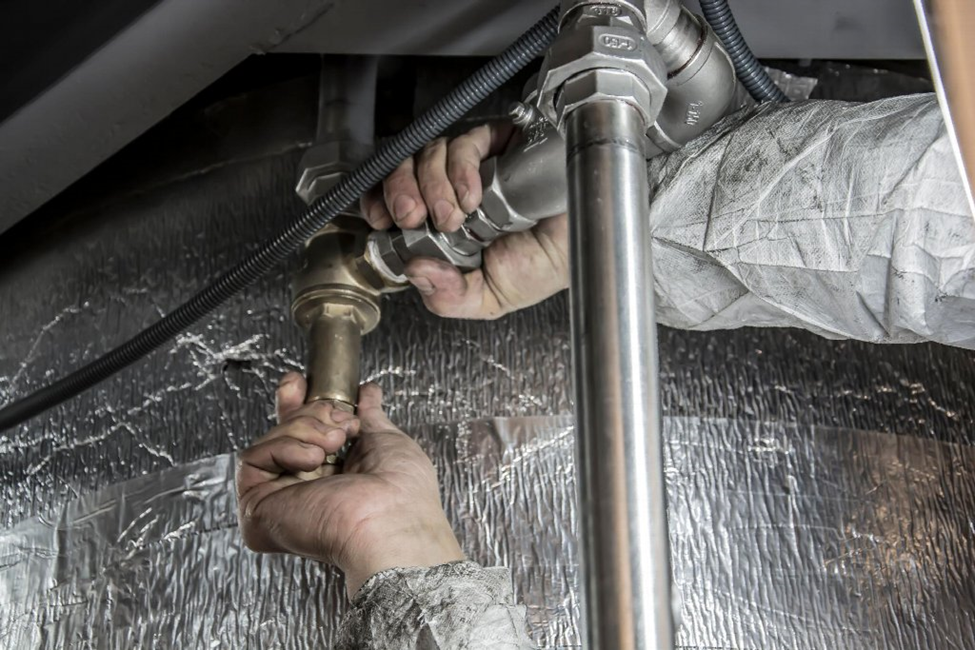
Most homeowners only think about their pipes when something has already gone wrong, but catching problems early often saves significant money compared to dealing with an emergency later. Knowing when to schedule plumbing services Indianapolis homeowners rely on for a full inspection, rather than waiting for a visible leak, can prevent a lot of headaches down the road.
Warning Signs That Often Get Ignored
Slow drains throughout the house, rather than just one sink, often point to a larger issue somewhere in the main line rather than a simple localized clog. This same pattern shows up frequently in calls for Garbage Disposal Indianapolis technicians handle, since a struggling disposal unit can sometimes be a symptom of a bigger drainage problem rather than an isolated appliance issue.
Unexplained increases in the water bill, even without any visible leak, frequently indicate a hidden problem somewhere in the system that only becomes obvious once it has caused significant damage.
Why Home Age Matters More Than People Realize
Homes built several decades ago often still have original piping that was never designed to handle modern water pressure or the increased demand from additional bathrooms and appliances added over the years. Older galvanized pipes in particular are prone to internal corrosion that gradually restricts water flow long before any external symptoms become obvious.
Even homes with updated fixtures can have aging supply lines hidden behind walls, which is exactly the kind of issue a thorough inspection is designed to catch before it turns into a costly emergency repair.
How Seasonal Changes Add Extra Strain
Indianapolis winters bring freezing temperatures that put real stress on pipes, particularly in homes with inadequate insulation around exposed plumbing in basements, crawl spaces, or exterior walls. A pipe that survives mild seasons without issue can suddenly crack or burst once temperatures drop low enough for an extended period.
Scheduling an inspection before winter arrives gives homeowners a chance to identify vulnerable areas and add insulation or heat tape where needed, rather than discovering a frozen pipe problem in the middle of a cold snap, when emergency repairs cost considerably more and take longer to schedule during the busiest season for plumbing calls.
What a Thorough Inspection Actually Involves
A comprehensive plumbing inspection typically covers water pressure testing, checking for slow leaks around fixtures and connections, examining exposed pipes for corrosion, and testing how well drains are actually flowing throughout the house. Technicians may also use camera equipment to check the condition of pipes that are not visible or accessible without opening walls or flooring.
This kind of detailed review gives homeowners a genuine picture of their plumbing system’s condition, rather than just addressing whatever symptom happened to prompt the service call.
Tools That Make Small Diagnostics Easier for Homeowners
A simple water pressure gauge, available inexpensively at most hardware stores, lets homeowners check their own water pressure periodically and catch a gradual decline before it becomes severe enough to notice through daily use alone. Keeping a basic log of pressure readings over time can help identify a slow developing problem long before it turns into an emergency.
Listening for unusual sounds, like banging pipes or gurgling drains, and paying attention to any change in water color or smell, are simple habits that cost nothing but can catch problems a full inspection might not reveal until months later.
What Happens if You Skip Inspections for Too Long
Homeowners who go many years without any professional review of their plumbing system often end up facing multiple issues simultaneously rather than addressing them one at a time as they develop. Small problems that could have been fixed individually and affordably tend to compound into larger, more expensive repairs when left unaddressed for extended periods.
Catching up on deferred plumbing maintenance all at once is also considerably more disruptive to daily life than addressing issues gradually through periodic inspections, since major repairs often require shutting off water to multiple areas of the home at the same time.
How Often Homeowners Should Schedule an Inspection
Most plumbing professionals recommend a full inspection every couple of years for homes with aging systems, and more frequently for homes that have already shown warning signs like slow drains or fluctuating water pressure. Newer homes with modern piping can typically go longer between inspections, though periodic checks still catch small issues before they escalate.
Scheduling an inspection before a major life event, like selling a home or finishing a basement renovation, also helps avoid the kind of unpleasant surprise that often prompts an emergency call for water heater repair indianapolis homeowners could have avoided entirely with a routine checkup months earlier.