7 Essential Electrical Repairs Every Homeowner Should Address
Key Takeaways
- Homeowners should schedule regular electrical inspections to spot hazards before emergencies occur.
- Overloaded circuits and old wiring are common culprits behind electrical fires and should be addressed without delay.
- Complex repairs require professional expertise to ensure safety and regulatory compliance.
Maintaining a safe and functional electrical system is a vital responsibility for homeowners. Electrical issues, if neglected, can quickly escalate into hazardous situations, including fires and dangerous shocks. It is crucial to prioritize regular checks and repairs to ensure home safety. If you are looking for expert guidance or services, contacting a professional like Electrician Denver can help you keep your electrical system secure and up to code.
An updated and well-maintained system not only prevents health and safety risks but also keeps your home running efficiently. Many electrical problems develop silently until it’s too late, resulting in expensive damage or loss. Staying informed and proactive can make all the difference for your home and family.
Addressing Overloaded Circuits
Overloaded circuits are one of the leading causes of residential electrical fires. These occur when too many appliances draw power from the same circuit, causing overheating. Warning signs include flickering or dimming lights, buzzing noises from outlets, or circuit breakers that trip frequently. To prevent overloads, distribute appliances evenly among available circuits and avoid using multiple high-powered devices simultaneously. According to the National Fire Protection Association, overloaded circuits are a significant factor in home electrical fires, underscoring the importance of early intervention.
Replacing Outdated Wiring
Many older homes still rely on wiring that no longer meets current safety standards. Homes built before 1990, especially those with aluminum or knob-and-tube wiring, are at higher risk of electrical failures and fire hazards. Deteriorated insulation and connections continue to deteriorate over time, increasing this risk. Upgrading to modern copper wiring boosts both safety and efficiency. The National Fire Protection Association provides useful data on the importance of keeping home wiring up to date to prevent disasters.
Installing Ground Fault Circuit Interrupters (GFCIs)
Ground Fault Circuit Interrupters, or GFCIs, protect against electrical shocks by immediately cutting power when a ground fault is detected. GFCIs are essential for areas where water and electricity may come into contact, such as kitchens, bathrooms, and outdoor spaces. The Electrical Safety Foundation International notes that GFCI installation could prevent many home electrocutions. It is important to test GFCI outlets regularly to ensure they are functioning properly and replace them if they fail the test.
Upgrading Electrical Panels
Modern families use more electricity than ever, yet many homes still have outdated electrical panels that can’t handle the added demand. Frequently tripped breakers, burning smells, or crackling sounds from the panel are warning signs that upgrades are overdue. Increasing the panel’s capacity helps prevent electrical surges and fire threats. With the widespread adoption of electric vehicles and smart appliances, panel upgrades are more important than ever for home safety and convenient living. The HGTV Guide on Rewiring an Old House offers a thorough explanation for homeowners planning this important update.
Repairing or Replacing Damaged Outlets and Switches
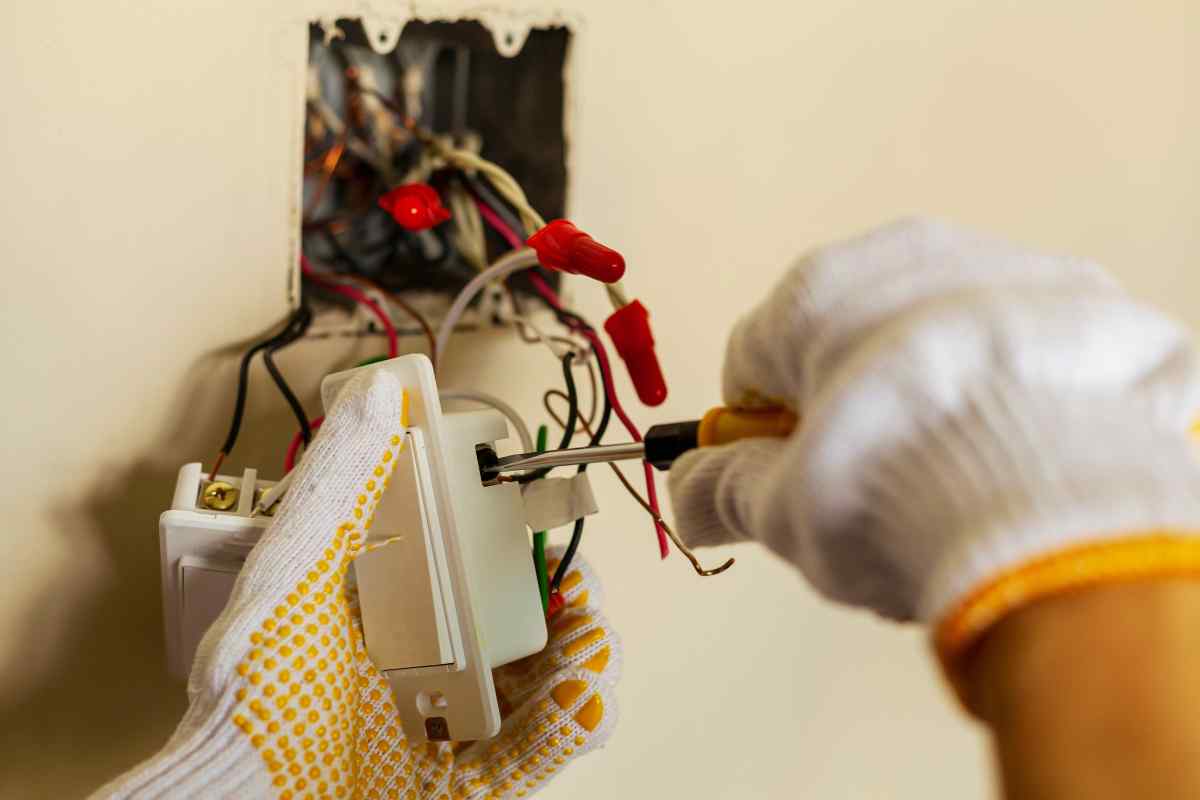
Outlets and switches are the main points where you interact with your electrical system. Signs of damage, including discoloration, melted plastic, or loose-fitting, should never be ignored. Damaged components can cause electrical arcs, producing intense heat and posing a serious fire risk. Immediate repair or replacement ensures continued safety and minimizes the risk of injury or property loss. Always turn off the power before inspecting or attempting to replace these devices, and call a licensed electrician for uncertain situations.
Avoiding DIY Electrical Repairs
Electrical work requires extensive knowledge and must comply with strict safety codes. Even seemingly small repairs, if done incorrectly, can cause fires, electric shocks, or future malfunctions. While DIY projects can be rewarding in some home improvement areas, electrical repairs are best left to licensed professionals. Attempting these fixes yourself risks failing to meet local safety standards and could void insurance or home warranties. Trusting a qualified electrician ensures reliable repairs and continued safety for your family.
Regular Electrical Inspections
Proactive maintenance is key to a dependable and safe electrical system. Scheduling regular electrical inspections with a certified electrician helps identify hidden defects early, such as aging wiring, overloaded panels, and worn connections. These checkups also confirm that your home remains compliant with the latest codes and regulations, minimizing liability and risk. Seasoned professionals have the training to spot problems that might otherwise go unnoticed until serious damage occurs.
Conclusion
Maintaining a safe electrical system is one of the most important responsibilities of homeownership. Small electrical issues can quickly escalate into serious hazards if left unaddressed, increasing the risk of fires, power failures, and electrical shocks. Paying close attention to overloaded circuits, deteriorating wiring, missing GFCI protection, outdated electrical panels, damaged outlets, and faulty connections helps prevent costly and dangerous incidents. Professional inspections can identify hidden concerns before they become major problems. By scheduling routine maintenance and relying on licensed electricians for repairs and upgrades, homeowners can protect their property, improve reliability, and ensure long-term safety.