6 Ways General Dentistry Practices Are Adapting To New Technologies
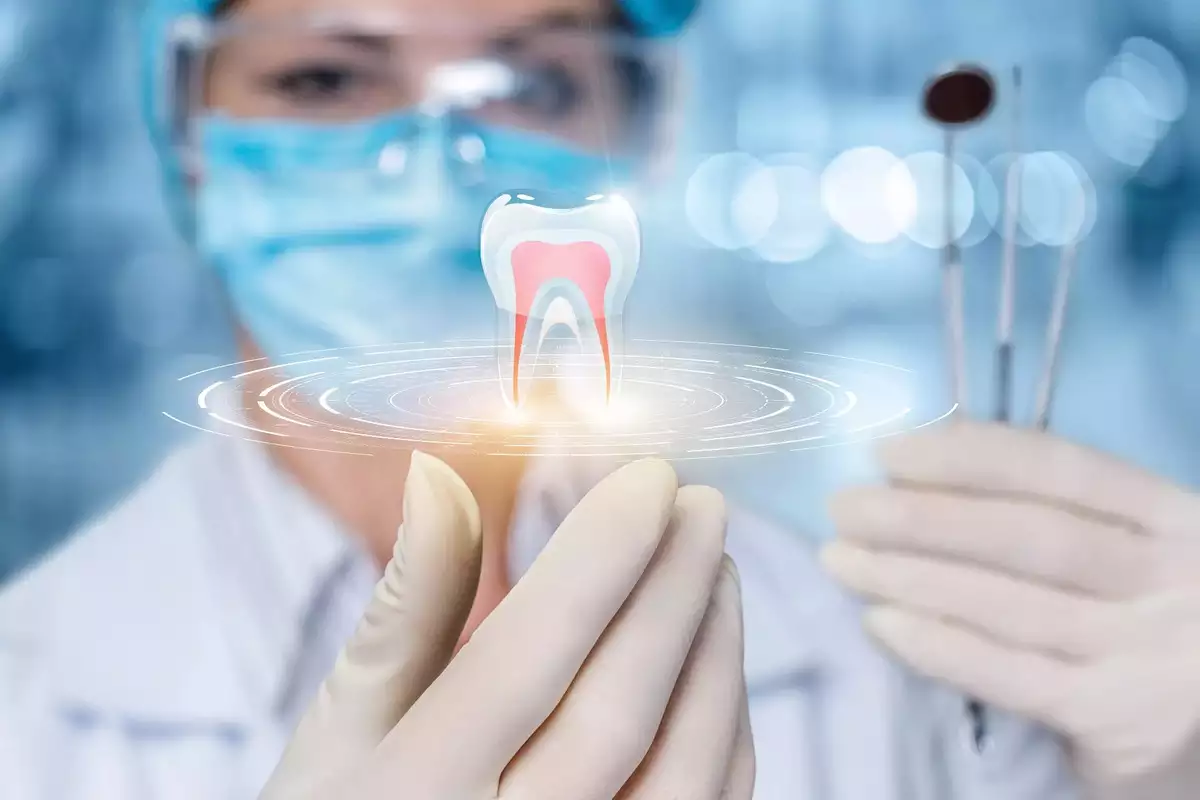
Dental care changes fast. You feel it every time you sit in the chair. Tools look different. Visits move more quickly. Questions grow more complex. Technology now shapes almost every step of your routine visit, from check-in to follow-up. You deserve to know what is happening and why it matters to your health.
Across the country, general practices now update old habits and old tools. They adjust how they examine teeth. They change how they share results. They rethink how they protect your data. A Dentist in Arlington Heights, IL faces the same pressure as large city clinics and small town offices.
This blog explains six clear ways general dentists now use new tools to serve you. It shows what you can expect at your next visit. It helps you ask sharper questions. It also helps you feel less unsure when you see new screens and devices.
1. Digital X rays and 3D imaging
Many offices now use digital X-rays instead of film. This change affects what you see and how you feel during a visit.
- You wait less for images.
- You see clearer pictures on a screen.
- You face lower radiation than with older methods.
Some practices also use 3D cone beam scans for complex cases. You may see this if you need implants or if your dentist checks your jaw joints. The pictures look sharp and real. They help your dentist plan care with more control.
2. Intraoral cameras that let you see what your dentist sees
Intraoral cameras are small cameras that fit in your mouth. They show close-up views of teeth and gums on a monitor.
This matters for three reasons.
- You see your own problem spots in real time.
- You understand why a filling, crown, or cleaning is needed.
- You can track changes over time with saved images.
This simple tool turns a quiet exam into a shared review. You no longer rely only on words. You see proof. That can calm fear and reduce doubt.
3. Digital records and secure patient portals
Paper charts fade. Digital records store your history in one place. Many practices now use secure systems that link notes, X-rays, photos, and treatment plans.
Often, you also get access to a patient portal. Through that portal you can:
- View visit notes.
- Check upcoming appointments.
- Send simple questions.
- Download bills or receipts.
These systems must protect your privacy. Dentists follow rules under the Health Insurance Portability and Accountability Act.
4. New tools for cleaning and cavity detection
Technology now changes how dentists find and treat early tooth decay. It also changes how they clean teeth.
Some offices use laser or light-based tools to spot weak spots before a full cavity forms. Others use devices that measure changes in tooth structure. These tools support the exam. They do not replace the mirror and probe. They add another layer of proof.
For cleanings, many hygienists now use ultrasonic scalers. These tools use quick vibrations and water spray to remove hard buildup. You may feel less scraping. You may also notice shorter cleaning times.
5. Same day crowns and digital impressions
Old crown visits often took two or more appointments. You needed a tray full of putty for impressions. You wore a temporary crown while a lab made the final one.
Some practices now use digital scanners and in-office milling units. Here is how the new process often compares to the old one.
| Step | Traditional crowns | Digital same day crowns |
|---|---|---|
| Impressions | Thick putty trays | Handheld digital scanner |
| Number of visits | Two or more | Usually one |
| Temporary crown | Worn for 1 to 3 weeks | Often not needed |
| Fit adjustments | May need extra shaping | Digital design for closer fit |
Digital impressions can also help with night guards and clear aligners. You avoid trays. You gain quick, clear images that your dentist can store and compare over time.
6. Text reminders, teledentistry, and smarter scheduling
Technology also changes how you connect with the office.
Many practices now use text or email reminders. You see quick prompts for upcoming visits. You can often confirm with one tap. This helps you keep regular cleanings. It also helps offices plan each day with less chaos.
Some dentists offer short teledentistry visits for certain concerns. These visits do not replace full exams. They can help with:
- Quick checks after a procedure.
- Review of symptoms to see if you need an urgent visit.
- Simple questions about home care or healing.
Scheduling software also improves. Staff can see open times, needed visit lengths, and special needs for each patient. This planning can reduce your wait in the lobby. It can also reduce rushed visits.
How you can use these changes to protect your health
Technology alone does not guarantee good care. Your choices still matter. You can use these changes in three simple ways.
- Ask what tools your dentist uses and why.
- Request to see your images and records during the visit.
- Use portals and reminders to keep regular checkups.
You do not need to know every technical term. You only need clear answers. When something feels confusing, say so. A strong practice will slow down, show you the screen, and explain each step in plain words.
Change in health care can feel cold or distant. Yet these tools can also bring you closer to your dentist. They create shared facts on a screen. They support early action. They give you more control over your mouth and your future health.