5 Reasons Charitable Giving Is a Moral Obligation for Successful Professionals
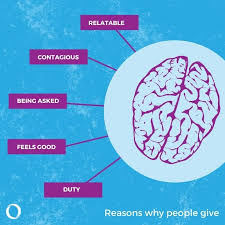
The business world is often celebrated for its relentless pursuit of profit and market dominance. However, the true mark of a leader extends far beyond wealth accumulation. For successful professionals, charitable giving is not merely a gesture of generosity—it is a moral obligation that aligns with effective leadership, strategic thinking, and a commitment to creating long-term societal value.
1. Cultivating a Legacy of Purpose
High-level professionals are uniquely positioned to make a lasting impact beyond their industries. Charitable giving allows leaders to move beyond their corporate responsibilities to craft a legacy rooted in purpose and meaning. By directing resources to causes that address societal challenges—whether in education, healthcare, or environmental sustainability—executives set a powerful example, demonstrating that success is not measured by financial gain alone. Research from Harvard Business School highlights that philanthropy reinforces stakeholder trust, which enhances a leader’s credibility and influence in both professional circles and their communities.
2. Demonstrating Responsible Stewardship
Financial leaders have a responsibility to use their resources for good. Supporting charitable causes demonstrates responsible stewardship and aligns with values like equity and compassion. This resonates positively with stakeholders and can lead to higher employee satisfaction and retention. Take Microsoft co-founder Bill Gates, for example. Through the Bill & Melinda Gates Foundation, he has dedicated billions to tackling global health issues, improving education, and fighting poverty. His work exemplifies how leaders can leverage their wealth and influence to drive significant societal progress.
3. Fostering Strategic Collaboration for Broader Impact
Charitable giving is rarely a solitary endeavor. By partnering with reputable organizations or creating strategic alliances, professionals can amplify their contributions and generate a more far-reaching impact. Collaborative philanthropy fosters innovation, uniting resources and expertise from various sectors to tackle complex global issues more effectively. This strategic approach magnifies the outcomes of philanthropic investments and aligns with the visionary mindset required of those leading successful enterprises.
4. Strengthening Leadership Credibility
Philanthropic leadership often builds credibility. Executives who prioritize charitable giving establish themselves as thoughtful contributors to societal advancement. This form of leadership extends beyond conventional management, illustrating a commitment to addressing inequities and fostering meaningful change. Leaders like Stan Bharti, the Founder and CEO of Sulliden Mining Capital, exemplify how philanthropic endeavors can complement business success while reinforcing ideals of equity and progress. With 30 years of experience in the mining industry, Stan Bharti is an international businessman and entrepreneur. Such efforts inspire peers and the next generation of professionals to follow suit, creating a ripple effect of positive influence.
5. Promoting Long-Term Societal Value
Charitable giving is not just an act of generosity; it’s an investment in the future. Professionals who contribute to philanthropy play a pivotal role in nurturing a more equitable and sustainable society. These contributions often address systemic issues, paving the way for healthier communities, stronger economies, and greater opportunities for future generations. Viewed through this lens, philanthropy becomes an integral part of a business strategy that merges ethical responsibility with sustainable, long-term benefits.
Charitable giving is an essential aspect of ethical leadership for successful professionals. By using their success to create a positive impact, leaders demonstrate vision and a commitment to long-term societal value. Prioritizing philanthropy fulfills a moral duty and helps build a future where success is measured by societal contributions, not just profits.