Why Personalized Weight Loss Plans Work Better Than One-Size-Fits-All Diets
Key Takeaways
- Personalized weight-loss plans offer higher success rates and improved adherence than generic diets.
- Tailoring diet and exercise to each individual’s unique needs leads to better long-term health outcomes.
- Professional guidance and regular monitoring are essential to a truly customized approach.
Table of Contents
- Understanding Personalized Weight Loss Plans
- The Limitations of Generic Diets
- The Science Behind Personalized Nutrition
- Key Components of Personalized Weight Loss Plans
- Benefits of Personalized Weight Loss Plans
- Implementing a Personalized Weight Loss Plan
- Final Thoughts
Understanding Personalized Weight Loss Plans
Starting a weight loss journey is rarely straightforward. Many people find themselves sifting through generic diets that promise results for everyone, only to be frustrated when the plan does not fit their life or body. At its core, a personalized weight-loss plan is designed with the individual in mind, considering factors such as age, gender, metabolism, medical history, and even personal food preferences.
Unlike generic diets, these personalized approaches are informed by scientific assessments and personal consultations. Providers such as Options Medical Weight Loss offer tailored plans that adapt to unique lifestyles and health requirements, helping people maintain motivation and see better results over time.
With individualized support, the process becomes less about following rigid restrictions and more about cultivating sustainable habits for lifelong well-being. This method not only acknowledges differences in body composition and metabolism but also addresses the emotional and psychological factors that play vital roles in a person’s weight-loss success.
In a world where everyone has different routines, stresses, and genetics, custom plans empower individuals to work with, rather than against, their unique circumstances. As a result, weight loss becomes a realistic and rewarding journey rather than a cycle of failed attempts and discouragement.
The Limitations of Generic Diets
Generic diets often rely on blanket recommendations that ignore critical differences between individuals. Diet plans like these may work temporarily for some, but they rarely deliver lasting change. For example, a popular study published in the New York Times highlights how people respond differently to the same foods, and what works for one person may not work for another.
Additionally, one-size-fits-all diets do not account for food allergies, activity preferences, cultural backgrounds, or underlying health concerns. Without this personal touch, it is easy to understand why many people give up and regain lost weight after just a few weeks or months.
The Science Behind Personalized Nutrition
Scientific research consistently demonstrates that personalization leads to better outcomes in weight management. A study by the Commonwealth Scientific and Industrial Research Organisation (CSIRO) found that those on personalized meal plans experienced significantly greater weight loss than those following more general strategies. Tailored plans resulted in an average of 6.4 kilograms lost over twelve weeks, which was 24 percent more than those not using personalized guidance.
Key Components of Personalized Weight Loss Plans
- Comprehensive Assessment: Each journey begins with a holistic review of your medical history, metabolism, and current lifestyle.
- Customized Meal Plans: Meals are tailored to nutritional needs and personal food preferences, making them easier and more enjoyable to follow.
- Behavioral Support: Counseling and coaching address the psychological side of eating and help form lasting habits.
- Regular Monitoring: Ongoing tracking and plan adjustments ensure continuous progress and faster troubleshooting of obstacles.
Benefits of Personalized Weight Loss Plans
- Higher Success Rates: Customized plans are proven to yield greater, lasting weight loss because they match each individual’s real needs.
- Improved Adherence: Personalized diet and exercise recommendations make sticking with the program more manageable, thanks to an approach that fits each person’s reality and preferences.
- Better Health Outcomes: By addressing specific medical history or health concerns, these plans can lead to improved overall well-being, reduced risk of chronic disease, and healthier living.
Implementing a Personalized Weight Loss Plan
- Consult a Professional: Begin by consulting a registered dietitian or certified provider who can evaluate your unique characteristics and needs.
- Set Realistic Goals: Identify goals that are both measurable and achievable to maintain long-term motivation.
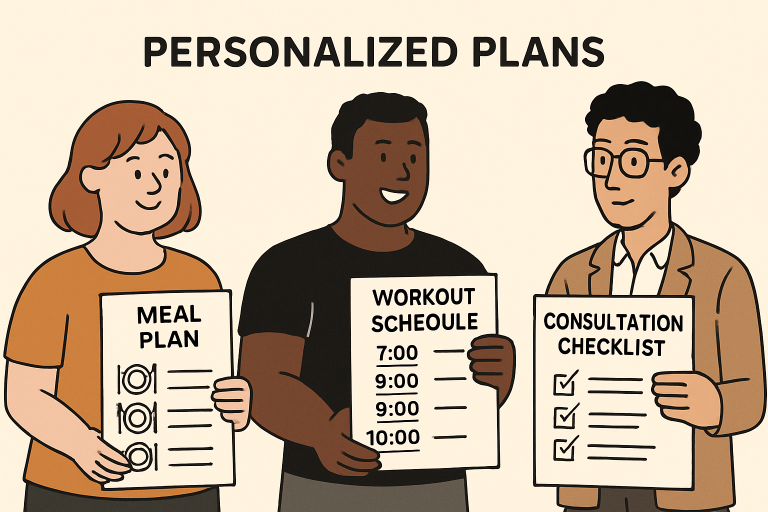
- Develop a Tailored Plan: Collaborate with professionals to establish a practical plan covering meals, activities, and behavioral strategies.
- Monitor Progress: Regularly assess your progress with professional guidance and adjust your approach as needed to continue improving.
Final Thoughts
Personalized weight-loss plans provide a pathway to better results and healthier lives by focusing on the distinct needs of each individual. Unlike generic diets, these tailored strategies increase the likelihood of success, build sustainable habits, and empower people to reach their goals with confidence. With informed professional guidance and routine monitoring, individuals can finally find a lasting solution that works for their bodies and lifestyles.