Why Contractors Love Mineral Wool for Modern Buildings
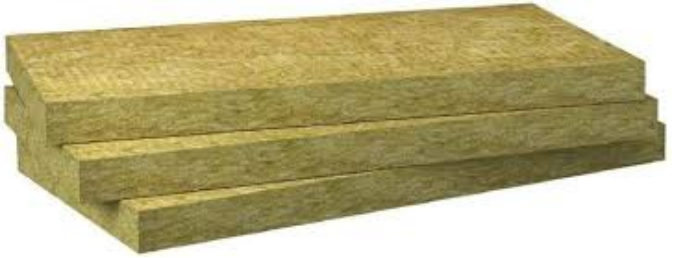
Insulation decisions used to be pretty straightforward. Builders went with fiberglass – it was cheap, and they knew it. But times have changed. Energy codes are way tighter, fire safety means more, and property owners want materials that’ll outlast the first tenant.
That’s why its no surprise that searches for Rockwool Insulation USA have really taken off. Mineral wool is no longer some specialty product – its now a standard option for plugging residential and commercial construction across the country. Contractors are now choosing materials not just for R-value – but also for durability, moisture resistance, and how its going to perform over the long haul.
This article will explain why mineral wool insulation is getting so much traction and where it fits into real world projects.
Fire Resistance Is Top of the List for Builders Swapping
The main difference between mineral wool and fiberglass is how it reacts to heat.
Mineral wool is made from spun stone fibres – because of that composition, it simply will not burn. It can withstand temps of over 2000 degrees without melting or releasing toxic smoke. This makes it a godsend in multi-family housing, mixed-use buildings, and renovation work where fire separation between units is a must.
No wonder contractors commonly start their purchasing research by searching Rockwool Insulation Suppliers near me – fire rated assemblies often call for approved insulation materials and mineral wool helps tick those building code boxes without adding all sorts of extra complications to the wall assembly.
Thermal Performance That Just Keeps On Keeping On
Lots of insulation materials lose effectiveness over time – compression, moisture and settling all take their toll. But mineral wool avoids those problems because it is dense and rigid.
Rockwool Batt Insulation holds its shape inside framing cavities. Its not like it will slump inside walls or expand and contract with temperature changes – so it keeps the R-value you designed consistent for years not months.
Builders like the way it installs too. The batts will stay in place without staples, which reduces errors and speeds up jobsite work.
Moisture and Mold Protection are Key
Moisture is often the silent assassin that takes down insulation. When wet insulation loses thermal performance – you can also get mold growing inside walls.
Mineral wool fibres wont absorb water – it just drains away and the insulation keeps on performing. This makes Rockwool Comfortbatt Insulation the go-to for basements, exterior walls and high humidity environments.
For restoration contractors & property managers that characteristic alone is often enough to justify switching from fiberglass.
Sound Proofing in Multi-Family Buildings
Noise complaints are one of the most common tenant gripes. Builders solve this with mass and density.
Mineral wool gives you far better sound absorption than lightweight insulation. When installed inside interior wall cavities and floor systems it reduces airborne sound transfer a lot. Apartments, duplexes and townhomes get the most benefit from this.
Many architects now just spec mineral wool in party walls as a standard acoustic solution – which helps explain why demand for Rockwool Insulation products continues to go up and up.
Sustainability and Long-Term Value
Building owners increasingly care about lifecycle cost, not just purchase price. Mineral wool supports that goal.
It is manufactured using natural stone and recycled material. It does not degrade quickly and rarely needs replacement. Because of its durability, owners avoid future renovation costs tied to insulation failure.
Contractors who understand this advantage often work closely with rockwool insulation suppliers to secure reliable inventory for ongoing projects.
Conclusion
Mineral wool is not just another insulation choice. It solves multiple building problems at once. Fire safety, sound control, moisture resistance, and energy efficiency all come from a single product.
For projects requiring dependable performance, rockwool batt insulation and rockwool comfortbatt insulation provide a practical long term solution that modern construction increasingly relies on.