What is Cloud Computing Architecture? Benefits and Components
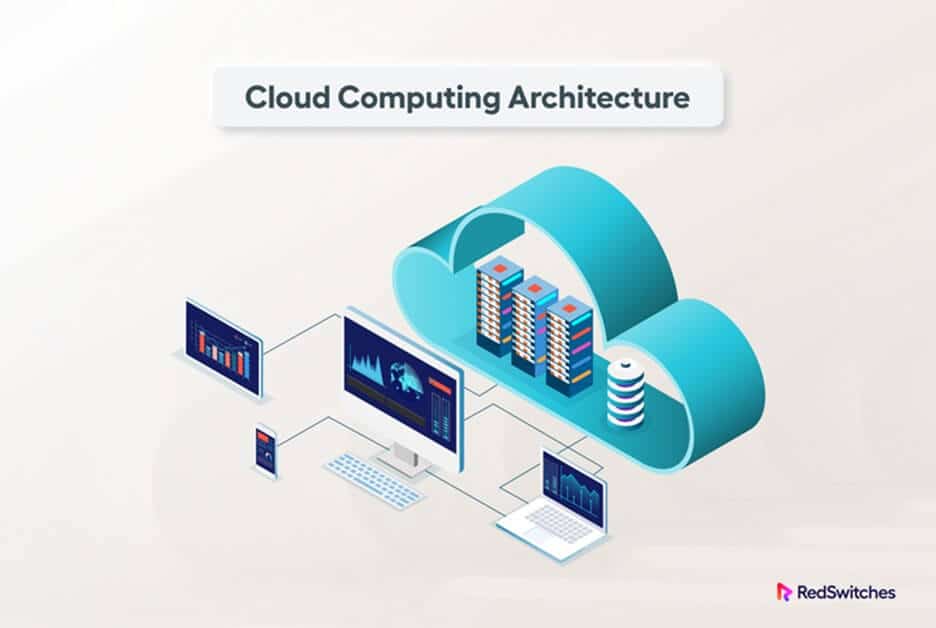
Cloud Computing, a technology in high demand in the current scenario, has proven to be a revolutionary trend for businesses of all sizes. It effectively manages a comprehensive and intricate infrastructure to deliver cloud services and resources to customers. The cloud architecture encompasses essential hardware and software components such as servers, storage, networking, management software, deployment software, and virtualization software. At the backend, the cloud infrastructure enables the seamless operation of the entire cloud computing system. Consult with IT Consulting Los Angeles experts to improve your cloud computing architecture.
In this article, we will explore the benefits and components of cloud computing architecture.
What is Cloud Computing Architecture?
Cloud computing architecture refers to the structure and design of a cloud computing system. It encompasses the various components and layers that make up the system and the way they are interconnected and interact with each other. Cloud computing architecture is focused on delivering scalable, on-demand computing resources over the internet.
This includes virtual servers, storage, databases, software applications, and other services. The architecture typically consists of front-end interfaces, backend infrastructure, data centers, networking components, and security measures. Organizations can effectively design and deploy their cloud-based solutions to meet their specific needs and requirements by understanding cloud computing architecture.
Benefits of Cloud Computing Architecture
- Improved Security Measures
Cloud computing architecture provides enhanced security measures as compared to the traditional on-premises systems. The latter rely on physical security measures like locks and alarms to protect sensitive data, whereas cloud computing offers a wide range of advanced security features that can help prevent unauthorized access and potential breaches.
These include built-in encryption, multi-factor authentication, and regular system updates to patch vulnerabilities. Cloud service providers also have dedicated teams of cybersecurity experts who monitor and respond to threats in real-time, providing additional protection for businesses. By leveraging these enhanced security measures, organizations can have greater peace of mind knowing their data is well-protected in the cloud.
- Scalability and Flexibility
Cloud computing architecture offers significant advantages in terms of scalability and flexibility. Unlike traditional on-premises infrastructure, companies often face limitations when scaling their resources up or down according to demand. However, with cloud computing, it is easy to scale resources in real-time, providing businesses with the ability to meet changing demands and optimize resource allocation.
In addition, cloud computing offers flexibility in accessing resources from anywhere with an internet connection. This enables businesses to embrace remote work arrangements and allows employees to access critical systems and data from any location.
- Enhance Your Data Processing
Cloud computing architecture offers a significant advantage in terms of improving data processing capabilities. With cloud computing, businesses can utilize the potential of remote servers and advanced algorithms to process and analyze vast amounts of data quickly and efficiently. It leads to faster decision-making, better business intelligence, and increased productivity.
Moreover, the scalability of cloud computing architecture means that businesses can easily adjust their computing resources to match their data processing needs, ensuring optimal performance at all times. By harnessing the power of cloud computing, companies can gain a competitive edge in today’s data-driven world.
- Enhanced Collaboration and Accessibility
One of the key benefits of cloud computing architecture is the enhanced collaboration and accessibility it provides. With cloud computing, multiple users can access and work on documents and files simultaneously, regardless of location. This promotes seamless cooperation among team members, allowing them to easily share ideas, edit, and track changes in real time.
Further, cloud computing allows easy access to files and applications from any device with an internet connection, making it convenient for remote workers or individuals on the go. By enabling enhanced collaboration and accessibility, cloud computing architecture enhances productivity and efficiency within organizations.
4 Components of Cloud Computing Architecture
- Client Infrastructure
The client infrastructure is an integral component of cloud computing architecture. It refers to the hardware and software that enables end-users to access and interact with cloud services. This includes devices such as computers, laptops, smartphones, and tablets, as well as the operating systems and web browsers that run on these devices.
Further, client infrastructure includes the necessary networking components, such as routers and switches, that enable communication between the end-user devices and the cloud service provider’s data centers. The client infrastructure ensures a seamless and secure user experience when utilizing cloud services.
- Networking
Networking is a crucial component of cloud computing architecture. It involves the infrastructure and technologies that enable communication and data transfer between different cloud components, such as servers, storage devices, and end-user devices. In a cloud environment, networking ensures seamless connectivity and efficient data flow.
It includes routers, switches, firewalls, load balancers, and virtual private networks (VPNs) to establish secure connections and manage network traffic. Additionally, networking encompasses protocols and standards that facilitate interoperability and enable integrating various cloud services and applications.
- Runtime Cloud
The runtime cloud is an essential component of cloud computing architecture. It refers to the environment where applications and services run on virtual machines. This component provides the necessary resources for executing software, including processing power, memory, and storage.
The runtime cloud also includes the necessary infrastructure for scalability and availability, allowing applications to handle varying workloads and ensuring continuous operation. Organizations can efficiently deploy and manage their applications flexibly and cost-effectively by utilizing the runtime cloud.
- Management
Management is a crucial component of cloud computing architecture. It involves the administration and control of resources, applications, and services within the cloud environment. The management layer facilitates tasks such as provisioning and de-provisioning resources, monitoring and performance optimization, security management, billing, and usage tracking.
With effective management, organizations can ensure that their cloud infrastructure is efficiently utilized and meets the needs of their users. Also, proper management allows for scalability and flexibility, enabling businesses to quickly adapt to changing demands and optimize their cloud resources cost-effectively.
In Conclusion
Cloud computing architecture represents the framework underpinning the modern digital landscape, offering various benefits and encompassing various components that power its functionality. Its flexible, scalable, and cost-effective nature revolutionizes how businesses operate, allowing for streamlined processes, enhanced collaboration, and accessibility to advanced technologies. As organizations continue to harness the potential of cloud architecture, it remains a cornerstone in driving efficiency, innovation, and competitiveness in today’s rapidly evolving digital world. To get more insights on cloud computing, visit IT Support San Diego experts.