Understanding the Value of Routine Vehicle Maintenance
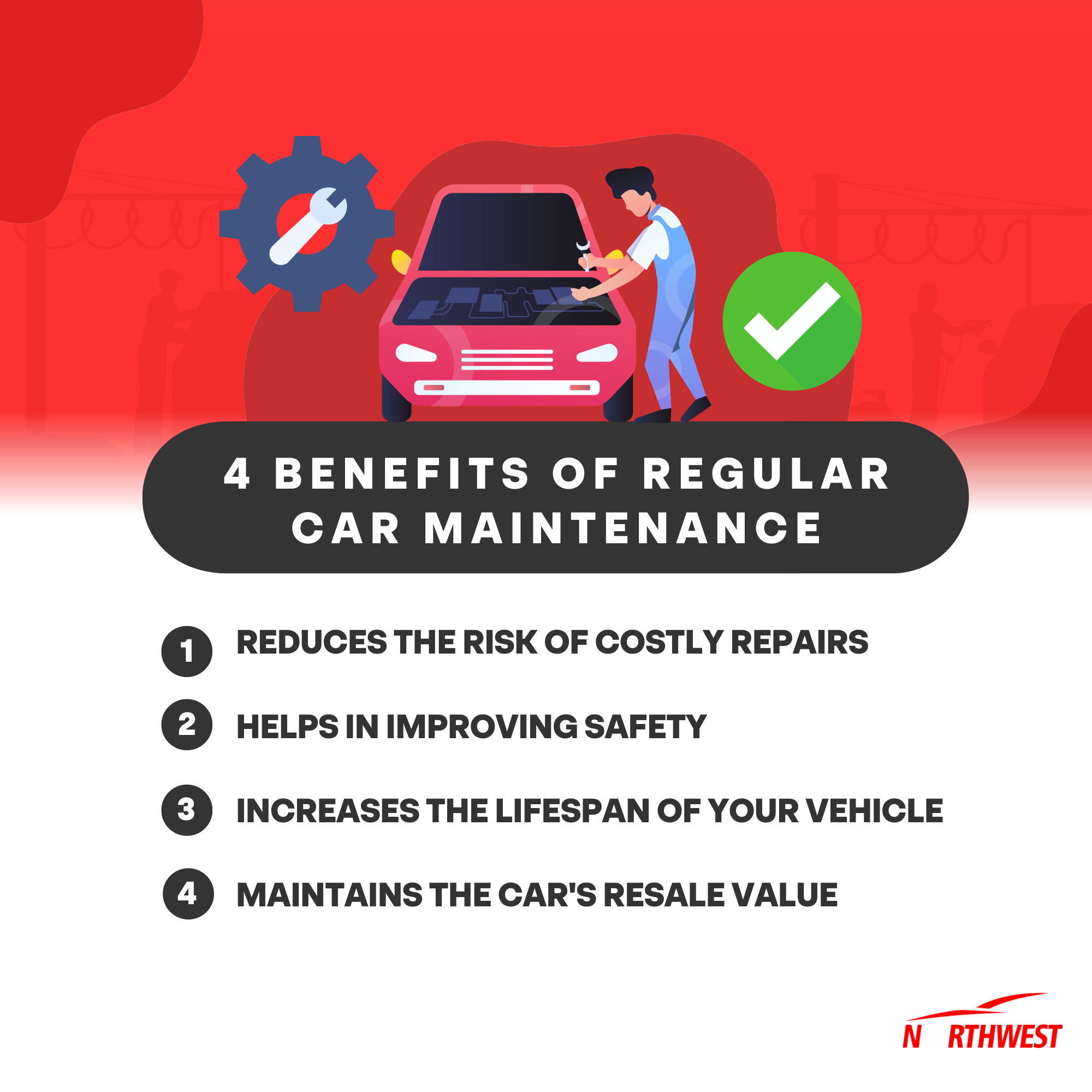
Table of Contents
- Enhancing Safety Through Regular Maintenance
- Boosting Fuel Efficiency and Reducing Emissions
- Extending Vehicle Lifespan
- Preventing Costly Repairs
- Maintaining Resale Value
- Compliance with Regulations
- Creating a Maintenance Schedule
- Conclusion
Keeping your vehicle in top-notch condition is about more than avoiding sudden breakdowns or surprise visits to the mechanic. Investing a small amount of time and money in routine vehicle maintenance ensures you and your passengers stay safe on the road, while your car runs smoothly and efficiently. Learn more about best practices and dealer-recommended service routines to make informed decisions for your vehicle’s longevity and performance.
Regular upkeep not only protects the structural and functional integrity of your car but can also save you money over the long run. Taking proactive steps to service your vehicle means fewer expensive emergency repairs and a higher resale value down the line. In this guide, you’ll discover why sticking to a maintenance schedule isn’t just advisable, but essential for all car owners.
Enhancing Safety Through Regular Maintenance
Vehicle safety begins with regular inspections and timely service for vital systems such as brakes, tires, lights, and steering. Mechanical failures caused by neglected maintenance can lead to dangerous situations that jeopardize the well-being of drivers and others sharing the road. For example, studies highlight that properly maintained brakes significantly reduce stopping distances, directly decreasing accident risk. According to the National Highway Traffic Safety Administration, routine safety checks are among the most effective measures drivers can take to prevent accidents caused by equipment failure.
Boosting Fuel Efficiency and Reducing Emissions
Proper vehicle maintenance is also critical for achieving optimal fuel efficiency and minimizing environmental impact. Simple tasks such as changing dirty air filters or keeping tires properly inflated help engines run smoothly and use fuel more efficiently. The U.S. Department of Energy notes that regular maintenance can improve fuel economy by up to 15 percent, translating into significant savings at the pump and reduced emissions over your vehicle’s lifetime. Keeping up with tune-ups and oil changes is an easy way to decrease your car’s carbon footprint and do your part in reducing air pollution.
Extending Vehicle Lifespan
Consistent attention to oil changes, fluid levels, and prompt replacement of worn parts pays off in a big way for vehicle longevity. By maintaining fluid cleanliness and ensuring components are in good working order, you significantly reduce the chances of engine or transmission failures. Routine care keeps your car’s core systems operating optimally for years, extending the useful life of your investment. Think of maintenance as insurance; spending moderately now helps prevent major future replacements and keeps your trusted vehicle on the road much longer.
Preventing Costly Repairs
Addressing small problems early keeps them from spiraling into budget-busting crises. For example, replacing a worn serpentine belt or topping off fluids can prevent major issues like engine overheating or alternator failure. These seemingly minor adjustments can save thousands of dollars by preventing catastrophic failures that often occur without warning when maintenance is neglected. Mechanics routinely catch these early warning signs during regular service visits, allowing you to fix affordable issues and avoid costly repairs down the line.
Maintaining Resale Value
Should you choose to sell or trade in your existing vehicle, buyers (and dealerships) heavily favor cars with a complete service history. Well-maintained vehicles hold their value better than those with spotty or nonexistent records, regardless of their mileage. A smooth test drive, free of odd noises, responsive handling, and up-to-date inspections, reflects conscientious ownership and often fetches a higher resale price. Dealerships, like those offering certified pre-owned vehicles, routinely point to a full maintenance log as a major selling point.
Compliance with Regulations
Staying compliant with local, state, and federal vehicle regulations often hinges on regular maintenance. Emission checks, safety inspections, and other state-mandated assessments require that your vehicle’s parts and systems function within a certain standard. Failing these checks can result in fines, penalties, or even suspension of your registration. To avoid these hassles, adhere to scheduled maintenance and stay up to date on relevant updates to emission and safety regulations.
Creating a Maintenance Schedule
Building an effective maintenance routine starts with your vehicle’s owner’s manual. It provides manufacturer-recommended timeframes for services such as oil changes, tire rotations, brake inspections, and fluid replacements. Customizing a calendar, digital or paper, helps you track upcoming needs and avoid missing critical services. Financial experts suggest setting aside a car care fund of $1,200–$2,000 annually to cover routine maintenance and occasional repairs, especially as vehicles age or accumulate higher mileage. By planning ahead, you ensure upkeep never becomes a financial burden.
Conclusion
Proper vehicle maintenance might require discipline, but the long-term benefits are undeniable: enhanced safety, lower operational costs, improved efficiency, extended lifespan, and higher resale value. A habit of preventative maintenance establishes confidence in your car’s reliability and your own peace of mind behind the wheel. Following a schedule is a small investment that ensures your vehicle continues to deliver road-ready performance for years to come.