Understanding the Thai Currency Exchange Rate: A Practical and In-Depth Guide
Introduction
Currency exchange plays a crucial role in global travel, international trade, and cross-border investments. For anyone dealing with Thailand—whether as a tourist, freelancer, importer, or digital entrepreneur understanding how the Thai baht behaves against other currencies is essential. Exchange rates are not just random numbers; they reflect economic stability, global market trends, and government policies.
When people search for the thai currency exchange rate, they are usually looking for accurate information about how much their money is worth in Thailand and what affects those values. However, the concept goes deeper than just checking today’s rate. It involves understanding how exchange rates are formed, why they fluctuate, and how individuals can minimize losses during conversion.
In this article, we will explore the Thai baht, the mechanics of exchange rates, influencing factors, and practical tips for managing currency efficiently.
What Is the Thai Baht?
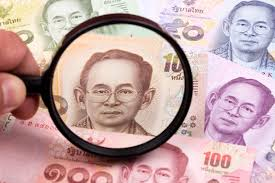
The official currency of Thailand is the Thai baht, abbreviated as THB and symbolized by ฿. It is issued and regulated by the Bank of Thailand, which acts as the country’s central bank. The baht is subdivided into 100 satang, although satang coins are rarely used in daily transactions today.
The Thai baht is considered a relatively stable currency in Southeast Asia. It is actively traded in international markets and commonly exchanged against major currencies such as the US dollar (USD), Euro (EUR), British pound (GBP), and Japanese yen (JPY).
Key features of the Thai baht include:
- Strong government oversight by the Bank of Thailand
- High liquidity in Asian currency markets
- Stability compared to many emerging market currencies
- Frequent use in tourism and trade sectors
How Currency Exchange Rates Work
An exchange rate represents the value of one currency compared to another. For example, if 1 USD equals 35 THB, it means you need 35 Thai baht to buy one US dollar.
Exchange rates are influenced by supply and demand in the foreign exchange (forex) market. When more people want to buy Thai baht, its value rises. When demand decreases, its value falls.
There are two main types of exchange rates:
1. Fixed Exchange Rate
A fixed rate is controlled by a government or central bank. Thailand does not use a fixed system.
2. Floating Exchange Rate
Thailand uses a managed floating system, where market forces determine the rate, but the central bank may intervene to prevent extreme volatility.
Key Factors That Influence the Thai Currency Exchange Rate
Several economic and political factors impact the value of the Thai baht. Understanding these can help individuals and businesses make better financial decisions.
Economic Growth
When Thailand’s economy performs well, foreign investors gain confidence. This increases demand for the baht and strengthens its value.
Inflation Rates
Low inflation usually strengthens a currency. If Thailand has lower inflation than other countries, the baht becomes more attractive.
Interest Rates
Higher interest rates in Thailand attract foreign capital, which increases demand for the baht.
Tourism Industry
Thailand is heavily dependent on tourism. A strong tourism season brings foreign currency into the country, boosting demand for the baht.
Political Stability
Political uncertainty or unrest can weaken the baht as investors shift funds to safer currencies.
Global Market Conditions
Events like global recessions, pandemics, or financial crises can impact all currencies, including the Thai baht.
Why Exchange Rates Matter for Travelers
For tourists, the exchange rate directly affects travel costs. A strong baht means Thailand becomes more expensive, while a weaker baht makes it more affordable.
Exchange rates influence:
- Hotel prices
- Food and transportation costs
- Shopping budgets
- Tour and activity expenses
Even small changes in the exchange rate can significantly affect long-term travelers or digital nomads who rely on foreign income.
Exchange Rates and International Business
For businesses involved in imports, exports, or remote services, currency exchange rates can directly impact profitability.
A stronger baht means:
- Imports become cheaper
- Exports become more expensive for foreign buyers
A weaker baht means:
- Exports become more competitive
- Imports cost more
Companies must often manage currency risks using financial tools like forward contracts, hedging strategies, and multi-currency accounts.
Understanding Buy vs Sell Rates
When exchanging money, you will notice two rates:
- Buy Rate: The rate at which a provider buys foreign currency from you.
- Sell Rate: The rate at which they sell foreign currency to you.
The difference between these two is known as the spread. This is how exchange services make a profit.
Always compare both rates before exchanging, as a small difference in spread can lead to noticeable losses.
Common Mistakes People Make with Currency Exchange
Many people lose money simply because they do not understand how exchange works. Some common mistakes include:
- Exchanging money at airports without checking alternatives
- Ignoring service fees and commissions
- Relying only on bank card conversions without tracking rates
- Not monitoring rate trends before large exchanges
Avoiding these mistakes can save significant amounts, especially for frequent travelers or online workers.
Practical Tips for Managing Currency Exchange
Here are some practical strategies to handle currency exchange more efficiently:
- Monitor exchange rates regularly before traveling
- Avoid exchanging large amounts at once during volatile periods
- Use reputable and regulated exchange providers
- Compare rates between banks, digital platforms, and physical services
- Keep emergency funds in multiple currencies
These small habits can improve financial outcomes and reduce unnecessary losses.
Digital Tools for Tracking Exchange Rates
Technology has made currency tracking easier than ever. Several tools allow real-time monitoring and alerts.
Useful features in currency tools include:
- Live exchange rate charts
- Historical trend analysis
- Rate change alerts
- Multi-currency calculators
These tools help users make informed decisions instead of relying on guesswork.
The Role of the Bank of Thailand
The Bank of Thailand plays a central role in maintaining financial stability. It monitors inflation, controls interest rates, and intervenes in the forex market when needed.
Its main objectives include:
- Maintaining price stability
- Supporting economic growth
- Managing foreign reserves
- Preventing excessive currency volatility
While the baht floats in the market, central bank policies strongly influence its long-term direction.
Long-Term Trends of the Thai Baht
Over the past two decades, the Thai baht has shown relative strength compared to many regional currencies. It has benefited from:
- Strong export sectors
- Growing tourism
- Stable financial systems
- High foreign investment
However, like all currencies, it remains vulnerable to global economic shifts and geopolitical developments.
Currency Exchange and Inflation Risk
Inflation reduces purchasing power. Even if exchange rates remain stable, rising domestic prices in Thailand can make goods and services more expensive for foreigners.
This is why exchange rates should always be evaluated alongside:
- Local inflation trends
- Cost of living indexes
- Wage growth and economic output
A strong currency does not always mean better value.
Conclusion
Understanding currency exchange is not just about numbers on a screen—it is about economic awareness, financial planning, and smart decision-making. Whether you are traveling, working remotely, or managing international transactions, knowing how exchange rates work can help you avoid losses and make better financial choices.
Keeping track of the thai currency exchange rate allows individuals and businesses to stay informed about market movements, manage risks, and plan budgets effectively. With the right knowledge and tools, currency exchange becomes a manageable part of financial strategy rather than a source of confusion or loss.
FAQs
1. What determines the Thai currency exchange rate?
The Thai currency exchange rate is determined by supply and demand in global markets, influenced by economic growth, inflation, interest rates, tourism, and political stability. Central bank policies and global financial trends also play a significant role in shaping its value.
2. Is the Thai baht a stable currency?
Yes, the Thai baht is considered relatively stable compared to many emerging market currencies. It benefits from strong tourism, foreign investment, and sound financial regulations, although it still fluctuates due to global economic conditions.
3. Why do exchange rates differ between providers?
Different providers apply different spreads, service fees, and operating costs. This results in varying buy and sell rates. Comparing multiple sources helps users get better value and avoid unnecessary losses during currency exchange.
4. How often do exchange rates change?
Exchange rates can change every second in global forex markets. Factors like economic news, political events, and investor behavior cause constant fluctuations, making real-time monitoring essential for accurate conversions.
5. Can individuals predict future exchange rates?
While trends and economic indicators can provide insights, exact exchange rate predictions are not possible. Currency markets are influenced by unpredictable global events, making forecasts uncertain even for financial experts.