Understanding Home Valuation as the Cornerstone of Smart Investments
:max_bytes(150000):strip_icc()/home_equity__rental_gowth_shutterstock_582996238-5bfc3330c9e77c005145595b.jpg)
For investors, knowledge is power—and when it comes to real estate, understanding home valuations is one of the most critical pieces of the puzzle. Whether you’re flipping houses, building a rental portfolio, or investing in a long-term property, knowing a home’s true value allows you to make informed decisions and maximize returns. Here’s why home valuation is the bedrock of successful real estate investments and how to use it effectively.
Home Valuations: Your Investment Blueprint
Home valuations aren’t just about numbers; they’re about context. A reliable valuation provides a snapshot of a property’s current market worth while reflecting key factors like location, condition, and market demand. For investors, this information serves as a foundation for crafting a sound investment strategy.
If you’re considering purchasing a property, understanding its valuation helps you to gauge its potential profitability. A low-priced property may seem appealing, but without a thorough valuation, it’s impossible to determine whether its price reflects genuine market potential or hidden issues that could reduce its profitability.
Identifying Undervalued Opportunities
For savvy investors, one of the greatest benefits of accurate home valuations is spotting undervalued properties. These are often properties in areas poised for growth or with features that can be upgraded to enhance their value.
For example, a home located in an up-and-coming neighborhood may appear average on the surface, but a valuation combined with research into local trends—like new infrastructure or business developments—can reveal significant growth potential. Such properties can yield high returns when the area becomes more desirable.
Mitigating Investment Risks
Risk is inherent in real estate investments, but understanding home valuations will help to minimize it. An accurate valuation helps you to avoid overpaying for a property, a common mistake among investors caught up in bidding wars or misjudging a market. It also ensures that you set realistic expectations for the property’s future performance, whether through appreciation or rental income. Reliable resources for trusted house valuations offer the clarity needed to reduce these risks and proceed confidently with your investments.
Maximizing Property Potential
A home’s valuation isn’t static—it evolves based on changes to the property and its surroundings. Investors can use this to their advantage by identifying areas where strategic improvements will have the most impact.
Upgrading kitchens, enhancing curb appeal, or adding energy-efficient features can all significantly increase a property’s market value. By comparing the cost of these upgrades to the potential increase in valuation, investors can make data-driven decisions about where to allocate their budget for maximum ROI.
Tracking Market Trends
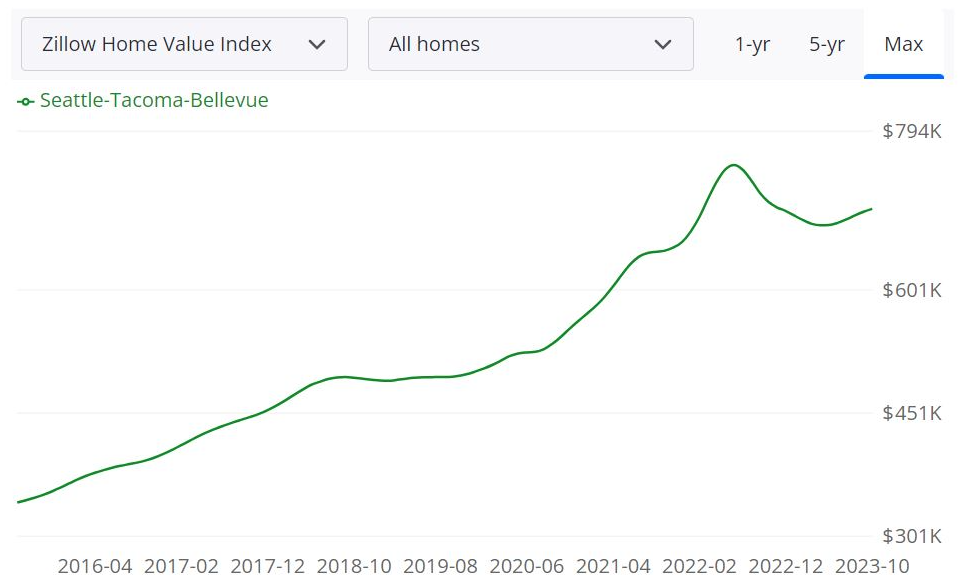
Valuations also serve as a key indicator of broader market trends, allowing investors to identify opportunities and avoid potential pitfalls. Regularly assessing the value of properties in your portfolio provides insight into shifts in demand, pricing, and buyer preferences.
For example, if valuations in a particular region are rising faster than the national average, it may signal a growth market worth exploring further. Conversely, stagnating or declining values could be a red flag, indicating that it’s time to reconsider investments in that area.
Leveraging Valuations for Financing
Financing is often the backbone of real estate investments, and valuations play a vital role in securing the best terms. Lenders rely on accurate valuations to determine how much they’re willing to loan and at what interest rate.
For investors, this means that properties with higher valuations and equity levels are more likely to secure favorable financing. Whether you’re refinancing to fund additional purchases or securing a loan to improve an existing property, knowing a property’s valuation will ensure that you’re positioned to negotiate effectively.
Building a Smarter Investment Portfolio
Home valuation is more than a starting point—it’s a continuous tool for guiding your investment journey. It empowers you to identify opportunities, reduce risks, and make strategic choices that enhance your portfolio’s profitability.
By staying informed and leveraging resources, you can make sure your real estate investments are built on a solid foundation of knowledge. For investors, understanding home valuations isn’t just important—it’s essential. It’s the cornerstone of making smart, sustainable, and profitable real estate decisions.