Top Signs Your Pavement Needs Professional Attention
Post Preview
Table of Contents
- Cracks and Surface Lines
- Potholes
- Pooling Water
- Faded Color
- Uneven or Crumbling Edges
- Discoloration
- Sunken Areas
- Failing Parking Lot Striping
- Why Timely Pavement Repair Matters
- Final Thoughts
Property owners know that a well-maintained pavement not only boosts curb appeal but also ensures safety and reduces long-term expenses. Whether you manage a business lot or a residential driveway, being aware of the warning signs of pavement deterioration can help you act before minor issues escalate. By working with an experienced paving contractor St. Louis, you can keep your asphalt in top condition, extend its lifespan, and avoid costly repairs. It’s crucial to recognize that pavement problems are best addressed early—before they threaten your property’s structure or usability.
Preventing pavement damage is a proactive effort. Delayed action often means more extensive repairs and higher expenses down the road. Below, we outline the clear signs that your pavement requires professional care, helping you determine when to seek maintenance, repairs, or upgrades.
Cracks and Surface Lines
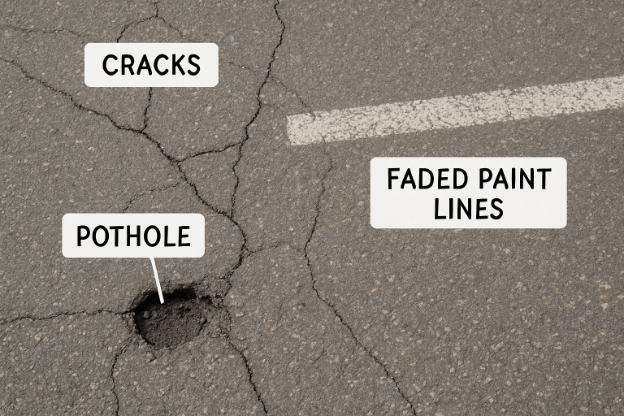
Cracks are among the most common signs that your pavement needs attention. Initially small, these fissures allow water to seep below the surface, undermining your pavement’s foundation over time. Left untreated, cracks can widen and multiply, making repairs more extensive and costly. Regular sealcoating and crack filling help prevent water infiltration and extend the life of your pavement. If you notice spiderweb-like lines or isolated cracks, it’s time to schedule an inspection.
Potholes
Potholes usually develop when moisture seeps into cracks and freezes, causing the surface to break apart. Besides being unsightly, potholes can pose serious safety risks to both vehicles and pedestrians. Even small potholes can damage tires and suspensions, and larger ones can become significant hazards. Professional repair services fill and stabilize these cavities, thereby reducing the risk of injury and the need for costly vehicle repairs.
Pooling Water
If you notice standing or pooling water after a rainstorm or snowmelt, your pavement is likely suffering from drainage problems or surface depressions. Prolonged exposure to moisture weakens the pavement structure, leading to further cracking and the formation of potholes. Immediate intervention can address the underlying cause—whether it’s a slope issue, blocked drains, or subsurface failures—restoring drainage and protecting your investment.
Faded Color
Has your once black asphalt turned gray or ashy? The fading color of pavement is due to UV ray exposure and oxidation, both of which break down the binding agents in asphalt over time. Not only does faded pavement look aged and neglected, but it’s also more vulnerable to cracking and further weather-related damage. A professional sealcoat restores that fresh, dark appearance and forms a protective barrier against further wear.
Uneven or Crumbling Edges
Erosion around pavement edges is a telltale sign that the structural integrity is breaking down. This often results from insufficient support or runoff issues at the pavement’s borders. Over time, crumbling edges can extend to the central pavement area, increasing the likelihood of accidents and necessitating bigger repairs. Early treatment stabilizes these edges and prevents catastrophic loss.
Discoloration
In addition to fading, discoloration from oil stains, chemicals, and biological growth can indicate more severe pavement issues. Discolored spots may indicate areas where the surface has worn thin, making it more susceptible to further deterioration. While surface cleaning can sometimes solve the problem, persistent discoloration often requires a professional assessment to check for underlying damage. The EPA provides resources on how contaminants can affect pavement quality.
Sunken Areas
Sunken spots or depressions commonly result from poor installation, ongoing water damage, or soil erosion beneath the pavement. These areas pose tripping hazards and can lead to deeper structural issues if left unresolved. Addressing sunken pavement typically involves removing the compromised section, restoring the base, and reapplying the surface—an operation best handled by seasoned professionals.
Failing Parking Lot Striping
Faded or missing parking lines, directional arrows, and crosswalks aren’t just cosmetic flaws—they affect traffic flow, parking organization, and accessibility. Well-defined striping ensures legal compliance and helps maximize the usability of your lot. When you notice these markings fading, it’s time to consider restriping and possibly refinishing your asphalt to improve safety and appearance.
Why Timely Pavement Repair Matters
Addressing these signs at their first appearance is crucial. Regular maintenance not only prevents minor issues from worsening but also greatly extends the lifespan of your investment. According to Family Handyman, investing in preventative measures saves property owners thousands of dollars over the pavement’s life, while ensuring optimal performance and curb appeal.
Final Thoughts
Pavement issues rarely resolve themselves, and even subtle warning signs can signal deeper problems beneath the surface. By staying attentive and addressing deterioration early, property owners can protect safety, preserve curb appeal, and significantly reduce long-term repair costs. Routine inspections and timely maintenance are far more cost-effective than major overhauls caused by neglect. Partnering with qualified professionals ensures problems are correctly diagnosed and repaired, helping your pavement remain durable, functional, and visually appealing for years to come.